CM Dhami's Char Dham Cleanliness Drive Visible in Chamoli
Synopsis
Chief Minister Pushkar Singh Dhami's drive to clean Char Dham Yatra routes is producing visible results in Chamoli district, with Gopeshwar Nagar Palika and other urban local bodies running sustained special sanitation campaigns during the 2026 pilgrimage season.
Key Takeaways
The Chief Minister's Office of Uttarakhand confirmed on 18 June 2026 that CM Dhami's Char Dham cleanliness campaign is visibly active in Chamoli district .
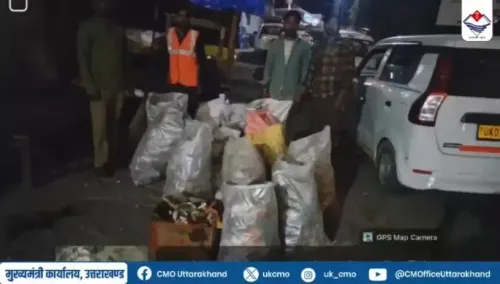
Gopeshwar Nagar Palika and multiple other urban local bodies in Chamoli are conducting continuous special sanitation drives.
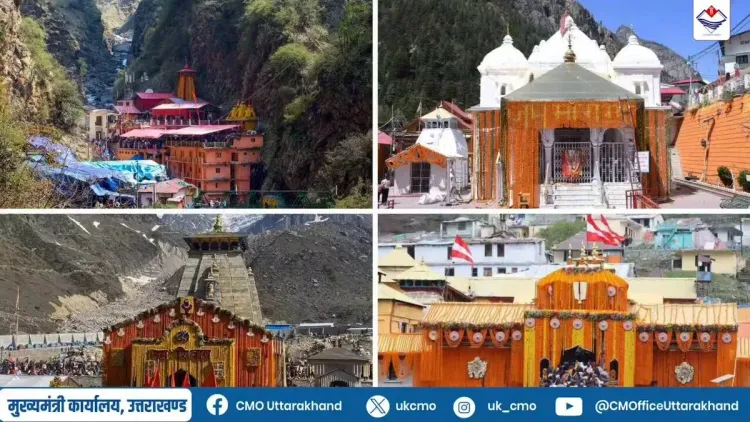
Chamoli covers key segments of the Badrinath pilgrimage route, one of the four Char Dham shrines.
The campaign builds on the national Swachh Bharat Mission framework, which Uttarakhand has integrated into pilgrimage-area planning since 2014 .
CM Dhami has prioritised tourism infrastructure and cleanliness along pilgrimage corridors since taking office in 2021 .
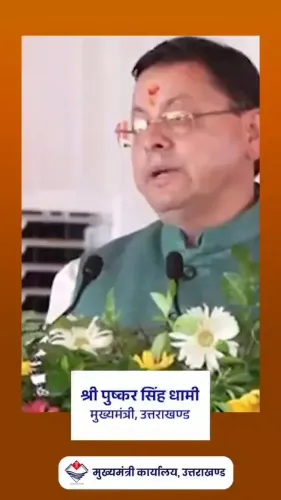
The Chief Minister's Office of Uttarakhand announced on Thursday, 18 June 2026, that Chief Minister Pushkar Singh Dhami's campaign to keep Char Dham Yatra routes clean is yielding visible results in Chamoli district, with urban local bodies including Gopeshwar Nagar Palika running continuous special cleanliness drives.
Context
The official post from the Chief Minister's Office states — 'चारधाम यात्रा मार्गों को स्वच्छ बनाने की मुख्यमंत्री श्री पुष्कर सिंह धामी की मुहिम चमोली में साफ़ दिखाई दे रही है' ('Chief Minister Pushkar Singh Dhami's campaign to make the Char Dham Yatra routes clean is clearly visible in Chamoli') — signalling that ground-level municipal action is now producing observable change. The post further notes that Gopeshwar Nagar Palika and other urban local bodies across the district are conducting sustained special sanitation campaigns.
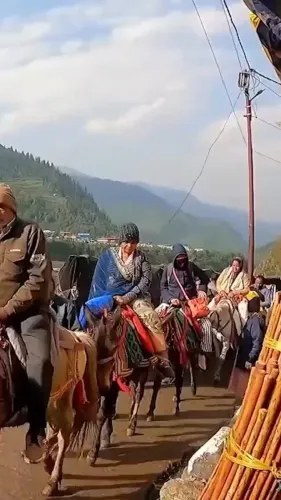
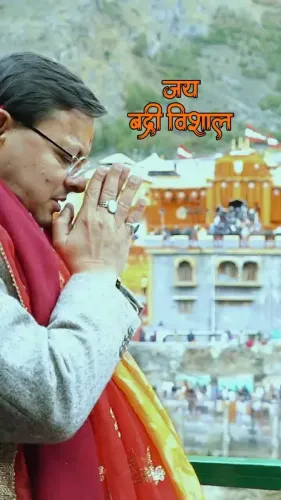
Chamoli is one of Uttarakhand's most critical pilgrimage districts, encompassing key stretches of the routes leading to Badrinath — one of the four sacred shrines of the Char Dham circuit. During the annual yatra season, the district receives a massive influx of pilgrims, placing acute pressure on its civic infrastructure.
Policy Backdrop
The cleanliness push is rooted in the national Swachh Bharat Mission, launched in 2014, which mandated urban local bodies across India to overhaul waste management and sanitation systems. Uttarakhand has consistently integrated this framework into its pilgrimage-area planning, recognising that the ecological fragility of Himalayan valleys demands more rigorous waste control than typical urban zones.
CM Dhami, who has been in office since 2021, has made tourism infrastructure and cleanliness along pilgrimage corridors a recurring administrative priority. Periodic high-court monitoring of pilgrimage-area sanitation has also kept civic bodies under scrutiny, reinforcing state-level directives with judicial oversight.
Stakeholders and Impact
The most direct beneficiaries of these campaigns are the millions of pilgrims who undertake the Char Dham Yatra each year, for whom clean routes translate into safer and more dignified travel through the mountains. Local communities in towns such as Gopeshwar also stand to gain, as improved sanitation reduces health risks and supports the district's broader appeal as a pilgrimage and tourism destination.
Urban local bodies — including Gopeshwar Nagar Palika — are the operational backbone of this drive, responsible for deploying sanitation workers, managing waste collection, and sustaining the campaign beyond periodic bursts of activity. Their continued engagement signals institutional commitment rather than a one-off effort.
What's Next
Attention will now turn to whether the cleanliness momentum in Chamoli can be sustained and scaled across the full Char Dham corridor throughout the 2026 yatra season. Progress on waste segregation, disposal infrastructure, and any new allocations for facilities such as dustbins or bio-composting units will be key indicators of the campaign's depth and durability.
If Chamoli's model proves effective, it could serve as a template for the other districts along the Char Dham routes, reinforcing Uttarakhand's positioning as a state that balances mass pilgrimage tourism with environmental stewardship in a sensitive Himalayan ecosystem.
Point of View
The state government signals that cleanliness is an institutional responsibility of local bodies, not merely a top-down directive. This framing also serves a political purpose: Char Dham tourism is central to Uttarakhand's economy, and clean pilgrimage routes are a tangible metric voters and pilgrims can assess. The 2026 yatra season will test whether this messaging translates into sustained civic infrastructure or remains a campaign-season spotlight.
NationPress
19 Sept 2026
Frequently Asked Questions
What is CM Dhami's Char Dham cleanliness campaign?
Chief Minister Pushkar Singh Dhami has launched a drive to keep the Char Dham Yatra routes in Uttarakhand clean, with urban local bodies in each district running special sanitation campaigns during the pilgrimage season.
Which areas in Chamoli are covered by the cleanliness drive?
Gopeshwar Nagar Palika and other urban local bodies across Chamoli district are part of the campaign, which targets the pilgrimage routes leading to Badrinath.
How does the Char Dham cleanliness campaign relate to Swachh Bharat Mission?
The campaign is implemented through urban local bodies under the broader Swachh Bharat Mission framework, the national sanitation programme launched in 2014 that Uttarakhand has integrated into its pilgrimage-area planning.
Why is cleanliness important on Char Dham Yatra routes?
The Char Dham routes pass through ecologically fragile Himalayan valleys. Millions of pilgrims travel these routes each year, and poor waste management can cause serious environmental and public health problems.
What is Gopeshwar Nagar Palika?
Gopeshwar Nagar Palika is the municipal council for Gopeshwar, the headquarters of Chamoli district in Uttarakhand, and is responsible for civic services including sanitation in the area.