Amit Shah Unveils Ajit Pawar Statue in Pune
Synopsis
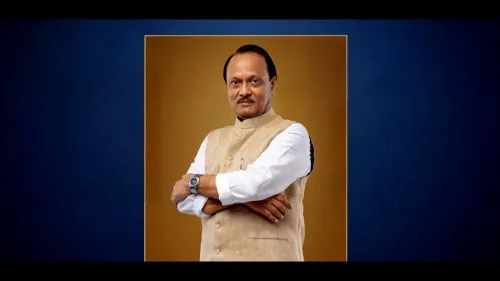
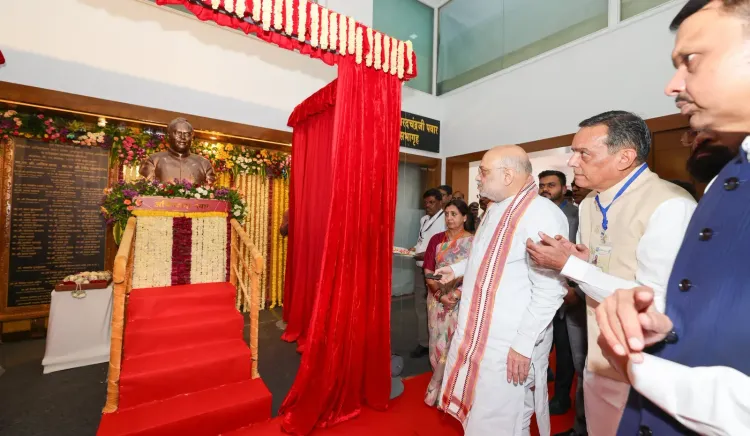
Union Home Minister Amit Shah unveiled a statue of late former Maharashtra Deputy CM Ajit Pawar in Pune on November 16, 2026, and inaugurated a district council gate, tribute gallery, and coffee-table book celebrating Pawar's cooperative-sector legacy.
Key Takeaways
Amit Shah attended a multi-event commemoration for the late Ajit Pawar in Pune on November 16, 2026 .
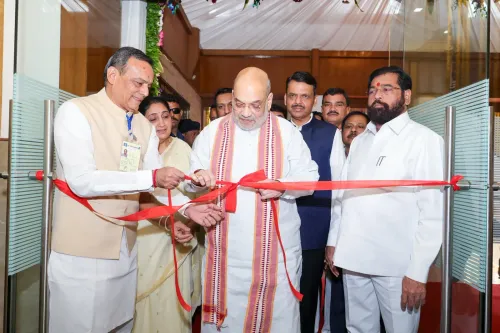
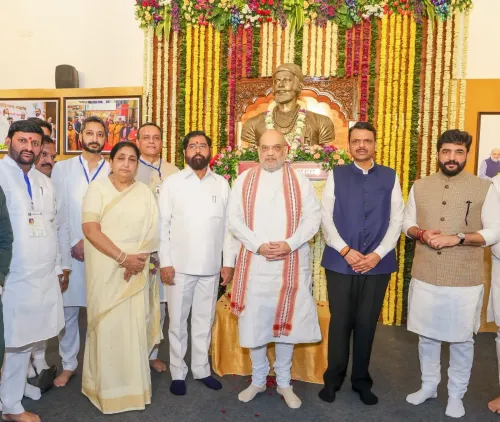
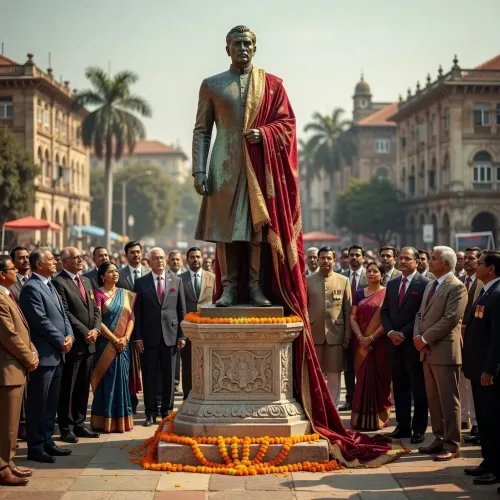
A statue of Pawar was unveiled and a district council entrance gate named after him was inaugurated.
A tribute gallery and a coffee-table book dedicated to Pawar's life and work were also released.
Shah credited Pawar with an 'unforgettable contribution' to farmers, dairy producers, and animal husbanderers through cooperative modernisation.
The event connects to Shah's role as Minister of Cooperation , a ministry created in July 2021 to reform India's cooperative sector.
Maharashtra hosts one of India's most extensive cooperative networks in agriculture, sugar, and dairy.
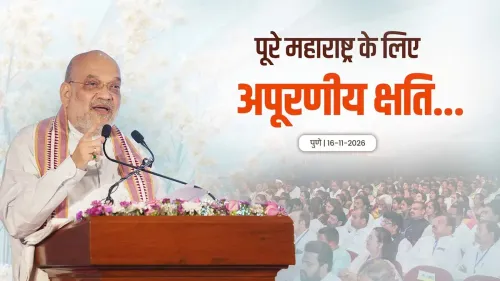
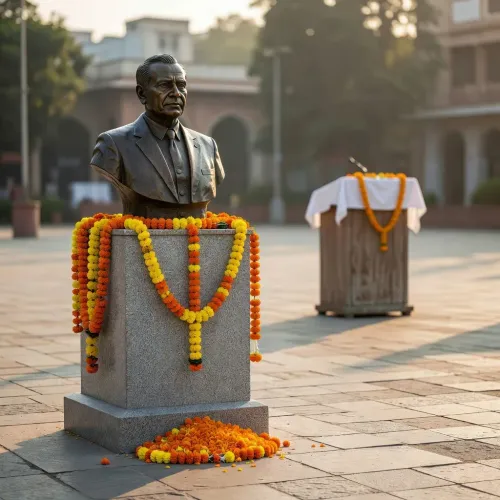
A bronze statue, a named gateway, a tribute gallery, and a coffee-table book — Union Home Minister Amit Shah marked Monday, November 16, 2026, in Pune, Maharashtra, with a series of commemorations honouring the late former Deputy Chief Minister Ajit Pawar, whose decades-long stewardship of the state's cooperative sector left a deep imprint on rural Maharashtra.
What was unveiled in Pune today
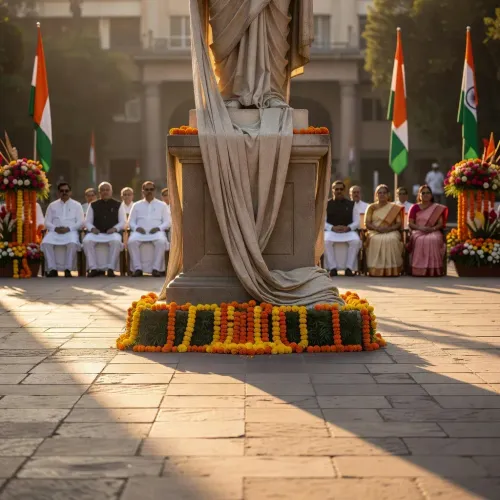
Shah performed the statue unveiling of Ajit Pawar and inaugurated a district council entrance gate built in his name. The occasion went further: a tribute gallery dedicated to Pawar's life and work was thrown open to the public, and a commemorative coffee-table book was formally released — together painting a picture of a full-scale state memorial event rather than a single ceremony.
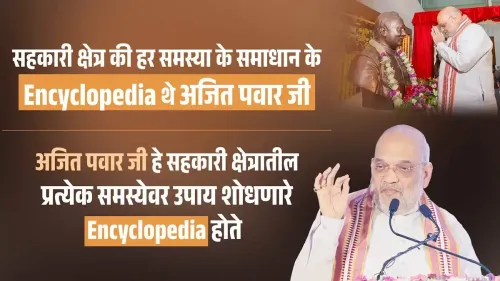
Posting on X in Hindi, Shah said Pawar had made an 'avismaraniya yogdan' (unforgettable contribution) — 'strengthening and modernising the cooperative sector to bring prosperity to farmers, animal husbanderers, and dairy producers.' He added that even after reaching the highest rungs of governance, Pawar remained 'lifelong committed to resolving the problems of the people and developing his region.'
Ajit Pawar's cooperative legacy in Maharashtra
Maharashtra runs one of India's most elaborate cooperative networks, spanning rural credit, sugar processing, and dairy supply chains. Pawar, a heavyweight in the state's political and cooperative circles, was credited with pushing institutional modernisation in a sector that directly touches the livelihoods of millions of farmers and milk producers across western Maharashtra.
The Ministry of Cooperation — created in July 2021 and held by Shah himself — was designed precisely to bring such state-level cooperative frameworks into a sharper national policy orbit. Shah's presence at the Pune event carries that institutional resonance: a central minister who oversees cooperative reform honouring a regional leader whose career was built on exactly that terrain.
Central government and Maharashtra's cooperative remembrance
It is not unusual for central ministers to attend state-level commemorations of cooperative leaders — such events signal the BJP-led Centre's interest in Maharashtra's politically significant rural cooperative belt. The tribute gallery and coffee-table book signal that today's event was designed to be archival as much as ceremonial, ensuring Pawar's institutional contributions are documented for future audiences.
With cooperative sector reforms still unfolding at both central and state levels, the symbolism of honouring a reformist predecessor carries weight beyond sentiment. Maharashtra's next chapter in cooperative governance will inevitably be measured against the foundations leaders like Pawar helped lay.
Point of View
Shah threads a continuity between Pawar's legacy and the BJP-led government's own cooperative modernisation agenda. The gallery and book also suggest the event was choreographed to serve as a lasting reference point, not merely a one-day ritual. Watch whether similar commemorations follow in other cooperative-heavy states as the Ministry of Cooperation advances its reform rollout.
NationPress
16 Nov 2026
Frequently Asked Questions
Who is Ajit Pawar and what was his role in Maharashtra?
Ajit Pawar served as Deputy Chief Minister of Maharashtra and was a prominent figure in the state's cooperative movement, credited with modernising institutions that support farmers, dairy producers, and rural communities.
What did Amit Shah do in Pune on November 16 2026?
Amit Shah unveiled a statue of the late Ajit Pawar, inaugurated a district council entrance gate named after him, opened a tribute gallery, and released a coffee-table book celebrating his life and work.
What is India's Ministry of Cooperation and when was it formed?
The Ministry of Cooperation was established in July 2021 to modernise and strengthen India's cooperative sector, and is currently held by Union Home Minister Amit Shah.
Why is Maharashtra's cooperative sector politically important?
Maharashtra has one of India's largest cooperative networks spanning rural credit, sugar mills, and dairy supply chains, making it central to the livelihoods of millions of farmers and a key arena of state politics.
Where in Pune was the Ajit Pawar statue unveiled?
The statue was unveiled at a ceremony in Pune that also included the inauguration of the district council entrance gate, though the specific address within the city was not detailed in the official post.