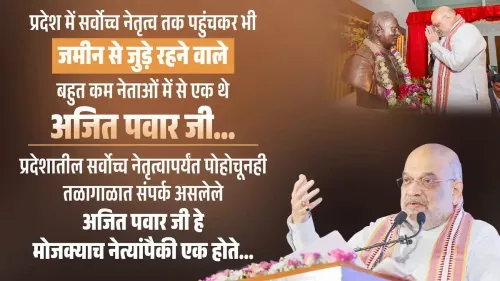
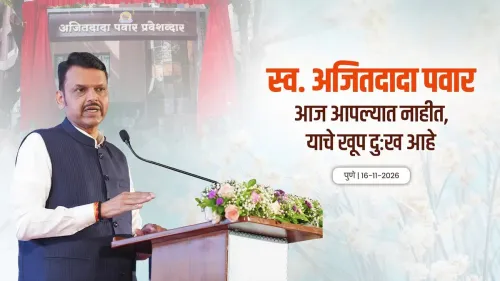
Amit Shah pays tribute to late Ajit Pawar at Pune statue unveiling
Synopsis
Home Minister Amit Shah used the unveiling of a statue of the late Ajit Pawar in Pune to deliver a pointed political message: that Ajit Pawar himself tied Maharashtra's future to the MahaYuti and Modi's national vision. The tribute blended personal grief with a clear effort to anchor the late NCP leader's legacy firmly within the ruling alliance's narrative ahead of Maharashtra's political calendar.
Key Takeaways
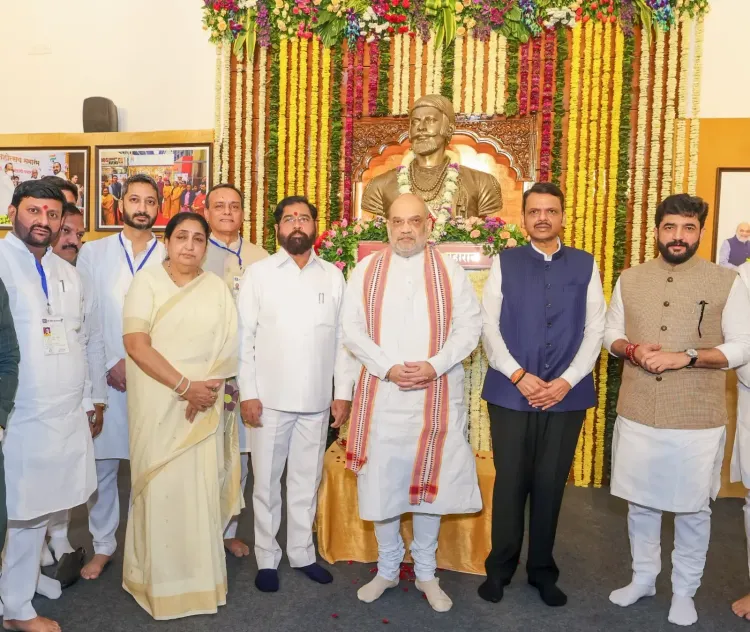
Amit Shah unveiled a statue of late former Maharashtra Deputy CM Ajit Pawar at the Pune Zilla Parishad on 16 November 2026 .
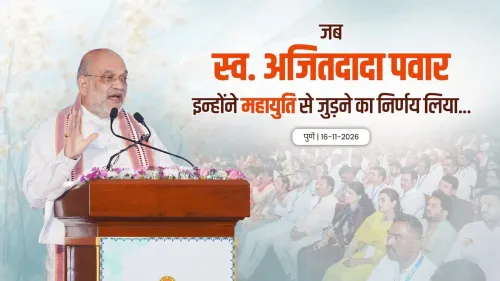
Shah quoted Ajit Pawar as saying that after Narendra Modi became Prime Minister, national development 'cannot be seen separately from the MahaYuti.' Shah described Ajit Pawar as an 'encyclopedia' of Maharashtra's cooperative sector, covering milk unions, PACS, sugar mills, and cooperative banks.
During the Covid-19 second wave , Ajit Pawar reportedly reached the State Secretariat by 7 a.m. daily to coordinate relief and oxygen supplies.
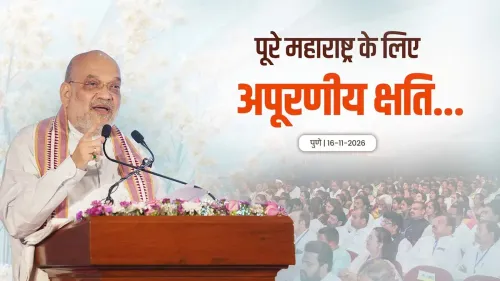
Shah called Ajit Pawar's death 'an irreparable loss' for Pune , Baramati , and Pimpri-Chinchwad and 'a personal loss' for himself.
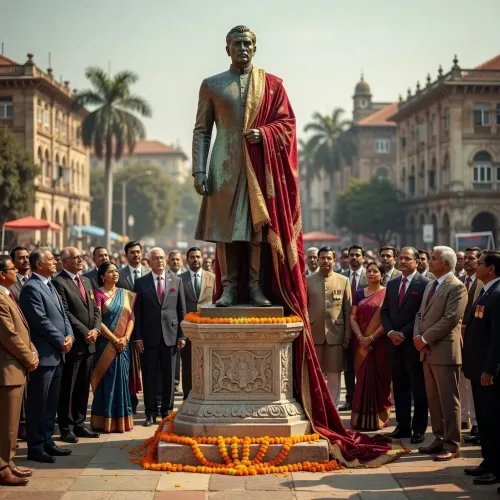
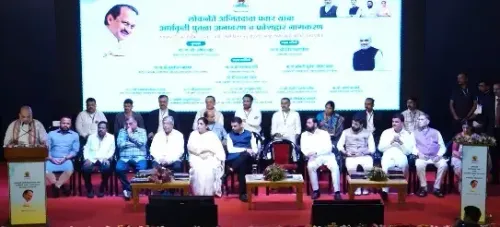
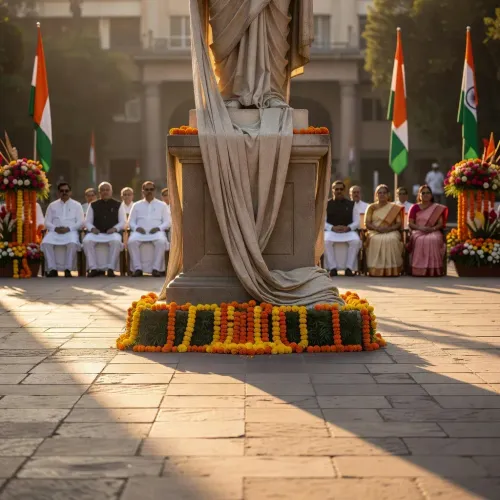
Union Home and Cooperation Minister Amit Shah on Monday, 16 November 2026, paid an emotional tribute to the late former Maharashtra Deputy Chief Minister Ajit Pawar during the unveiling of a statue in his honour at the Pune Zilla Parishad premises. Shah said that when Ajit Pawar chose to join the MahaYuti alliance, he was firmly convinced that Prime Minister Narendra Modi's national development vision and the alliance's agenda were inseparable.
Shah's Key Tribute
'While taking the decision to join the MahaYuti alliance, Ajit Pawar had said that after Narendra Modi became the Prime Minister, the development of the country cannot be seen separately from the MahaYuti,' Shah said, quoting the late leader directly. He described Ajit Pawar's passing as 'an irreparable loss for Maharashtra — particularly for Pune, Baramati, and Pimpri-Chinchwad.'
Shah also spoke of a personal bond, calling Ajit Pawar 'a dear friend and a mass leader with deep insights into Panchayati Raj, cooperation, agriculture, and modern urban development.' He noted that the void left behind could not be easily filled.
A Leader Rooted in the Cooperative Sector
Shah underscored Ajit Pawar's unparalleled command over Maharashtra's cooperative ecosystem — covering milk unions, Primary Agricultural Credit Societies (PACS), sugar mills, urban cooperative banks, and district cooperative banks. 'If you needed an encyclopedia to solve any cooperative problem, the name that always emerged was Ajit Pawar,' Shah remarked.
He recalled how the resolution of double income-tax issues on cooperative sugar mills under the Modi government was something Ajit Pawar deeply valued as a 'monumental boost' for the sector. Shah noted that such mastery was only possible through decades of ground-level engagement — from farmer cooperatives to the highest offices of state governance.
Pandemic Work Ethic and Grassroots Connect
Shah recalled that during the second wave of the Covid-19 pandemic, when many feared stepping out, Ajit Pawar arrived at the Maharashtra State Secretariat by 7 a.m. daily, personally coordinating rescue efforts and managing oxygen supplies. 'His methodology of blending sensitivity, coordination, punctuality, and discipline will serve as a lasting source of inspiration for the youth and future politicians of Maharashtra,' Shah said.
Notably, despite rising to the highest echelons of Maharashtra's political leadership, Ajit Pawar reportedly maintained his signature Lok Darbar — a public audience forum — until the very end, ensuring ordinary citizens could reach him directly.
Political Significance and Legacy
Ajit Pawar's alignment with the MahaYuti — the ruling alliance comprising the Bharatiya Janata Party (BJP), Shiv Sena (Shinde faction), and the Nationalist Congress Party (NCP) faction he led — was one of Maharashtra's most consequential political realignments in recent years. Shah's remarks at the statue unveiling reinforce the alliance's effort to consolidate Ajit Pawar's legacy as central to its governance narrative in western Maharashtra.
Shah concluded that although 'God called him back before his time,' the working style Ajit Pawar embodied — rooted in people-first governance — would guide a new generation of politicians in Maharashtra for years to come.
Point of View
The Home Minister effectively sought to cement the late leader's realignment as ideologically grounded — not merely opportunistic. This matters in Baramati and Pimpri-Chinchwad, where the NCP's split still divides loyalties. The cooperative sector praise is also pointed: Ajit Pawar's command over that ecosystem was a core source of his influence, and the BJP's ability to retain that constituency will be a key indicator of whether his legacy transfers to the alliance or reverts to the rival NCP faction led by Sharad Pawar.
NationPress
16 Nov 2026
Frequently Asked Questions
Why did Amit Shah visit Pune on 16 November 2026?
Amit Shah attended the unveiling of a statue dedicated to the late former Maharashtra Deputy Chief Minister Ajit Pawar at the Pune Zilla Parishad premises. He delivered a tribute speech recalling Ajit Pawar's political convictions, cooperative sector expertise, and personal working style.
What did Amit Shah say about Ajit Pawar's connection to the MahaYuti?
Shah quoted Ajit Pawar as saying that after Narendra Modi became Prime Minister, the development of the country could not be seen separately from the MahaYuti alliance. Shah used this to argue that Ajit Pawar's decision to join the alliance was driven by a genuine ideological alignment with Modi's national development vision.
What was Ajit Pawar's contribution to Maharashtra's cooperative sector?
According to Shah, Ajit Pawar possessed encyclopedic knowledge of every tier of Maharashtra's cooperative structure — from milk unions and Primary Agricultural Credit Societies (PACS) to sugar mills and cooperative banks. Shah said this mastery came from decades of ground-level work and a 'genuine affection for farmers, villagers, and poor women dairy producers.'
How did Ajit Pawar perform during the Covid-19 second wave?
Shah recalled that during the Covid-19 second wave, Ajit Pawar arrived at the Maharashtra State Secretariat by 7 a.m. every day, personally coordinating rescue operations and managing oxygen supplies at a time when many others feared stepping out.
Who was the late Ajit Pawar in Maharashtra politics?
Ajit Pawar was a senior Nationalist Congress Party (NCP) leader from Baramati who served multiple terms as Maharashtra's Deputy Chief Minister. He was widely regarded as one of the state's most influential politicians, particularly in western Maharashtra's cooperative and rural sectors, before his untimely death.