CM Nitish Kumar Backs Sanskrit Manuscript Digitisation Drive
Synopsis
Bihar Chief Minister Nitish Kumar has announced an institutional cooperation to scientifically catalogue, digitise, conserve, and publish thousands of rare Sanskrit manuscripts preserved in the state, paving the way for their international academic access and research.
Key Takeaways
The Chief Minister's Office of Bihar announced on 7 July 2026 a new institutional cooperation for rare Sanskrit manuscripts.
CM Nitish Kumar stated the collaboration will enable scientific cataloguing, digitisation, and conservation of thousands of rare Sanskrit manuscripts .
The initiative also targets international research and publication of the manuscripts, extending their reach beyond domestic archives.
The announcement aligns with India's National Mission for Manuscripts , launched by the Ministry of Culture in 2003 .
Bihar's historic ties to ancient learning — including the Nalanda legacy and Mithila's Sanskrit tradition — give the project broader cultural significance.
Specific partner institutions and a rollout timeline are yet to be formally announced.
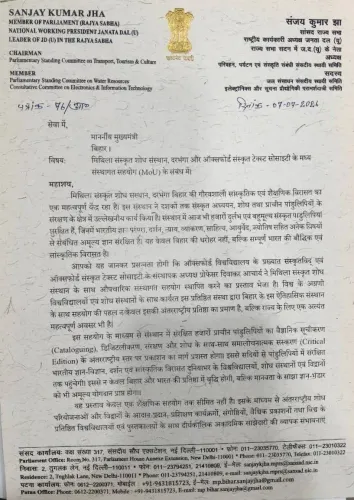
The Chief Minister's Office of Bihar, on Tuesday, 7 July 2026, shared remarks by Chief Minister Nitish Kumar announcing a new institutional cooperation aimed at the scientific cataloguing, digitisation, conservation, and international research and publication of thousands of rare Sanskrit manuscripts held at an institution in the state.
The Chief Minister's Office quoted CM Nitish Kumar as saying that through this collaboration, 'वैज्ञानिक सूचीकरण, डिजिटलीकरण, संरक्षण तथा अंतरराष्ट्रीय स्तर पर उनके शोध एवं प्रकाशन का मार्ग प्रशस्त होगा' — meaning 'the path will be paved for scientific cataloguing, digitisation, conservation, and their research and publication at the international level.' The announcement centres on thousands of rare Sanskrit manuscripts currently preserved within the institution.
Context
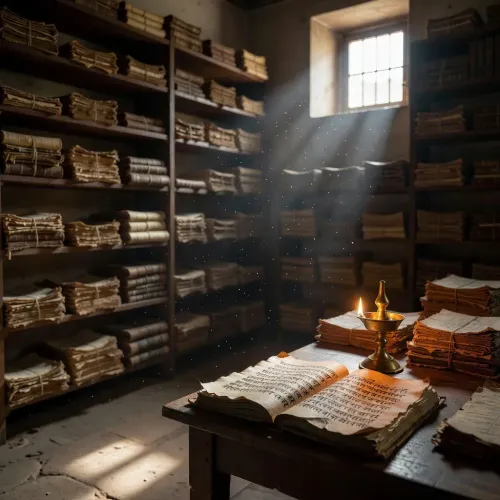
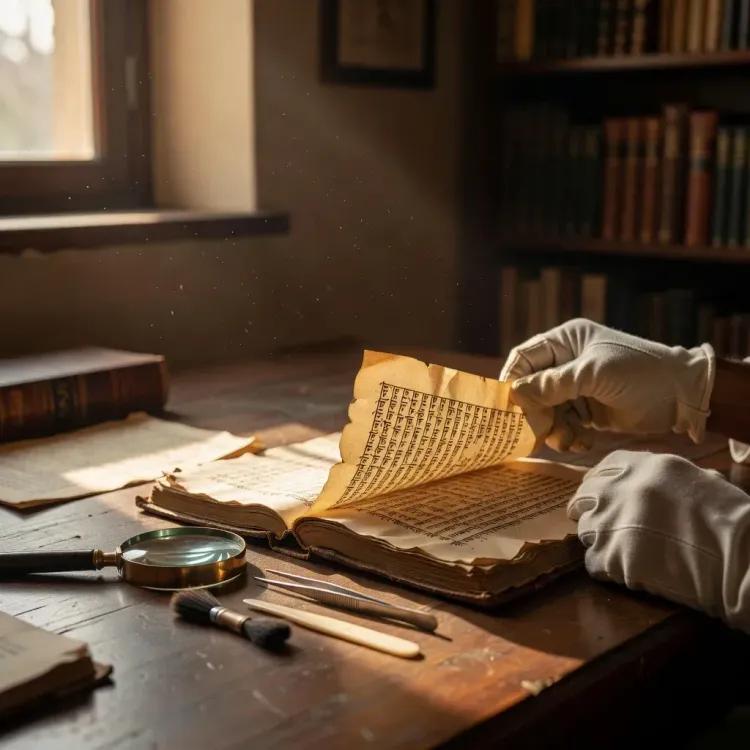
Bihar carries a deep manuscript heritage linked to its historic centres of learning, including ancient sites that once drew scholars from across the subcontinent. Physical deterioration of aged manuscripts — caused by humidity, insects, and the passage of centuries — has long threatened irreplaceable texts in the state's collections. The new cooperation is positioned as a systematic response to that threat, applying scientific conservation standards alongside digital access tools.
Policy Backdrop
India's National Mission for Manuscripts, launched by the Ministry of Culture in 2003, established the national framework for surveying, cataloguing, and conserving manuscript collections across the country. Bihar's initiative aligns with that broader federal effort, which has progressively expanded to include digitisation so that scholars worldwide can access texts without risking the originals. State-level partnerships of this kind typically combine state funding with national scheme support and specialised technical expertise for conservation and metadata standards.
Indian states with significant manuscript holdings have increasingly pursued digitisation agreements over the past two decades to arrest physical decay and widen academic access. The emphasis on international research and publication in CM Kumar's statement signals an ambition that goes beyond domestic archiving — positioning Bihar as a node in global Sanskrit scholarship.
Stakeholders and Impact
The primary beneficiaries are Sanskrit scholars, academic researchers, and heritage institutions in India and abroad who seek access to rare texts that have historically been inaccessible due to their fragile physical state. Students of Indology, linguistics, and ancient history stand to gain from digitised, catalogued collections that can be searched and cited with precision. Conservation professionals and archivists will also play a central role in executing the scientific cataloguing component of the project.
For Bihar itself, the initiative carries cultural and reputational weight: the state's association with ancient learning — from Nalanda to Mithila's Maithili-Sanskrit literary tradition — gives such a project significance beyond mere archiving. Successful international publication of these manuscripts could strengthen the state's profile in heritage tourism and academic diplomacy.
What's Next
Further official statements from the Chief Minister's Office are expected to name the specific partner institution and provide a rollout timeline for the digitisation and cataloguing work. The scope of international publication — including which global academic platforms or libraries may be involved — remains to be detailed in subsequent announcements. Watchers of Bihar's cultural policy will look for budget allocations and a formal project launch event to gauge the pace of implementation.
Point of View
Time-bound project or remains a policy statement will depend on the institutional details yet to be disclosed.
NationPress
6 Oct 2026
Frequently Asked Questions
What did Bihar CM Nitish Kumar announce about Sanskrit manuscripts?
CM Nitish Kumar announced a new institutional cooperation to scientifically catalogue, digitise, conserve, and enable international research and publication of thousands of rare Sanskrit manuscripts preserved in a Bihar institution.
What is the National Mission for Manuscripts?
The National Mission for Manuscripts is an initiative launched by India's Ministry of Culture in 2003 to survey, catalogue, and conserve manuscript collections across the country, forming the national policy backbone for projects like Bihar's.
Why is digitisation of Sanskrit manuscripts important?
Digitisation arrests physical decay caused by age, humidity, and insects, while making rare texts accessible to scholars worldwide without risking damage to the originals.
Which institution in Bihar holds these rare Sanskrit manuscripts?
The Chief Minister's Office has not yet named the specific institution in its announcement; further official statements are expected to provide those details.
How does this initiative benefit international Sanskrit scholars?
By digitising and publishing the manuscripts at an international level, the project will allow researchers, Indologists, and linguists worldwide to access and cite texts that were previously inaccessible due to their fragile physical condition.