CM Nitish Kumar Frames Bihar Yatra as Cultural Mission
Synopsis
Bihar Chief Minister Nitish Kumar has described an ongoing yatra as a campaign to reinforce the state's cultural heritage and Sanatan tradition, framing it as a broader civilisational mission beyond religious observance. The statement was shared by the official Chief Minister's Office on 20 July 2026.
Key Takeaways
The Chief Minister's Office of Bihar shared CM Nitish Kumar 's statement on 20 July 2026 framing an ongoing yatra as a cultural and civilisational mission.
CM Kumar described the yatra as 'a powerful campaign to reinforce cultural heritage, Sanatan tradition, and spiritual consciousness,' not merely a religious journey.
Bihar has invested in religious and heritage tourism circuits since the 2010s , covering Hindu, Buddhist, and Jain sites.
The statement reflects a broader pattern across Indian states of linking pilgrimage events to cultural soft power and regional identity.
Key stakeholders include pilgrims , local heritage-site communities, and the Bihar tourism sector .
Specific yatra itinerary, participating districts, and budget allocations are yet to be officially announced.
The Chief Minister's Office of Bihar on Monday, 20 July 2026 shared a statement from Chief Minister Nitish Kumar describing an ongoing yatra as far more than a religious journey — calling it a powerful campaign to strengthen Bihar's cultural heritage, Sanatan tradition, and spiritual consciousness.
In the post, CM Nitish Kumar is quoted as saying: 'yah yatra keval ek dharmik yatra nahin, balki hamari sanskritik virasat, Sanatan parampara aur adhyatmik chetna ko sudridh karne ka ek sashakt abhiyan hai' — 'This journey is not merely a religious yatra, but a powerful campaign to reinforce our cultural heritage, the Sanatan tradition, and spiritual consciousness.'
Context
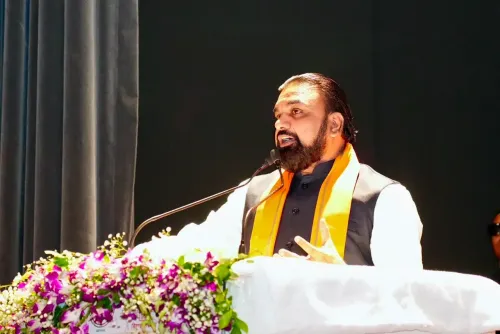
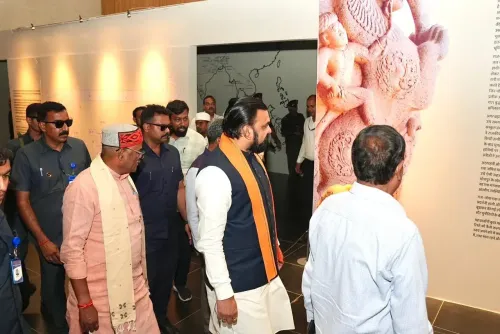
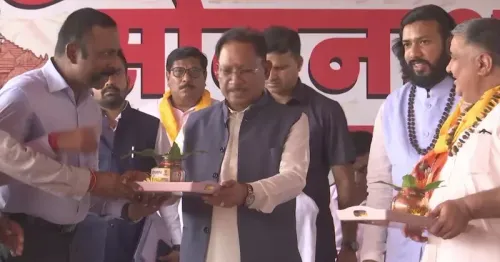
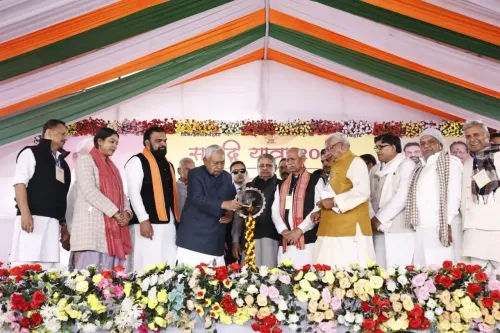
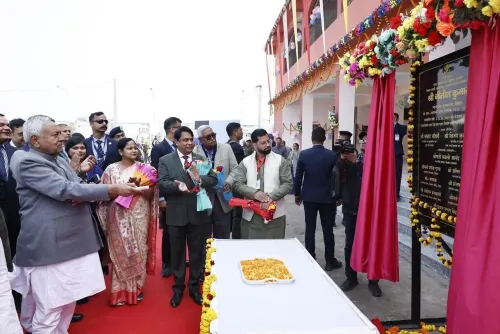
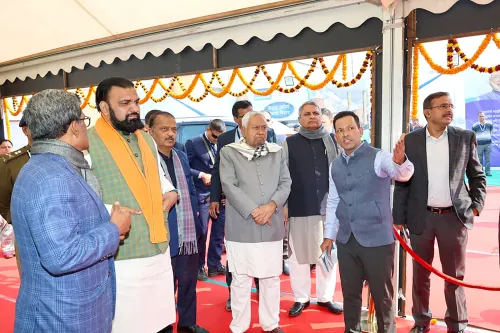
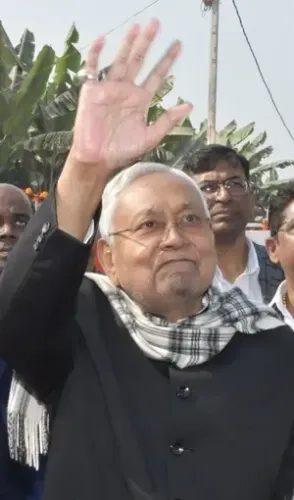
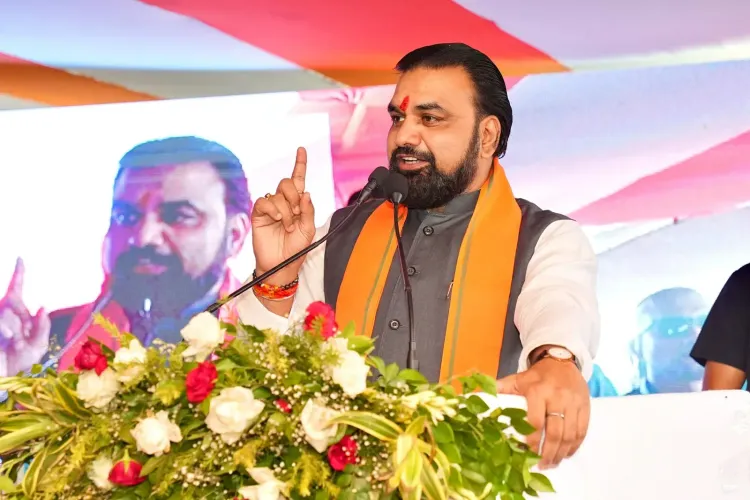
The statement positions the yatra explicitly within a framework of cultural consolidation rather than devotion alone. By invoking Sanatan parampara (the eternal tradition) and adhyatmik chetna (spiritual consciousness), the Chief Minister's Office signals that the state government views the pilgrimage as an instrument of identity and heritage reinforcement. The post was accompanied by an image, suggesting the yatra is either underway or was recently flagged off.
Policy Backdrop
Bihar has maintained a sustained focus on religious and heritage tourism since the 2010s, developing circuits that span Hindu, Buddhist, and Jain pilgrimage sites across the state. The Government of Bihar has framed these initiatives as dual-purpose: preserving ancient cultural landmarks while generating local economic activity through pilgrim footfall. CM Nitish Kumar, across his multiple terms in office, has consistently backed infrastructure upgrades at key religious sites as part of the state's broader tourism strategy.
The language deployed in Monday's statement — linking a yatra to cultural heritage and Sanatan tradition — reflects a wider pattern visible across several Indian states, where pilgrimage events are increasingly positioned as vehicles for cultural soft power and regional identity, not merely acts of personal devotion.
Stakeholders and Impact
Pilgrims undertaking the yatra stand to benefit directly from any state-supported amenities, logistical arrangements, or site upgrades tied to the initiative. Local communities around heritage and pilgrimage sites in Bihar also stand to gain from increased footfall and associated economic activity. The tourism sector — including hospitality, transport, and guided services — is another key stakeholder, as state-endorsed yatras typically drive measurable upticks in short-duration travel within the region.
The framing also carries political resonance: articulating a yatra in terms of cultural heritage and Sanatan parampara broadens its appeal beyond practising pilgrims to a wider constituency invested in cultural identity.
What's Next
Details of the specific yatra — including its itinerary, participating districts, and any linked budget allocations for pilgrim amenities or site development — are expected to emerge through forthcoming state government announcements. Observers will watch whether the Government of Bihar follows the statement with concrete policy measures, such as new heritage circuit notifications or dedicated funds in the state tourism plan. The emphasis on cultural consolidation suggests this yatra could serve as a template for future state-sponsored pilgrimage programmes in Bihar.
Point of View
A state with deep reserves of Buddhist, Hindu, and Jain heritage, such framing also serves a practical tourism-economy logic, broadening the appeal of pilgrimage infrastructure investment. The statement arrives at a moment when several state governments are competing to position themselves as custodians of India's ancient cultural legacy, and Bihar's messaging aligns with that competitive dynamic. Whether the rhetoric is backed by concrete policy announcements — new circuits, budget lines, site upgrades — will determine how substantive this 'campaign' turns out to be.
NationPress
20 Oct 2026
Frequently Asked Questions
What did Bihar CM Nitish Kumar say about the yatra?
CM Nitish Kumar said the yatra is not merely a religious journey but a powerful campaign to reinforce Bihar's cultural heritage, Sanatan tradition, and spiritual consciousness, according to a statement shared by the Chief Minister's Office on 20 July 2026.
Which yatra is Bihar CM Nitish Kumar referring to?
The specific yatra referenced in the 20 July 2026 post has not been named or detailed in the statement; further announcements from the Government of Bihar are expected to clarify the itinerary and participating districts.
What is Bihar's policy on religious tourism?
Bihar has developed religious tourism circuits covering Hindu, Buddhist, and Jain pilgrimage sites since the 2010s, with the state government investing in infrastructure upgrades to boost pilgrim footfall and local economic activity.
What does Sanatan parampara mean in the context of Bihar's yatra?
'Sanatan parampara' refers to the eternal or ancient tradition associated with Hindu civilisation; CM Nitish Kumar used the phrase to frame the yatra as a means of strengthening Bihar's deep-rooted cultural and spiritual identity.
How does Bihar's yatra initiative compare to other Indian states?
Several Indian states have increasingly framed religious yatras and pilgrimage circuits as vehicles for cultural consolidation and heritage branding, and Bihar's approach mirrors these parallel efforts to link ancient routes with state-supported identity promotion and local economic gains.