TN CM Joseph Vijay meets State Human Rights Commission members
Synopsis
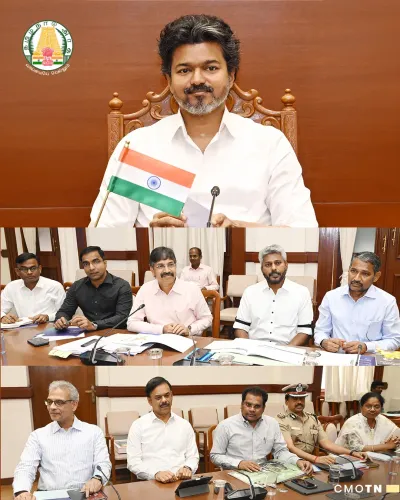
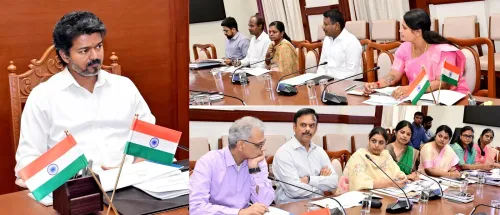
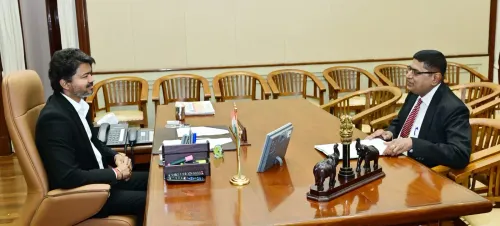
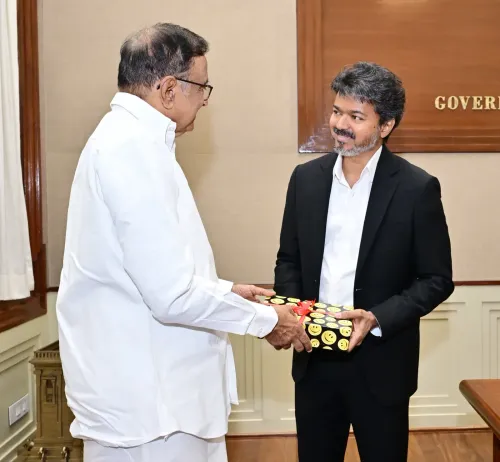
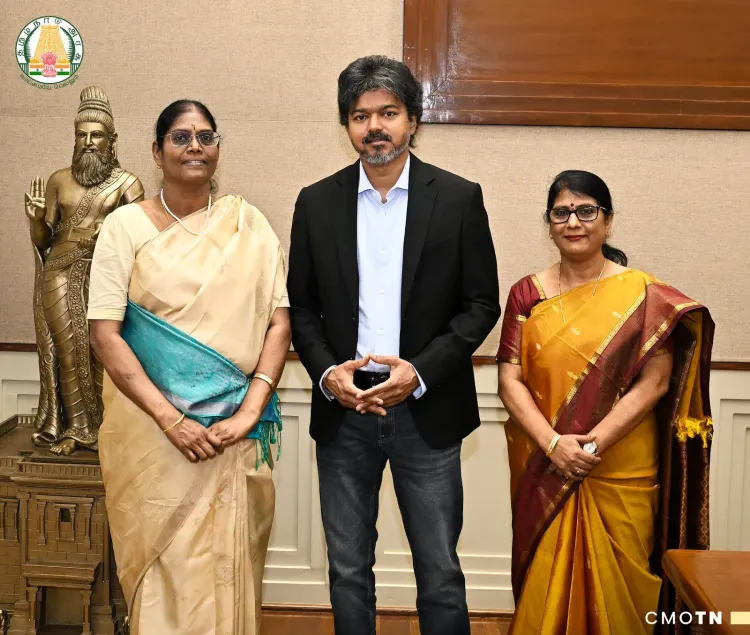
Tamil Nadu Chief Minister C. Joseph Vijay received members of the State Human Rights Commission — retired Justice Dr R. N. Manjula and Smt. A. Suganthi, IAS (Retd.) — at the State Secretariat on 29 September 2026, signalling direct executive engagement with the statutory rights watchdog.
Key Takeaways
Joseph Vijay met Tamil Nadu State Human Rights Commission members at the State Secretariat on 29 September 2026 .
The delegation included retired Justice Dr R.
Suganthi, IAS (Retd.) , both commission members.
The Tamil Nadu SHRC is constituted under the Protection of Human Rights Act, 1993 and investigates state-level rights violations.
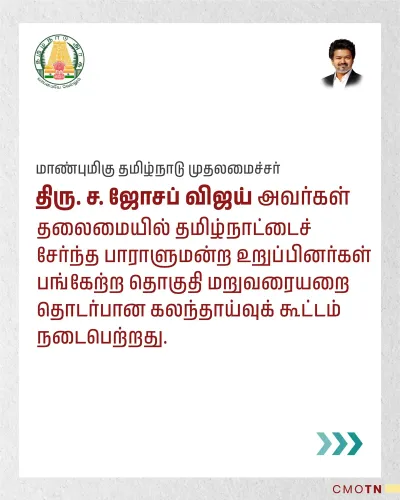
The meeting was confirmed by the Chief Minister's Office via an official post on X.
Specific agenda items discussed were not disclosed; follow-up commission reports may reveal outcomes.
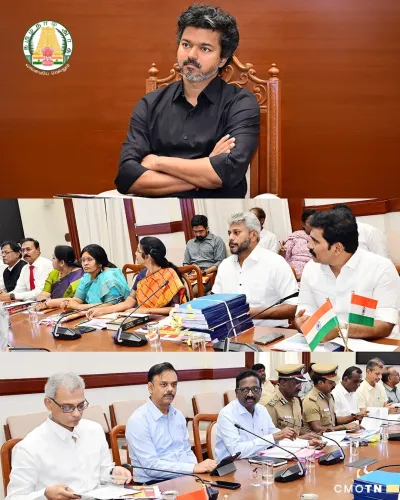
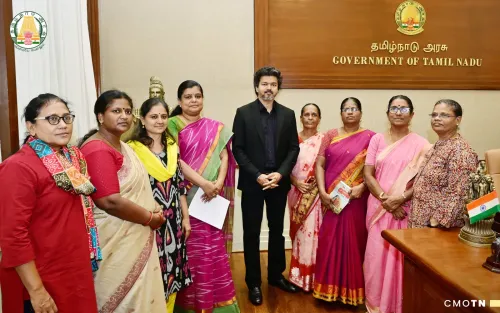
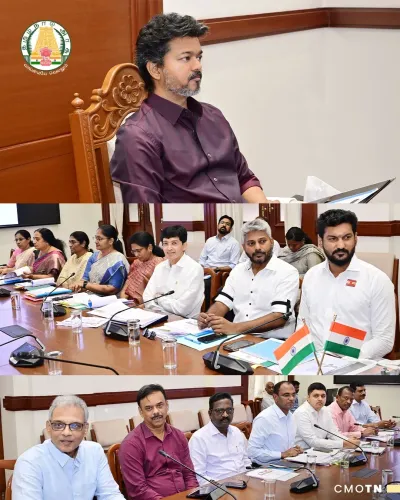
Members of the Tamil Nadu State Human Rights Commission called on Chief Minister C. Joseph Vijay at the State Secretariat on Tuesday, 29 September 2026 — a meeting that signals the executive's direct engagement with one of the state's most consequential statutory watchdog bodies.
The delegation comprised retired Justice Dr R. N. Manjula and Smt. A. Suganthi, IAS (Retd.), both members of the commission. The Chief Minister's Office confirmed the meeting through an official post, noting the discussion was held at Thalaimai Seiyalagam — the State Secretariat in Chennai.
What the Tamil Nadu Human Rights Commission does
The Tamil Nadu State Human Rights Commission (SHRC) is a statutory body constituted under the Protection of Human Rights Act, 1993. Its mandate is to inquire into complaints of human rights violations by state agencies and to recommend remedial action to the government. The commission functions independently of the executive, though its effectiveness is closely tied to the state government's responsiveness to its findings.
Meetings between commission members and the Chief Minister are relatively rare in routine governance calendars — making this interaction a signal that the state's top executive is keeping the lines of communication open with the watchdog body.
Why this meeting matters for rights accountability in Tamil Nadu
India's state human rights commissions occupy a critical but often under-resourced space in the accountability architecture. When commission members seek direct audience with the Chief Minister, it typically indicates either a review of pending compliance matters or a broader discussion on institutional capacity. The presence of a retired judge and a retired IAS officer — the two professional streams that typically constitute such commissions — underscores the formal, multi-disciplinary character of the body.
Whether the discussion touched on specific complaint categories, pendency of cases, or administrative support for the commission is not confirmed by the post. Any follow-up statements or the commission's next annual report will likely shed light on what was on the table.
The Chief Minister's willingness to receive the commission's members at the Secretariat, rather than through a lower-level channel, sends a clear signal about the weight the current administration places on human rights oversight — and the watchdog community will be watching for concrete follow-through.
Point of View
And their occurrence at the Secretariat level — rather than through bureaucratic intermediaries — carries symbolic and procedural weight. It suggests the Tamil Nadu administration is keen to project accountability and institutional respect for statutory oversight bodies. In a broader national context where state human rights commissions often struggle with understaffing and ignored recommendations, such executive-level engagement could either reinforce the commission's authority or serve as a public-relations signal without substantive follow-through — the difference will be visible only in the commission's next compliance cycle.
NationPress
29 Sept 2026
Frequently Asked Questions
What is the Tamil Nadu State Human Rights Commission?
The Tamil Nadu State Human Rights Commission is a statutory body set up under the Protection of Human Rights Act, 1993, to inquire into human rights violations by state government agencies and recommend corrective action.
Who met Tamil Nadu CM Joseph Vijay on 29 September 2026?
Retired Justice Dr R. N. Manjula and Smt. A. Suganthi, IAS (Retd.), both members of the Tamil Nadu State Human Rights Commission, met Chief Minister C. Joseph Vijay at the State Secretariat.
Where did the meeting between the CM and Human Rights Commission members take place?
The meeting took place at Thalaimai Seiyalagam, the Tamil Nadu State Secretariat in Chennai, on 29 September 2026.
What was discussed between CM Joseph Vijay and the Human Rights Commission?
The specific agenda was not disclosed in the official communication. Outcomes may be reflected in future commission statements or annual reports.
Who constitutes the Tamil Nadu State Human Rights Commission?
The commission is typically composed of retired High Court judges and retired senior IAS officers, as prescribed under the Protection of Human Rights Act, 1993.