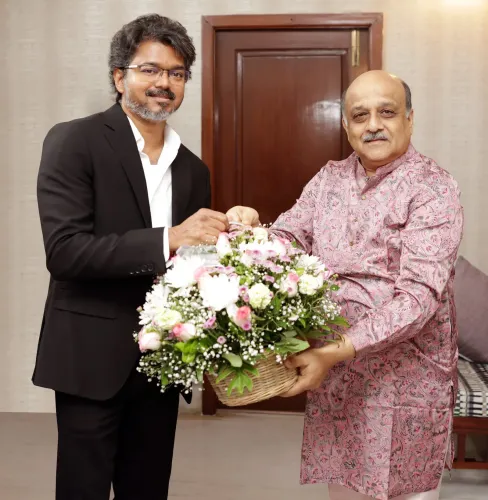
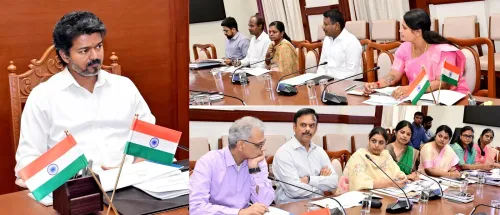
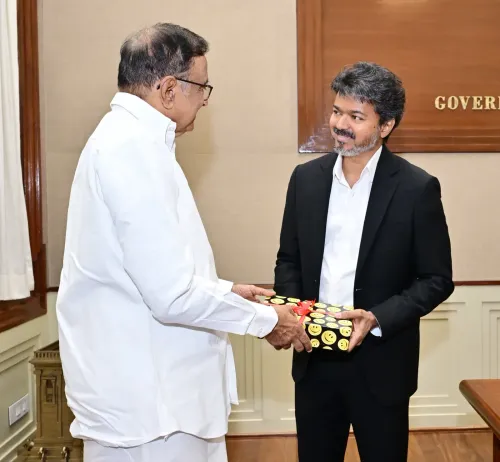
CM Joseph Vijay meets Tamil Nadu Human Rights Commission Chief
Synopsis
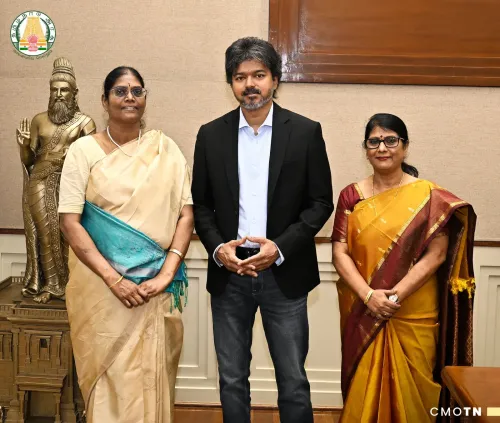
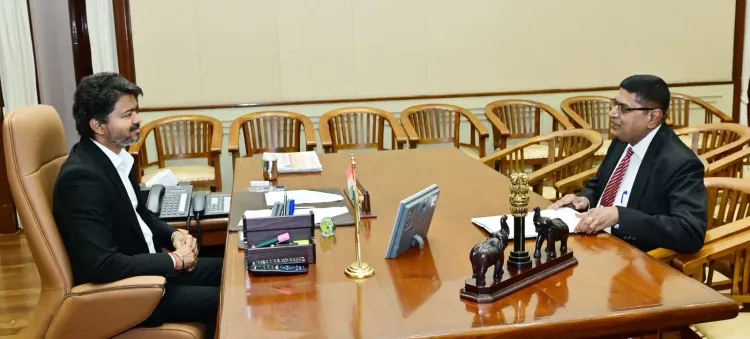
Tamil Nadu Chief Minister Joseph Vijay received retired Justice S. Manikumar, Chairperson of the Tamil Nadu State Human Rights Commission, at the State Secretariat on June 8, 2026, in a formal administrative engagement between the state executive and the statutory rights body.
Key Takeaways
Chief Minister Joseph Vijay met retired Justice S.
Manikumar at the State Secretariat, Chennai on June 8, 2026 .
Manikumar serves as Chairperson of the Tamil Nadu State Human Rights Commission .
The commission is constituted under the Protection of Human Rights Act, 1993 , which mandates state-level human rights bodies across India.
The meeting represents formal executive engagement with a statutory oversight body responsible for inquiring into human rights violations.
No joint statement or detailed agenda has been publicly released following the meeting.
Stakeholders will watch for government orders on commission recommendations and the release of the body's annual report.
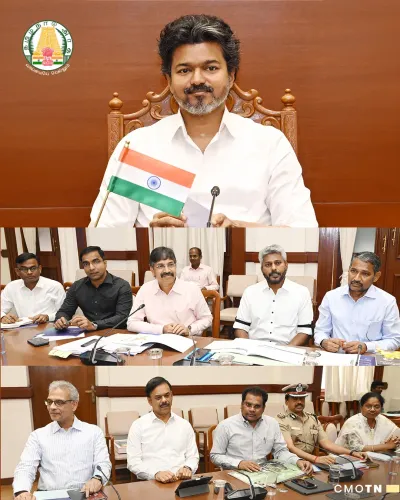
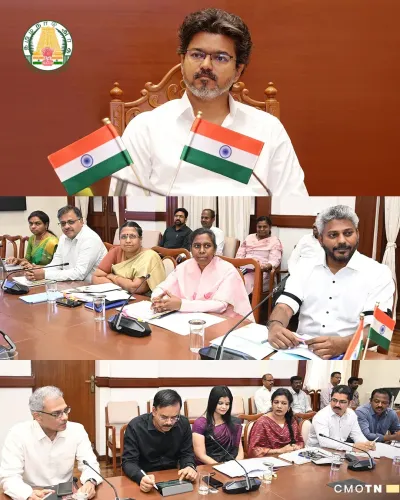
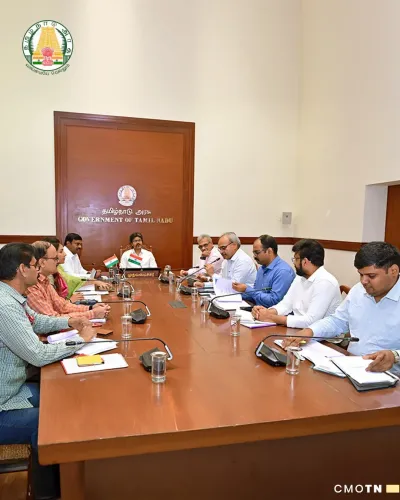
The Chief Minister's Office of Tamil Nadu announced on Monday, June 8, 2026, that Chief Minister Joseph Vijay met with retired Justice S. Manikumar, Chairperson of the Tamil Nadu State Human Rights Commission, at the State Secretariat in Chennai. The meeting marks a formal interaction between the state's top executive and the statutory human rights body.
The CMO's post, written in Tamil, stated: 'மாண்புமிகு தமிழ்நாடு முதலமைச்சர் திரு.ச.ஜோசப் விஜய் அவர்களை இன்று (8.6.2026) தலைமைச் செயலகத்தில், தமிழ்நாடு மாநில மனித உரிமைகள் ஆணையத்தின் தலைவர் ஓய்வுபெற்ற நீதிபதி திரு. எஸ். மணிகுமார் அவர்கள் சந்தித்துப் பேசினார்.' — translating to: 'Honourable Tamil Nadu Chief Minister Mr. Joseph Vijay was met and spoken to today (8.6.2026) at the State Secretariat by Tamil Nadu State Human Rights Commission Chairperson, retired Justice Mr. S. Manikumar.'Context
The Tamil Nadu State Human Rights Commission is a statutory body established under the Protection of Human Rights Act, 1993, which mandated the creation of state-level commissions across India to inquire into alleged violations of human rights. The commission functions independently, with its chairperson typically being a retired High Court or Supreme Court judge. Retired Justice S. Manikumar currently heads the Tamil Nadu body in that capacity.
Policy Backdrop
India's federal architecture places state human rights commissions alongside the National Human Rights Commission (NHRC), with the former handling complaints specific to state subjects and state government actions. The Protection of Human Rights Act, 1993 empowers these bodies to summon witnesses, requisition documents, and make recommendations to the state government. State governments are expected to act on commission recommendations within a stipulated period and report compliance.
Formal meetings between a sitting Chief Minister and the commission chairperson are part of the broader administrative oversight mechanism — signalling the executive's engagement with grievance redressal and human rights accountability at the state level.
Stakeholders and Impact
The primary stakeholders in such an interaction include Tamil Nadu residents who have filed or may file complaints before the commission, as well as state government departments whose conduct falls under the commission's scrutiny. Civil society organisations working on human rights in the state also watch such high-level engagements closely, as they can signal policy shifts or increased responsiveness to pending recommendations. The meeting, held at the State Secretariat, underscores the institutional importance the current administration accords to the commission.
What's Next
Observers will watch for any follow-up government orders responding to the commission's pending recommendations, as well as the release of the commission's annual report, which typically details the volume and nature of complaints received and disposed of. A formal readout or joint statement from either the Chief Minister's Office or the Tamil Nadu State Human Rights Commission detailing the agenda of Monday's meeting has not yet been issued. The engagement could presage renewed momentum on human rights grievance redressal ahead of any forthcoming legislative session in Chennai.
Point of View
Whose government is still consolidating its administrative identity, such engagements help project a governance-first image. The meeting also comes at a time when state human rights bodies across India are under scrutiny for pendency and enforcement gaps. Whether this interaction translates into concrete action on pending recommendations will be the true measure of its significance.
NationPress
22 Oct 2026
Frequently Asked Questions
Who is the Chairperson of the Tamil Nadu State Human Rights Commission?
Retired Justice S. Manikumar is the Chairperson of the Tamil Nadu State Human Rights Commission as of the reported meeting on June 8, 2026.
What is the Tamil Nadu State Human Rights Commission?
The Tamil Nadu State Human Rights Commission is a statutory body set up under the Protection of Human Rights Act, 1993 to inquire into human rights violations within the state and make recommendations to the government.
Why did CM Joseph Vijay meet the Human Rights Commission chief?
The Chief Minister's Office announced the meeting as a formal interaction at the State Secretariat on June 8, 2026 , though no detailed agenda was publicly disclosed.
What is the Protection of Human Rights Act 1993?
The Protection of Human Rights Act, 1993 is a central legislation that established the National Human Rights Commission and empowered state governments to constitute their own State Human Rights Commissions to address rights violations at the state level.
Where is the Tamil Nadu State Secretariat located?
The Tamil Nadu State Secretariat , also known as the Fort St. George complex, is located in Chennai , the state capital, and serves as the administrative headquarters of the Tamil Nadu government.