Is the Future of Namakkal's Soapstone Artisans in Jeopardy After GI Tag?
Click to start listening
Synopsis
The future of Namakkal's soapstone artisans hangs in the balance despite receiving a Geographical Indication tag for their iconic cookware. While visibility has increased, a raw material crisis threatens their craft. Will they find a way to sustain this heritage?
Key Takeaways
- GI tag recognition boosts visibility but does not solve raw material issues.
- High-quality soapstone is increasingly scarce and difficult to access.
- Artisan production relies on family-run businesses with specialized skills.
- Government initiatives exist but need to ensure sustainable raw material access.
- Without a solid policy framework, the future of this craft remains uncertain.
Namakkal, Dec 13 (NationPress) The traditional soapstone artisans in the Namakkal region of Tamil Nadu are confronting an uncertain future, even as their renowned cookware, Namakkal Makkal Pattirangal, has recently been granted the Geographical Indication (GI) tag.
This recognition has certainly enhanced visibility and market demand for this centuries-old craft; however, artisans express concern that it has not alleviated their most significant issue -- the continual depletion of high-quality soapstone, which is vital for their survival.
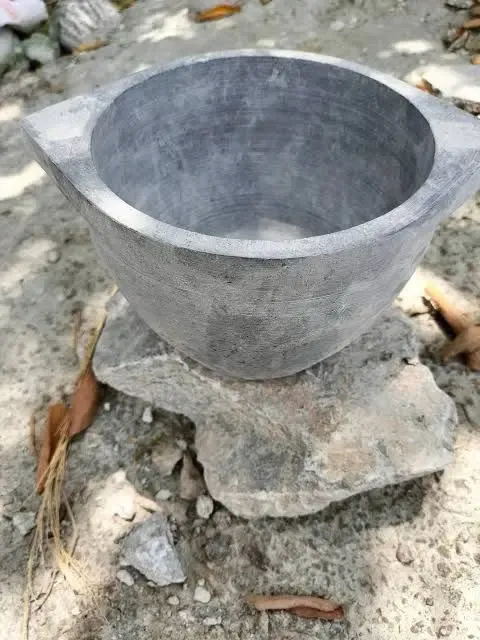
For generations, families in Namakkal and surrounding areas have crafted kalchattis and other cookware from a unique magnesium-rich, velvet-smooth soapstone praised for its excellent heat retention, slow fermentation capabilities, and nutrient preservation.
This stone has traditionally been mined from the Namakkal district and neighboring areas, including Mangalapuram, Periyasoragai, Aranganur, and certain spots in Salem district. Yet, artisans report that readily accessible deposits are nearly exhausted. Most remaining resources are now buried deep underground or located in restricted zones, including forested areas where quarrying is prohibited.
Extracting stone from these deeper layers necessitates mechanized methods, but obtaining the required permissions for such extractions has become increasingly challenging. Consequently, artisans fear that limited access to raw materials could significantly impede production, especially now that the GI tag has rekindled interest in their products.
The craft itself is predominantly maintained by small, family-run enterprises operating from modest workshops in rural areas near quarrying sites. Despite the rising popularity, there has been minimal growth in scale or workforce, primarily because the specialized skills are inherited within families and depend heavily on consistent access to appropriate stone.
Stakeholders involved in obtaining the GI tag assert that the craft's endurance over centuries distinguishes it from many other traditional handicrafts that have faded into obscurity.
Government agencies have initiated efforts to promote soapstone cookware through exhibitions and workshops, and interest from large retail chains has surged. However, without guaranteed and regulated access to raw materials, artisans argue that they cannot increase production or capitalize on emerging market opportunities.
Forest officials insist that extraction permissions are strictly regulated by existing laws. While limited extraction may be considered in non-restricted areas if land classifications allow it, quarrying within reserved forest zones remains banned.
As demand for traditional and sustainable cookware escalates, Namakkal's soapstone artisans caution that recognition alone is insufficient. Without a definitive policy to ensure sustainable and lawful access to raw materials, the future of this GI-tagged heritage craft remains precarious.
Point of View
The situation of Namakkal's soapstone artisans highlights the critical intersection of heritage and sustainability. The GI tag is a double-edged sword; while it offers recognition, it also underscores the urgent need for policies that protect the artisans' access to essential raw materials.
NationPress
13/12/2025
Frequently Asked Questions
What is the Geographical Indication (GI) tag?
The Geographical Indication (GI) tag is a sign used on products that have a specific geographical origin and possess qualities or a reputation due to that origin.
Why are artisans struggling despite the GI tag?
Artisans are struggling primarily due to the depletion of high-quality soapstone, which is crucial for their production. The GI tag has increased visibility but has not resolved the raw material crisis.
Where is soapstone traditionally sourced from?
Soapstone for Namakkal's artisans is traditionally sourced from Namakkal district and nearby areas, including Mangalapuram, Periyasoragai, and Aranganur.
What challenges do artisans face in accessing raw materials?
Artisans face challenges such as exhausted deposits, legal restrictions on quarrying in forest areas, and difficulties in obtaining extraction permissions.
How is the government supporting soapstone artisans?
The government is promoting soapstone cookware through exhibitions and workshops to increase demand and visibility in the market.