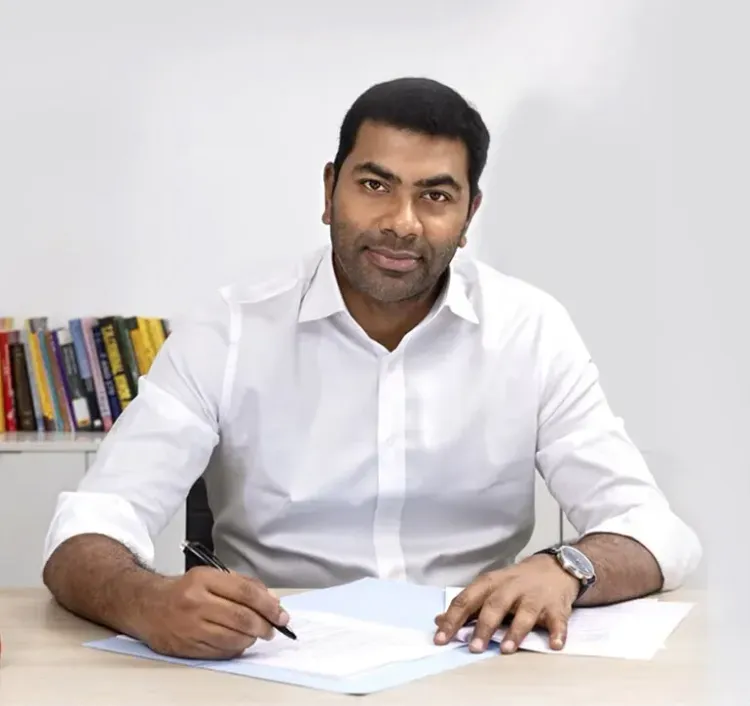
TN Minister Aadhav Arjuna slams Delhi crackdown on NEET protesters, demands abolition
Synopsis
Tamil Nadu Minister Aadhav Arjuna has called the Delhi police action against NEET paper leak protesters a 'crushing of democracy,' condemned the detention of Rahul Gandhi and Priyanka Gandhi, and renewed Tamil Nadu's demand for full NEET abolition — framing a state-level grievance as a national reckoning over centralised education policy.
Key Takeaways
Tamil Nadu Minister Aadhav Arjuna condemned the police crackdown on NEET paper leak protesters in New Delhi on 22 July .
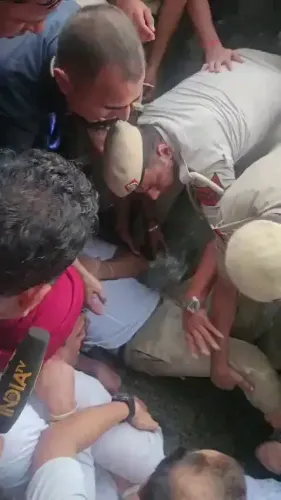
The Minister described the crackdown as a 'crushing of democracy' and said peaceful students were treated like criminals.
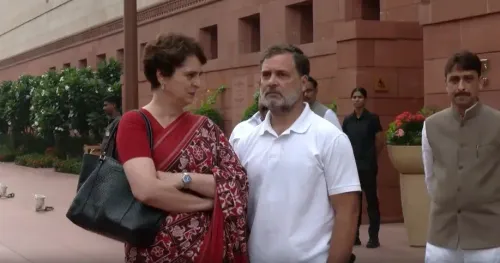
He condemned the detention of Rahul Gandhi and Priyanka Gandhi , calling it an attack on democratic values.
Aadhav Arjuna demanded the complete abolition of NEET and restoration of education to the State List .
Tamil Nadu's ruling DMK is expected to press the issue through parliamentary and legal channels.
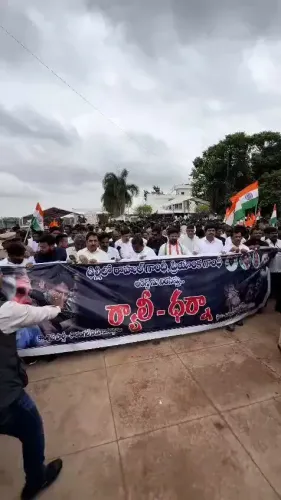
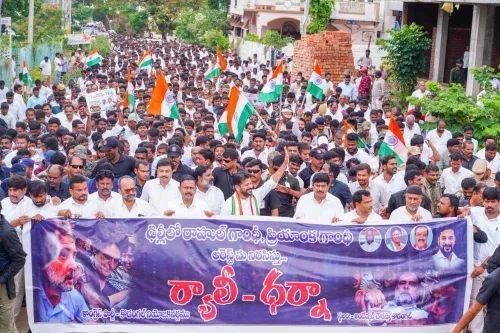
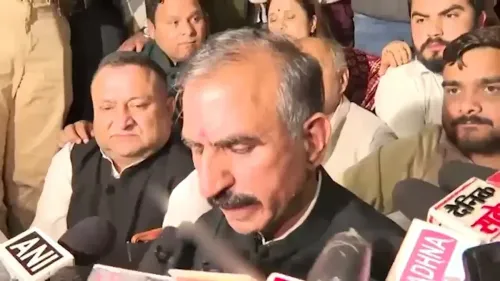
Tamil Nadu Minister for Public Works and Sports Development Aadhav Arjuna on 22 July sharply condemned the police action against students and Opposition leaders protesting the NEET paper leak in New Delhi, calling the crackdown a 'crushing of democracy' and reiterating the state government's firm demand for the complete abolition of the National Eligibility-cum-Entrance Test (NEET).
Minister's Statement on the Crackdown
In a post on social media platform X, Aadhav Arjuna said that peaceful student demonstrators had been treated like criminals by authorities in the national capital. He argued that the use of force against lawful protestors was unacceptable in a democratic country and warned that such heavy-handed responses would only intensify public resentment against the ruling dispensation at the Centre.
'The first voice of opposition to NEET echoed from Tamil Nadu, and today that voice has spread across the country,' the Minister said, asserting that what began as a state-level movement had evolved into a nationwide campaign for examination reform.
Detention of Rahul Gandhi and Priyanka Gandhi Condemned
Aadhav Arjuna also condemned the detention of Leader of the Opposition in the Lok Sabha, Rahul Gandhi, and Congress MP Priyanka Gandhi, who had joined the student protest in New Delhi. He described their detention as a direct assault on democratic values and accused the National Democratic Alliance (NDA) government at the Centre of attempting to silence voices demanding accountability and transparency.
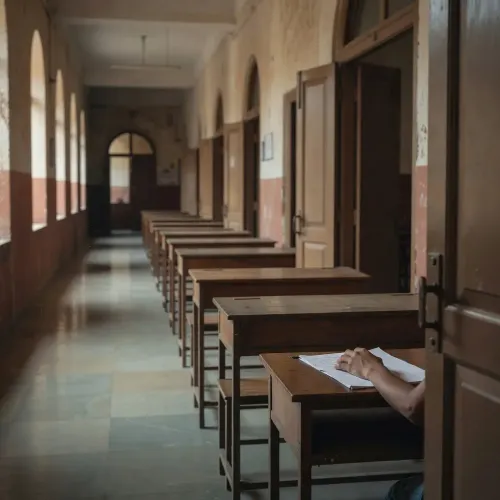
Notably, the detentions came amid a broader crackdown on demonstrators protesting the alleged NEET paper leak, a controversy that has drawn intense scrutiny over the integrity of India's centralised medical entrance examination system.
Tamil Nadu's Long-Standing Opposition to NEET
The Minister reiterated that Tamil Nadu was the first state to formally oppose NEET and that the state government would continue to pursue every constitutional and legal avenue to secure its abolition. He argued that the examination undermines state education systems and disproportionately limits opportunities for students from diverse socio-economic backgrounds.
Aadhav Arjuna called on the Union government to restore education to the State List of the Constitution, contending that individual states should retain greater authority over framing admission policies suited to their own educational ecosystems. This position reflects a long-running federal friction between Chennai and New Delhi over education policy, with Tamil Nadu having passed a state assembly resolution against NEET in the past.
Broader Context and What Comes Next
The NEET paper leak controversy has triggered protests across multiple states, with students and opposition parties accusing the Centre of mismanaging the examination process. The National Testing Agency (NTA), which administers NEET, has faced mounting calls for reform or dissolution. Critics argue that a single centralised test disadvantages students from state-board backgrounds and rural areas who lack access to expensive coaching infrastructure.
Tamil Nadu's push for NEET abolition is expected to intensify in Parliament, with the state's ruling Dravida Munnetra Kazhagam (DMK) likely to press the issue through legislative and legal channels. The outcome of ongoing court proceedings and parliamentary debate will determine whether the Centre moves toward structural reform of the medical admissions process.
Point of View
And the paper leak controversy has handed it fresh political ammunition at a national scale. What is underreported is the constitutional dimension: the demand to restore education to the State List strikes at the heart of cooperative federalism. If the Centre continues to conflate protest with disorder — detaining sitting MPs at a student demonstration — it risks converting a policy dispute into a broader legitimacy crisis.
NationPress
21 Oct 2026
Frequently Asked Questions
What did Tamil Nadu Minister Aadhav Arjuna say about the NEET protests in Delhi?
Aadhav Arjuna condemned the police crackdown on NEET paper leak protesters in New Delhi, calling it a 'crushing of democracy.' He said peaceful student demonstrators were treated like criminals and warned that such actions would deepen public resentment against the Centre.
Why were Rahul Gandhi and Priyanka Gandhi detained?
Rahul Gandhi and Priyanka Gandhi were detained by Delhi Police after joining student protests against the alleged NEET paper leak. Aadhav Arjuna condemned their detention as an attack on democratic values and accused the Centre of silencing voices demanding accountability.
What is Tamil Nadu's position on NEET?
Tamil Nadu has long opposed NEET, arguing it undermines state education systems and disadvantages students from diverse socio-economic backgrounds. The state government, led by the DMK, has demanded complete abolition of NEET and restoration of education to the State List of the Constitution.
What is the NEET paper leak controversy?
The NEET paper leak refers to allegations that question papers for the National Eligibility-cum-Entrance Test — India's centralised medical entrance exam — were leaked ahead of the examination. The controversy has triggered widespread protests and calls for reform or dissolution of the National Testing Agency (NTA).
What legal steps is Tamil Nadu planning over NEET?
According to Minister Aadhav Arjuna, the Tamil Nadu government will continue to pursue every constitutional and legal avenue to secure the abolition of NEET. The ruling DMK is expected to press the matter in Parliament and through ongoing court proceedings.