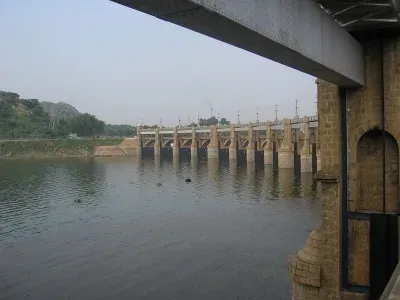
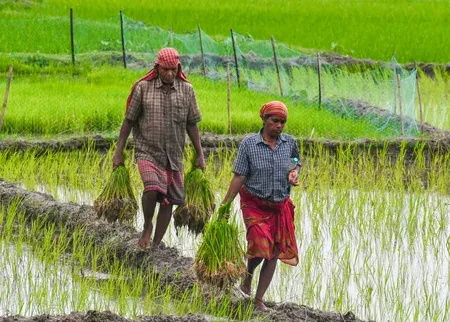
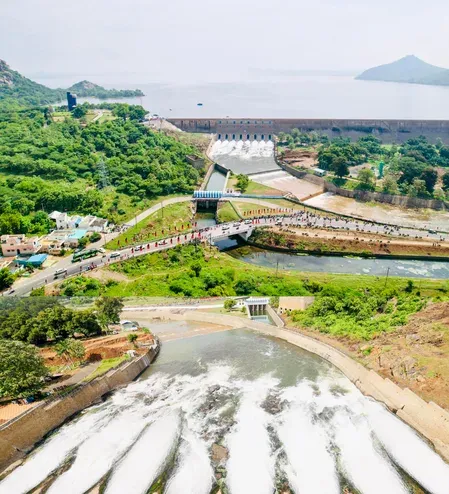
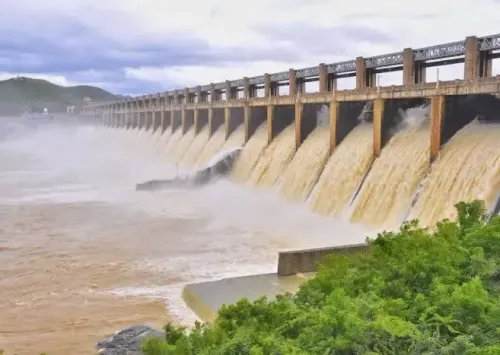
Mettur dam water release: Nagapattinam farmers urge 10-day delay over samba crop fears
Synopsis
Nagapattinam farmers are sounding the alarm over Tamil Nadu's plan to release Mettur dam water for just 45 days from 1 September — a window they say is dangerously short for samba paddy, especially since water takes 10 days just to reach the tail-end district. With Mettur storage low and saline groundwater offering no backup, the delta's samba season hangs on a monsoon that may arrive too late.
Key Takeaways
Nagapattinam farmers have urged the Tamil Nadu government to delay the Mettur dam water release — scheduled for 1 September — by at least 10 days .
The proposed 45-day release is considered insufficient for samba paddy , which requires at least 120 days of assured irrigation, according to farm leaders.
As a tail-end district, Nagapattinam receives Mettur water only after a transit lag of roughly 10 days , further shrinking usable supply.
Groundwater in large parts of the coastal district is saline, making farmers almost entirely dependent on Cauvery flows and the northeast monsoon .
In past deficit years, Mettur was opened on 6 September 2002 , 17 September 2012 , and 20 September 2016 — precedents cited by farmers to justify a later release this year.
Several farmers are switching to medium-duration ( 135-day ) or shorter paddy varieties to limit crop-loss risk under the constrained water schedule.
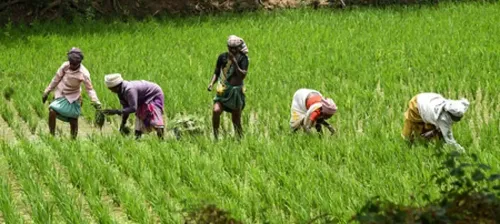
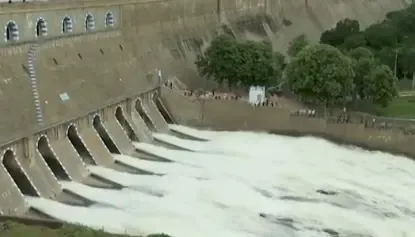
Farmers in Nagapattinam have urged the Tamil Nadu government to postpone the scheduled release of water from Mettur dam — set for 1 September — by at least 10 days, warning that the proposed 45-day supply window would be critically inadequate for samba paddy cultivation. The appeal echoes similar concerns raised by cultivators across other Cauvery delta districts, who fear standing crops could face a dangerous irrigation gap before the northeast monsoon arrives.
Why Nagapattinam Faces a Steeper Risk
As a tail-end district on the Cauvery delta, Nagapattinam is structurally disadvantaged: water released from Mettur typically takes around 10 days to reach local irrigation channels. This transit lag effectively shrinks the already-limited 45-day supply window, leaving farmers with far less usable water than the official release schedule implies.
Compounding the problem, groundwater across large stretches of the coastal district is saline and unsuitable for sustained irrigation. Farmers are therefore almost entirely dependent on Cauvery flows and the northeast monsoon — with little fallback if either source fails or is delayed.
What Farmers and Farm Leaders Are Saying
P. Senthil Kumar, a farmer from Thalainayar, said the proposed release duration would not meet Nagapattinam's irrigation needs, and that cultivators could face a serious crisis if the northeast monsoon is delayed or fails after the Mettur supply is stopped. Similar concerns have been raised in neighbouring Tiruvarur.
S.R. Tamilselvan of the Tamil Nadu Farmers Protection Association said the extent of samba cultivation this season would depend largely on monsoon arrival, given that Cauvery water is assured for only 45 days. CPI(M) state secretary P. Shanmugam argued that samba crops require at least 120 days of assured irrigation, and that the government's restricted release schedule had created confusion among delta farmers.
Tamil Nadu Farmers Association state general secretary Sami Natarajan said the government should have consulted farmers before fixing the release date — particularly given that Mettur storage levels are low and inflows have not met expectations. Pointing to earlier water-deficit years, Natarajan noted that the dam was opened on 6 September 2002, 17 September 2012, and 20 September 2016, and urged the government to follow a similar approach this year, releasing water in the second week of September so that the limited supply would be available during a more critical stage of samba cultivation.
How Farmers Are Adapting
Amid uncertainty over water availability, several farmers are shifting to medium-duration paddy varieties with a crop cycle of around 135 days. Others are considering shorter-duration varieties to reduce crop-loss risk and complete cultivation before irrigation availability becomes critical after January. These adjustments reflect a broader anxiety about the season's viability under the current release plan.
What Happens Next
The Tamil Nadu government has not yet publicly responded to the farmers' demand for a delay. With the 1 September release date imminent, farm associations are pressing for urgent consultation. The northeast monsoon's timing will be a decisive factor — a late or weak monsoon after the Mettur supply ends could leave samba crops in serious distress across the delta.
Point of View
Given the 10-day transit lag. That the government reportedly fixed the date without farmer consultation, even in a year of below-expectation Mettur inflows, points to a planning gap that recurs predictably across deficit seasons. The historical precedents — 2002, 2012, 2016 — suggest the government has delayed releases before when conditions warranted it; the question is why the same logic is not being applied this year. If the northeast monsoon falters after the Mettur supply ends, the cost will be borne entirely by delta farmers who had no seat at the table when the schedule was set.
NationPress
31 Aug 2026
Frequently Asked Questions
Why are Nagapattinam farmers asking for a delay in the Mettur dam water release?
Farmers say the planned 45-day release starting 1 September is too short for samba paddy cultivation, which needs at least 120 days of assured irrigation. They also point out that water takes about 10 days to reach Nagapattinam from Mettur, further reducing the effective supply window.
What is the significance of the northeast monsoon for Nagapattinam farmers?
The northeast monsoon is the primary fallback once Mettur water stops. Since groundwater in much of Nagapattinam is saline and unusable for irrigation, farmers depend heavily on both Cauvery flows and the monsoon. A delayed or weak monsoon after the Mettur supply ends could devastate standing samba crops.
What do farmers want the Tamil Nadu government to do?
Farmers are urging the government to postpone the Mettur release to the second week of September — broadly in line with the approach taken in deficit years like 2002, 2012, and 2016 — so that the limited water supply coincides with a more critical stage of samba cultivation.
How are farmers responding to the water uncertainty this season?
Several farmers in Nagapattinam are shifting to medium-duration paddy varieties with a 135-day crop cycle, while others are considering shorter-duration varieties to finish cultivation before irrigation becomes critical after January.
Has the Tamil Nadu government responded to the farmers' demand?
As of 31 August, the Tamil Nadu government had not publicly responded to the demand for a delay. Farm associations are pressing for urgent consultation before the scheduled 1 September release date.