Tamil Nadu health officials urge hospital masks amid respiratory infection surge
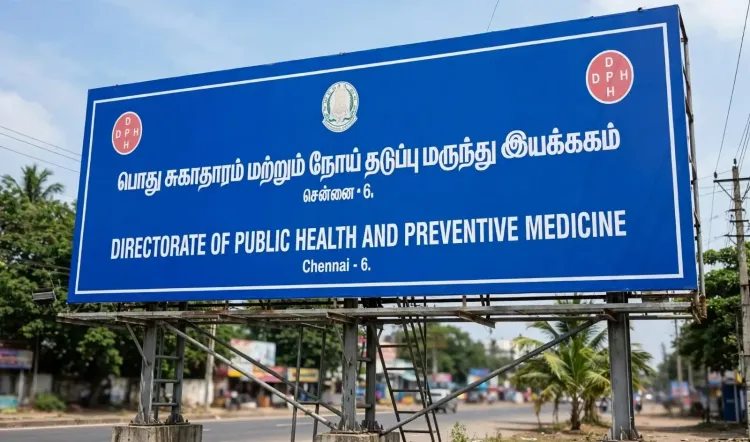
Synopsis
Tamil Nadu public health officials have sounded a respiratory alert — not for Covid alone, but for a broader wave of infections spreading in hospital waiting areas and corridors. With respiratory illnesses now outpacing dengue in case counts, officials are urging voluntary masking even as the state simultaneously battles dengue, scrub typhus, chickenpox, and measles.
Key Takeaways
Tamil Nadu public health officials issued a mask advisory for hospitals on 24 September 2026 .
Respiratory infections are reportedly spreading faster than dengue in the state, officials said.
Masking is not compulsory but strongly encouraged, especially in crowded outpatient and waiting areas.
The state is also monitoring cases of dengue , scrub typhus , Covid-19 , chickenpox , and measles .
Officials noted that masks address respiratory transmission specifically and do not protect against mosquito- or mite-borne diseases like dengue and scrub typhus.
Public health officials in Tamil Nadu have appealed to patients and visitors to wear masks inside hospitals, cautioning that respiratory infections are actively spreading — even as masking remains voluntary and not legally mandated. The advisory, issued on 24 September 2026, comes as the state grapples with a concurrent rise in multiple illnesses including dengue, scrub typhus, Covid-19, chickenpox, and measles.
Why Officials Are Worried
According to public health officials, respiratory infections are currently spreading faster and more widely than dengue across Tamil Nadu. 'Respiratory infections are spreading more than dengue in Tamil Nadu. Such infections can easily pass from one person to another. Yet patients and their relatives coming to hospitals are not wearing masks,' officials said.
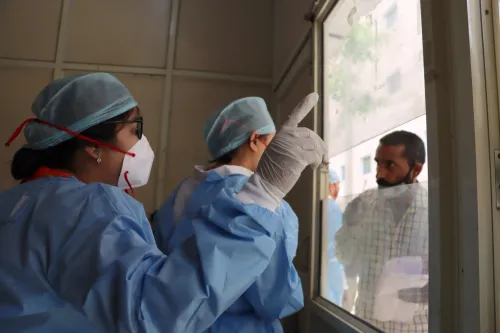
The concern centres on crowded hospital settings — registration counters, outpatient corridors, and waiting areas — where people with respiratory symptoms routinely mix with other patients and attendants who may be vulnerable. Officials noted that both government and private hospitals are seeing visitors arrive without any face protection.
What Each Disease Requires
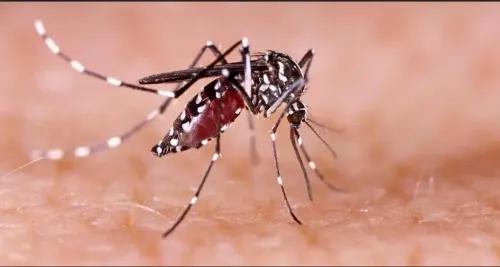
Officials were careful to clarify that masks address a specific transmission route and should not be seen as a blanket defence against all illnesses being monitored. Dengue spreads through the bite of an infected Aedes mosquito, while scrub typhus is linked to bites from infected mites — neither of which a mask can prevent.
Measles and chickenpox, however, can spread through the air and via respiratory secretions respectively, making masking directly relevant for those diseases. The advisory is therefore targeted at reducing airborne and droplet transmission of respiratory illnesses in healthcare settings — not at all the conditions currently circulating in the state.
Guidance for Patients and Attendants
Health guidance recommends that anyone with a cough or other respiratory symptom wear a mask while inside a healthcare facility. Hospitals have been advised to make masks and hand hygiene supplies readily available, and to consider separating patients who may pose a transmission risk to others.
Officials urged patients and their companions to act responsibly, noting that a person accompanying a patient may spend extended time in shared spaces where avoiding contact with symptomatic individuals is difficult. 'People should not dismiss the possibility of infection spreading during a hospital visit,' they said.
Broader Disease Burden in Tamil Nadu
The mask advisory sits within a wider seasonal health challenge for the state. Tamil Nadu has reported cases of dengue and scrub typhus alongside the respiratory illnesses, placing strain on outpatient departments. Each disease requires distinct preventive measures, and officials emphasised that the public should not conflate the precautions needed for one condition with those required for another.
With respiratory infections currently outpacing dengue in case counts, health authorities are expected to continue monitoring trends and may issue further guidance if the situation intensifies.
Point of View
And voluntary guidance rarely changes behaviour at scale. Tamil Nadu is managing at least five concurrent illnesses, each with a different transmission route — a logistical challenge that a single mask appeal cannot resolve. The fact that respiratory infections are now outpacing dengue in a state where dengue is endemic and heavily tracked should itself be a headline concern. Officials are right to raise the alarm, but voluntary advisories in crowded public hospitals historically see low compliance without visible enforcement or free mask distribution at entry points.
NationPress
24 Sept 2026
Frequently Asked Questions
Why are Tamil Nadu health officials asking people to wear masks in hospitals?
Officials say respiratory infections are spreading more rapidly than dengue across Tamil Nadu, and crowded hospital spaces make transmission easier. They have urged patients and visitors to wear masks voluntarily to reduce the risk of spreading or contracting respiratory illness during a hospital visit.
Is wearing a mask in Tamil Nadu hospitals compulsory?
No, masking is not legally mandated. The advisory is a voluntary appeal from public health officials, who say people should not underestimate the risk of picking up a respiratory infection in a healthcare setting.
Will a mask protect against dengue or scrub typhus?
No. Dengue spreads through infected mosquito bites and scrub typhus through infected mite bites — neither is stopped by a mask. The mask advisory applies specifically to respiratory illnesses that spread through droplets or the air, such as Covid-19, measles, and chickenpox.
Which diseases are currently being monitored in Tamil Nadu?
Health officials are tracking dengue, scrub typhus, Covid-19, chickenpox, and measles, in addition to respiratory infections. Each disease requires different preventive measures, and officials caution that precautions for one condition should not be confused with those needed for another.
What can hospitals do to help reduce respiratory transmission?
Officials advised hospitals to make masks and hand hygiene supplies readily available at entry points, and to consider separating patients with respiratory symptoms from others. Attendants and patients are urged to act responsibly in shared spaces such as registration areas, corridors, and outpatient departments.