Chennai dengue surge: 140 cases in 10 days as fever spike hits city suburbs
Synopsis
Chennai's dengue tally for just 10 days — 140 confirmed cases — is already within striking distance of the 160 cases logged across all of August. With Adyar, Anna Nagar and Valasaravakkam among the worst-hit zones, and Influenza A, Rhinovirus and RSV circulating simultaneously, the city is navigating a rare multi-pathogen health challenge at the peak of monsoon season.
Key Takeaways
More than 2,000 fever cases were reported across Chennai and its suburbs in just 10 days as of 13 September 2026 .
140 dengue cases were confirmed during this period — approaching August's full-month total of 160 dengue cases from 4,500 fever cases.
Adyar , Anna Nagar , and Valasaravakkam zones are reporting the highest concentration of cases.
Multiple respiratory viruses — Influenza A , Rhinovirus , and RSV — are circulating simultaneously alongside dengue.
Doctors warn against self-medication and urge immediate hospital visits for persistent fever, vomiting, severe fatigue, or bleeding symptoms.
Residents are advised to eliminate stagnant water , cover stored water, and use mosquito repellents especially during morning and evening hours.
Chennai and its surrounding suburban areas are experiencing a sharp surge in fever and dengue cases, with more than 2,000 fever cases reported across the city and its outskirts in just the past 10 days, health officials and doctors confirmed on 13 September 2026. Of these, 140 cases have been confirmed as dengue — a figure that is already approaching the 160 dengue cases recorded across the entire month of August, when total fever cases stood at around 4,500.
The rapid pace of new infections has raised concern among health professionals, who warn that the proportion of dengue positives within the broader fever caseload is climbing at an alarming rate. Authorities are closely monitoring the situation as patients continue to present at both government and private hospitals with fever, body pain, cough, and related symptoms.
High-Burden Zones Under Watch
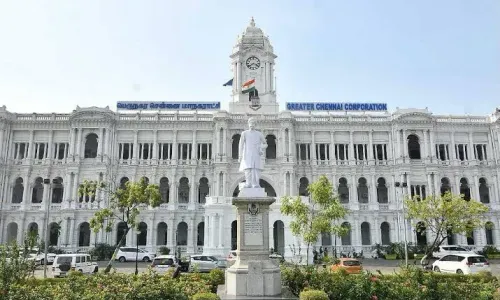
Localities including Adyar, Anna Nagar, and Valasaravakkam zones are among the areas recording a relatively high concentration of fever cases. Medical teams have been deployed to track the trend and respond to rising patient loads. Health authorities say the clustering in these zones suggests localised conditions — including stagnant water and higher population density — may be accelerating mosquito breeding and transmission.
Multiple Viruses Circulating Simultaneously
Beyond dengue, doctors have flagged that several respiratory viruses are in active circulation across Chennai. These include Influenza A, Rhinovirus, and Respiratory Syncytial Virus (RSV). Viral fever, doctors caution, can spread rapidly within households — especially in crowded living conditions — when an infected person does not take adequate precautions to isolate or limit contact.
This convergence of dengue and respiratory viruses simultaneously strains hospital resources and complicates clinical diagnosis, as overlapping symptoms can delay identification of dengue cases. Doctors have warned that delayed diagnosis increases the risk of severe dengue, which can cause internal bleeding and organ damage.
Medical Advice and Treatment Warnings
Health professionals have strongly advised residents against self-medication. Anyone experiencing fever should consult a qualified doctor and undergo the necessary diagnostic tests. Doctors cautioned that taking medicines without medical advice — particularly common pain relievers that can affect platelet counts — could seriously complicate dengue cases.
Immediate hospital evaluation is recommended for anyone presenting with persistent fever, severe body pain, vomiting, unusual fatigue, or bleeding symptoms. These can be indicators of dengue haemorrhagic fever, a potentially life-threatening condition.
Preventive Measures: What Residents Must Do
Authorities have issued a clear set of preventive guidelines to curb the spread. Residents are urged to ensure that water does not accumulate in flowerpots, discarded tyres, open containers, terraces, or open spaces around homes and commercial premises. Stored water must be kept covered, and containers must be cleaned regularly to eliminate mosquito larvae.
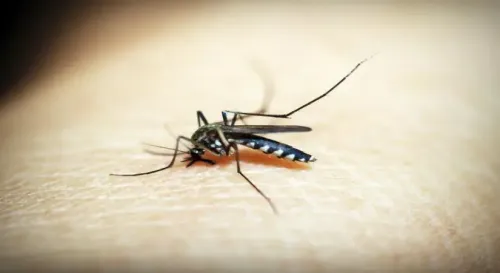
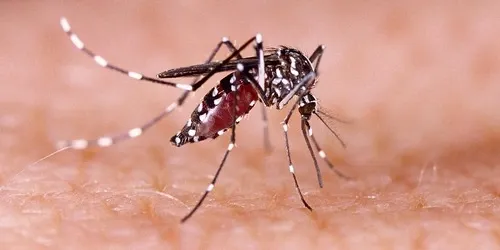
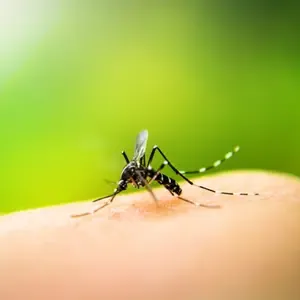
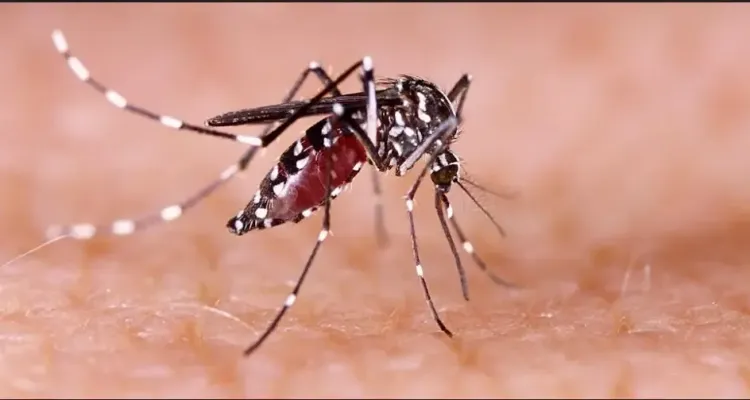
Health professionals have also stressed that garbage and waste must be cleared frequently from residential premises, construction sites, and surrounding areas. The use of mosquito nets, repellents, and protective clothing — particularly during early morning and evening hours, when the Aedes mosquito is most active — has been recommended as a frontline personal precaution.
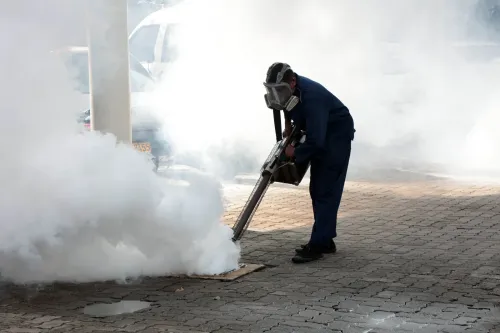
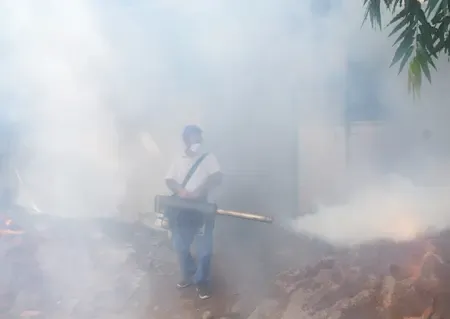
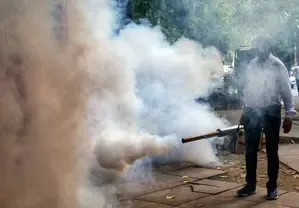
With the monsoon season sustaining conditions favourable for mosquito breeding, health authorities are expected to intensify surveillance and vector-control drives across the city in the coming weeks.
Point of View
Rhinovirus and RSV — a diagnostic overlap that risks dengue being misclassified as a routine viral fever until complications set in. The recurring geography of hotspots like Adyar and Anna Nagar raises questions about whether vector-control infrastructure in dense urban zones has kept pace with population growth and changing drainage patterns. Health authorities need to move beyond advisories and demonstrate measurable vector-suppression outcomes in identified clusters before the caseload compounds further.
NationPress
13 Sept 2026
Frequently Asked Questions
How many dengue cases have been reported in Chennai recently?
A total of 140 dengue cases were confirmed in Chennai and its suburbs in just the 10-day period leading up to 13 September 2026, out of more than 2,000 fever cases reported during the same period. This figure is already close to the 160 dengue cases recorded across the entire month of August.
Which areas of Chennai are most affected by the dengue surge?
Adyar, Anna Nagar, and Valasaravakkam zones are among the localities reporting a relatively high number of fever and dengue cases. Health authorities and medical teams are closely monitoring these areas as patient inflows at hospitals continue to rise.
What viruses are currently spreading in Chennai besides dengue?
Doctors have confirmed that Influenza A, Rhinovirus, and Respiratory Syncytial Virus (RSV) are actively circulating in Chennai alongside dengue. These respiratory viruses can spread rapidly in crowded households and share several symptoms with dengue, making early testing essential.
Why are doctors warning against self-medication for fever in Chennai?
Doctors warn that certain common medicines taken without a prescription — particularly non-steroidal anti-inflammatory drugs — can reduce platelet counts and worsen outcomes in dengue patients. Anyone with fever is advised to see a qualified doctor and get tested before taking any medication.
How can Chennai residents prevent dengue at home?
Residents should prevent water from accumulating in flowerpots, tyres, containers, and open spaces, and keep stored water covered. Using mosquito nets, repellents, and protective clothing during early morning and evening hours, when the Aedes mosquito is most active, is also recommended. Clearing garbage and waste regularly from homes and construction sites is critical to eliminating breeding grounds.