Chennai dengue surveillance intensified across 15 zones amid rain risk
Synopsis
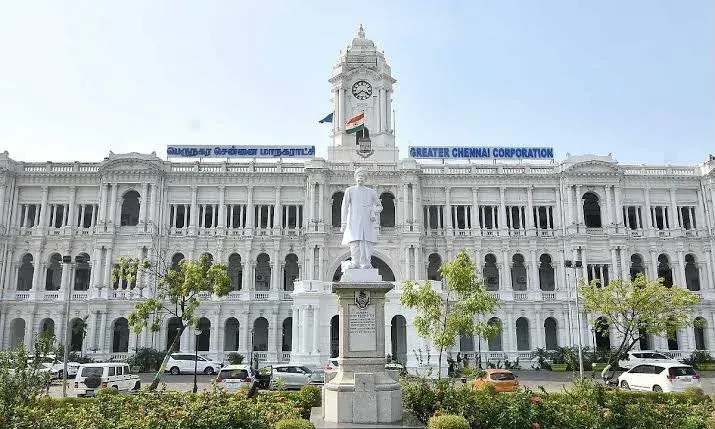
With intermittent rain turning Chennai's vacant plots, construction sites and flower-pot trays into potential mosquito nurseries, the Greater Chennai Corporation has mobilised health teams across all 15 city zones — ordering daily fever reports from private hospitals and door-to-door checks by field workers. The move signals that city authorities are treating this monsoon season as a high-risk window for dengue spread.
Key Takeaways
The Greater Chennai Corporation has intensified dengue surveillance across all 15 city zones as of 9 September .
The drive follows a review meeting chaired by Dr Somasundaram , Director of Public Health and Preventive Medicine.
Private hospitals must now submit daily fever reports to enable faster outbreak detection.
Priority inspection sites include vacant plots, schools, hospitals, parks and construction sites .
Residents have been advised to empty water from flower-pot trays and containers at least once a week and keep overhead tanks covered.
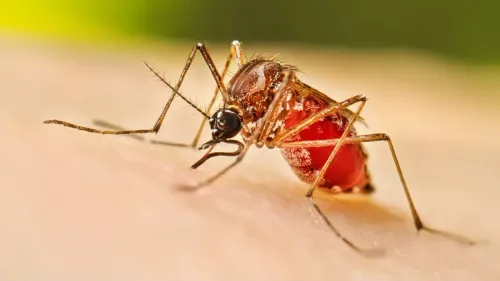
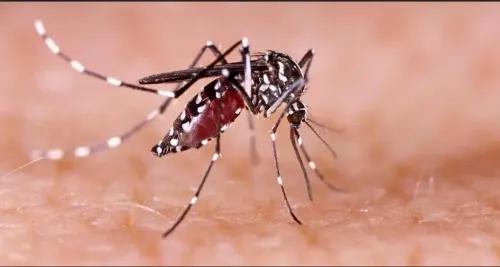
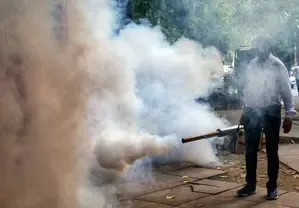
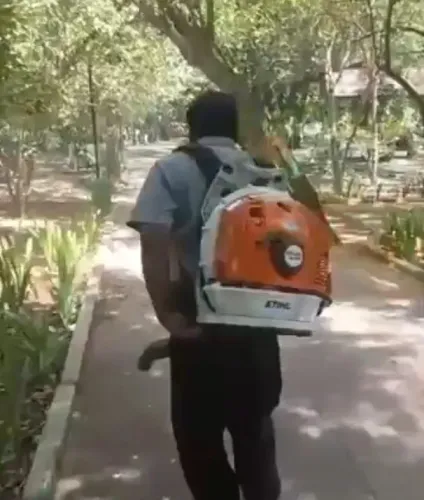
The Greater Chennai Corporation has stepped up dengue surveillance and mosquito-control operations across all 15 city zones following intermittent rainfall that has heightened the risk of water stagnation and the emergence of fresh mosquito-breeding sites, officials confirmed on 9 September. The civic drive is aimed at detecting fever cases early and preventing localised clusters from escalating into wider outbreaks during the ongoing wet spell.
What Triggered the Crackdown
The intensified measures followed a district-level review meeting chaired by Dr Somasundaram, Director of Public Health and Preventive Medicine. Zonal health officials were directed to maintain heightened surveillance in localities where dengue infections have already been reported and to ensure preventive work proceeds without delay. The review underscores growing concern that even brief, intermittent showers can create sufficient standing water to support mosquito breeding across the city's dense urban fabric.
Hospital Reporting and Field-Level Surveillance
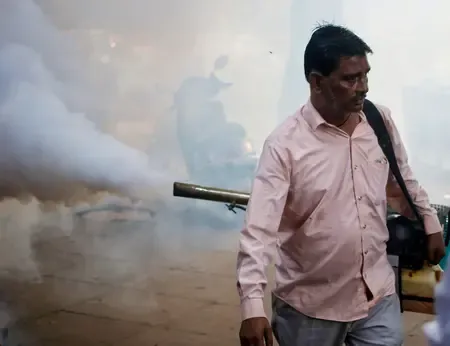
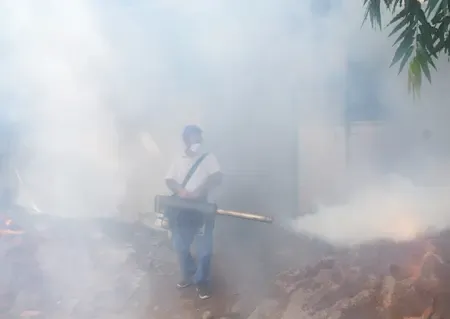
Private hospitals across Chennai have been asked to submit daily reports on patients receiving treatment for fever. The mandatory reporting mechanism is designed to give public health officials a near-real-time picture of potential outbreaks, allowing field teams to mobilise quickly in areas recording a spike in cases. Mosquito-control workers conducting door-to-door visits have additionally been instructed to gather information about residents suffering from fever and to escalate any such case immediately to the respective health inspector for verification and follow-up.
Source-Reduction Drive: Key Targets
Alongside surveillance, the Corporation has ordered an intensified campaign to clear discarded materials and objects capable of collecting rainwater. Vacant plots, hospitals, schools, government offices, parks and construction sites have been identified as priority locations where unattended containers and debris can quickly become breeding grounds. Officials are expected to inspect these vulnerable premises regularly and ensure that stagnant water is cleared without delay. The measures extend to private properties as well, reflecting the public health view that even small volumes of trapped water pose a meaningful risk after rainfall.
What Residents Are Being Asked to Do
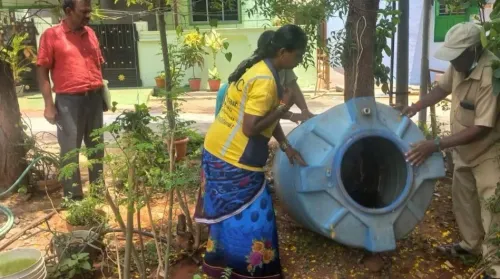
The civic body has urged residents to actively support the campaign by preventing waste accumulation around their homes. Households have been specifically advised to keep overhead tanks, ground-level tanks and wells properly covered, and to empty water collected in flower-pot trays and similar containers at least once every week. Terraces, balconies and yards should be checked for standing water after every spell of rain. Officials stressed that coordinated action by hospitals, field workers and residents is essential to containing dengue risk across Chennai through the remainder of the monsoon season.
Point of View
Field workers and residents into a single reporting chain — but the real test is enforcement consistency. Historically, source-reduction drives in Indian cities lose momentum within days of the initial push, particularly on private properties and construction sites where access is contested. The decision to mandate daily hospital fever reports is a sound epidemiological move, yet its value depends entirely on data flowing back to field teams fast enough to trigger same-day intervention. If the coordination holds, this could be a model for urban dengue containment; if it fragments, the wet season will do the rest.
NationPress
24 Oct 2026
Frequently Asked Questions
Why has the Greater Chennai Corporation intensified dengue surveillance now?
Intermittent rainfall across Chennai has increased the risk of water stagnation and the creation of new mosquito-breeding sites, prompting the civic body to step up operations across all 15 city zones. A district-level review chaired by the Director of Public Health and Preventive Medicine, Dr Somasundaram, directed the intensified response.
What are private hospitals in Chennai required to do during this drive?
Private hospitals have been asked to submit daily reports on patients being treated for fever. The mandatory reporting system is intended to give public health officials a near-real-time picture of potential dengue clusters so that field teams can respond quickly.
Which locations are being prioritised for mosquito-control inspections?
The Corporation has identified vacant plots, hospitals, schools, government offices, parks and construction sites as priority locations. These are places where unattended containers and debris can collect rainwater and become mosquito-breeding grounds.
What can Chennai residents do to help prevent dengue?
Residents are advised to keep overhead tanks, ground-level tanks and wells covered, empty water from flower-pot trays and containers at least once a week, and check terraces, balconies and yards for standing water after rainfall. Preventing waste accumulation around the home is also specifically recommended by the Corporation.
Who is overseeing Chennai's dengue prevention drive?
The drive is being coordinated by the Greater Chennai Corporation's health teams under guidance from Dr Somasundaram, Director of Public Health and Preventive Medicine, who chaired the district-level review meeting that triggered the intensified operations.