Chennai hospitals hit by flu, dengue surge — 12-hour waits ahead of monsoon
Synopsis
Chennai's private hospitals are buckling under a simultaneous surge in flu, dengue, and respiratory infections — with some patients waiting up to 12 hours for a bed in emergency departments. With the monsoon still approaching, doctors warn that stagnant water could push dengue transmission even higher, threatening to overwhelm an already stretched system.
Key Takeaways
Private hospitals across Chennai are seeing a sharp rise in respiratory infections , influenza (including H1N1) , and dengue cases ahead of the monsoon.
Emergency department wait times for beds have reached up to 12 hours at some facilities, with ICU-to-ward transfers also delayed.
Causative viruses include RSV , adenovirus , rhinovirus , and parainfluenza , alongside influenza and dengue.
Children, adolescents, elderly patients , and those with co-morbidities face the greatest risk of serious complications.
Doctors are urging residents to avoid self-medication, maintain hand hygiene, and wear masks in crowded spaces.
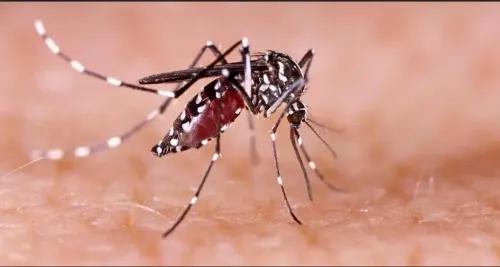
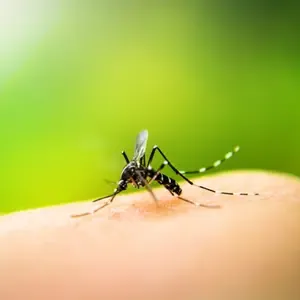
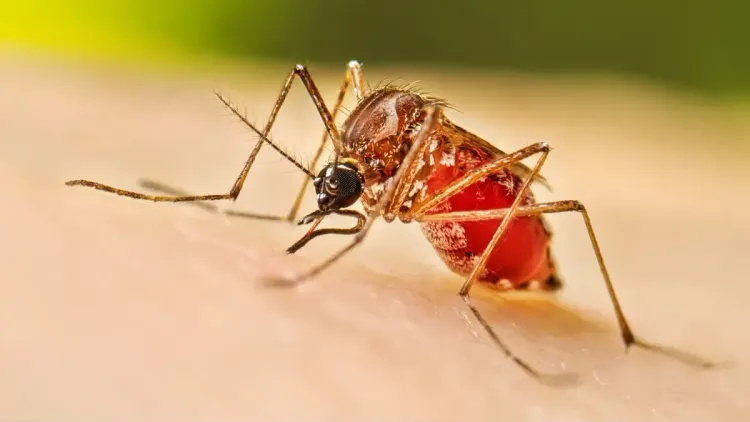
Approaching monsoon rains could worsen the dengue situation by creating more mosquito breeding grounds .
Private hospitals across Chennai are recording a sharp rise in patients presenting with respiratory infections, influenza, and dengue, straining outpatient departments and inpatient wards as the city heads into the monsoon season. Emergency department wait times for beds have stretched to as long as 12 hours at several facilities, with patients being shifted from Intensive Care Units to general wards also facing significant delays.
What Patients Are Experiencing
The most commonly reported symptoms include high fever, sore throat, cold, persistent cough, severe body and leg pain, chest discomfort, fatigue, and loss of appetite. Among children and adolescents, doctors are observing prolonged fever and extreme exhaustion; a small number have also developed confusion or delirium triggered by high fever.
Some patients require nebulisation or intravenous fluids, which has contributed directly to the spike in hospital admissions. Doctors say early medical attention is particularly critical for those presenting with breathing difficulties, persistent high fever, or signs of dehydration.
What Doctors Are Saying
Dr R. Rajammal, an infectious diseases expert at a private hospital in Chennai, described conditions at emergency departments as severely stretched. 'When patients come into the emergency room, the wait for a room or bed extends up to 12 hours. Similarly, patients who need to be shifted out of the ICU have long waits for rooms or beds in general wards. The waiting time in outpatient units has also increased considerably,' she said.
Doctors across multiple city hospitals have confirmed similar trends. While most infections are mild and resolve with medication, rest, and hydration, they caution that elderly patients and those with co-morbidities remain at heightened risk of complications. Fatalities, though uncommon, can occur in vulnerable groups.
Viruses Behind the Surge
Respiratory illnesses driven by viruses including respiratory syncytial virus (RSV), adenovirus, rhinovirus, and parainfluenza account for a large share of the current caseload. Influenza, including the H1N1 strain, and dengue are also being diagnosed frequently. Doctors have advised residents against ignoring fever or resorting to self-medication, especially when symptoms persist beyond a few days.
Monsoon Risk and Precautions
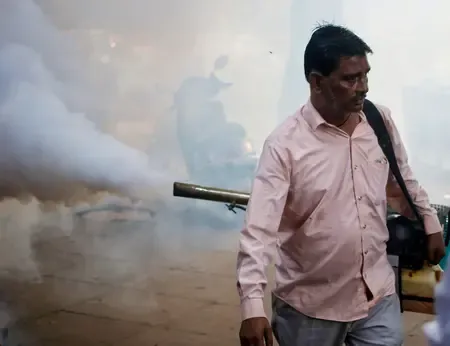
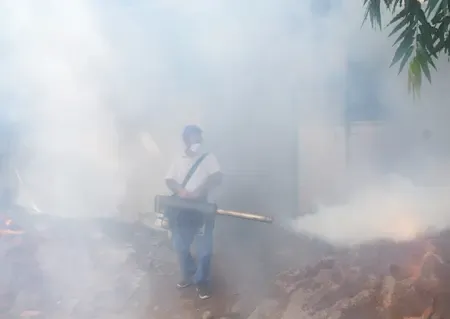
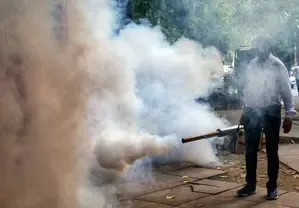
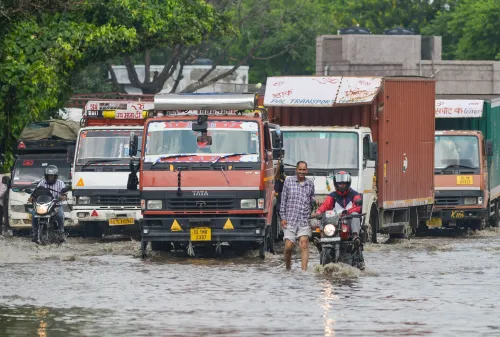
With the monsoon approaching, doctors have warned that stagnant water could accelerate mosquito breeding and amplify dengue transmission across the city. They have called for intensified municipal mosquito-control drives and greater public awareness campaigns to prevent a further escalation in case numbers.
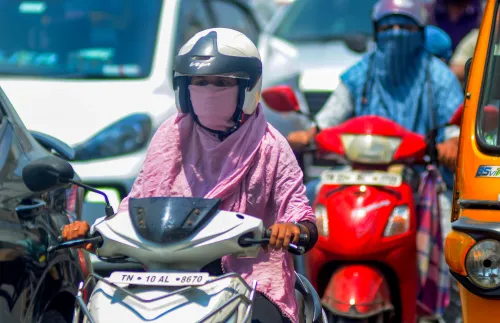
Residents are being urged to maintain hand hygiene, avoid close contact with infected individuals, and wear masks in crowded spaces if they are experiencing respiratory symptoms. This surge follows a seasonal pattern seen in prior pre-monsoon periods in Tamil Nadu, but healthcare workers say the current strain on hospital infrastructure is notably acute.
Point of View
Calibrated for routine seasonal illness, is visibly inadequate for simultaneous multi-pathogen surges. What is striking is that this crisis is arriving before the monsoon peaks, meaning the worst — in terms of dengue — may still be ahead. The broader concern is the near-absence of real-time public health data: residents and administrators are learning about the surge through hospital queues rather than early-warning dashboards. If Tamil Nadu's public health infrastructure does not activate mosquito-control and surveillance protocols immediately, the post-monsoon window could see case numbers that make today's overcrowding look manageable.
NationPress
22 Sept 2026
Frequently Asked Questions
Why are Chennai hospitals overcrowded in September 2026?
Hospitals in Chennai are witnessing a simultaneous surge in respiratory infections, influenza (including H1N1), and dengue, leading to overcrowded OPDs and packed wards. Emergency wait times for beds have stretched to 12 hours at some facilities, driven partly by the approaching monsoon season that typically elevates infection rates.
Which viruses are causing the respiratory illness surge in Chennai?
Respiratory syncytial virus (RSV), adenovirus, rhinovirus, and parainfluenza are behind the bulk of respiratory cases, according to doctors. Influenza, including the H1N1 strain, and dengue are also being diagnosed frequently across the city.
Who is most at risk during Chennai's flu and dengue outbreak?
Elderly patients and those with underlying co-morbidities face the highest risk of serious complications or fatalities, though these outcomes remain uncommon. Children and adolescents are experiencing prolonged fever, extreme exhaustion, and, in a small number of cases, confusion or delirium triggered by high fever.
What precautions should Chennai residents take during this outbreak?
Doctors advise maintaining hand hygiene, avoiding close contact with infected persons, and wearing masks in crowded places when experiencing respiratory symptoms. Residents are also urged not to ignore persistent fever or self-medicate, and to seek early medical attention for breathing difficulties or signs of dehydration.
How could the monsoon worsen the dengue situation in Chennai?
Stagnant water accumulated during monsoon rains creates ideal mosquito breeding conditions, which can significantly increase dengue transmission. Doctors have called for intensified municipal mosquito-control measures and broader public awareness campaigns before the monsoon intensifies.