CM Fadnavis hands over keys to Mumbai sanitation workers under Ashray Yojana Phase 2
Synopsis
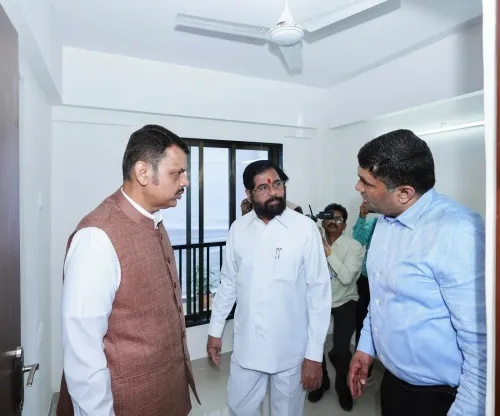
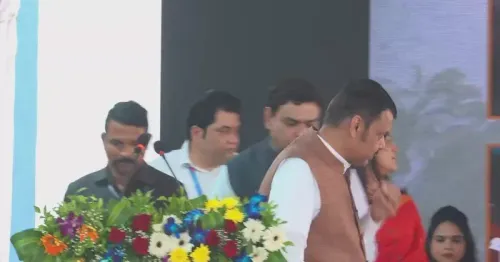
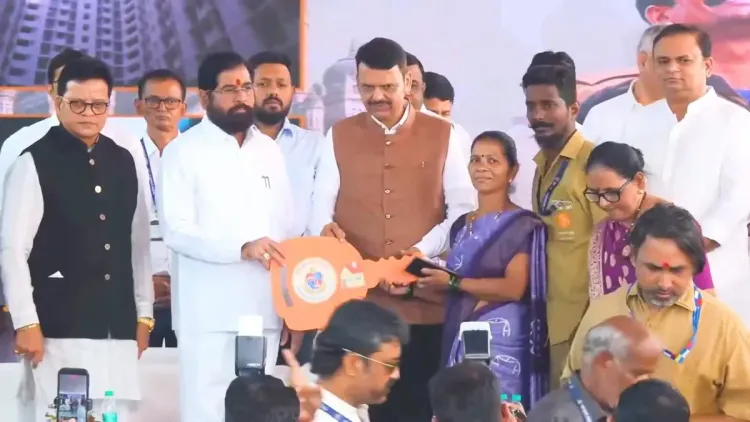
Chief Minister Devendra Fadnavis distributed keys to newly constructed quarters for Mumbai sanitation workers under Phase 2 of the Ashray Yojana Cell on 6 November 2026, with Deputy CM Eknath Shinde, Assembly Speaker Rahul Narwekar, and Mumbai Mayor Ritu Tawde present at the ceremony.
Key Takeaways
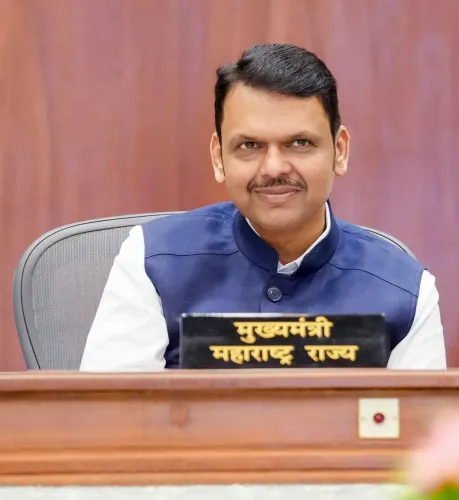
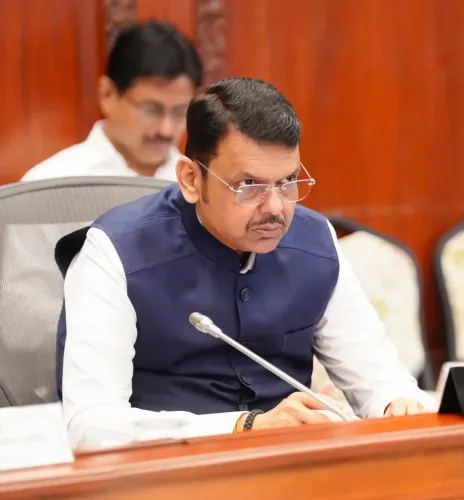
CM Devendra Fadnavis personally handed over keys to sanitation workers on 6 November 2026 in Mumbai .
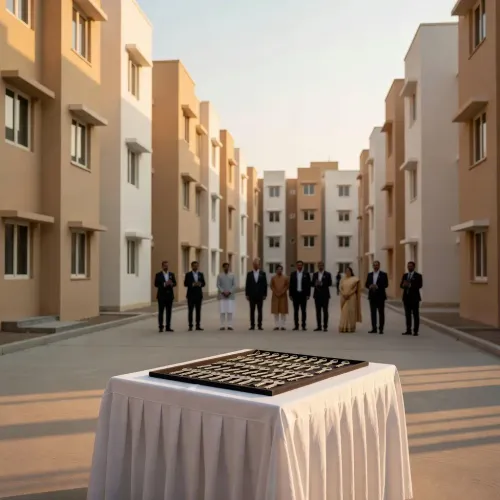
The quarters were built under Phase 2 of the Ashray Yojana Cell , a targeted state housing scheme for municipal sanitation workers.
Deputy CM Eknath Shinde , Assembly Speaker Rahul Narwekar , and Mumbai Mayor Ritu Tawde attended the ceremony.
Ashray Yojana is distinct from general public housing — it is exclusively for urban sanitation and civic workers.
The event marks delivery of completed units, not a new announcement or foundation-stone laying.
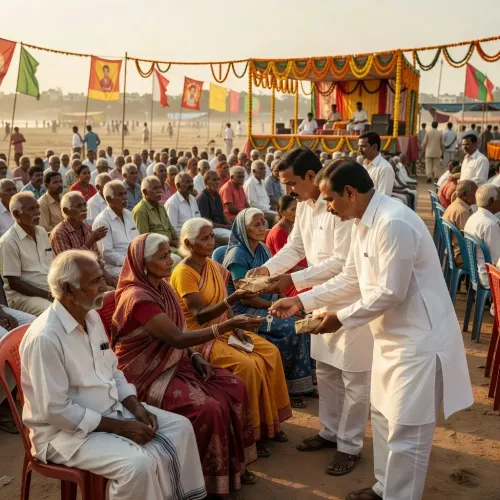
Thousands of Mumbai's sanitation workers — the city's most invisible workforce — moved a step closer to secure housing on Friday, 6 November 2026, when Chief Minister Devendra Fadnavis personally distributed keys to newly constructed quarters under Phase 2 of the Ashray Yojana Cell in Mumbai.
Who was in the room — and what that signals
The ceremony drew a rare convergence of Maharashtra's top constitutional and civic leadership. Assembly Speaker Adv. Rahul Narwekar, Deputy Chief Minister Eknath Shinde, and Mumbai Mayor Ritu Tawde were all present alongside senior officials — a lineup that underscores the political weight the Mahayuti government is placing on this worker-welfare moment.
The trilingual post from the Chief Minister's Office — in Marathi, English, and Hindi — framed the handover with the Marathi headline 'मुंबईतील सफाई कर्मचाऱ्यांना मिळणार हक्काची घरे!' ('Sanitation workers of Mumbai will get homes they deserve!'). The exclamation was deliberate. This is a government signalling delivery, not just intention.
What the Ashray Yojana actually does
Ashray Yojana is a Maharashtra state housing scheme specifically targeted at municipal sanitation workers — the sweepers, waste handlers, and drain cleaners employed by civic bodies like the Brihanmumbai Municipal Corporation (BMC). Unlike general public housing programmes, it is a targeted urban labour welfare scheme designed to provide quarters close to or within the city where workers are deployed.
Phase 2 represents the construction of a fresh tranche of residential units, building on the scheme's earlier rollout. Maharashtra governments have periodically expanded such housing support for municipal sanitation staff in major cities, reflecting a broader state-municipal coordination model on worker welfare.
Why sanitation workers in Mumbai need this
Mumbai's sanitation workforce operates at the sharp end of one of India's densest urban environments, yet secure, affordable housing inside the city has long been out of reach for most. Long commutes, informal tenancies, and congested shared accommodation have been chronic features of their lives. A government-built quarter — with a key to call their own — changes that calculus directly.
The event at 11:25 am on 6 November 2026 was not a foundation-stone laying or a promise. Keys changed hands. That is the story.
Point of View
Deputy Chief Minister, Assembly Speaker, and Mumbai Mayor at a single ceremony for sanitation workers — a constituency with high symbolic value but historically low political visibility — the government is signalling that urban labour welfare is a deliverable, not just a policy line. The targeting of a specific worker category, rather than broad public housing, reflects a sharper segmentation of welfare politics in Maharashtra. Watch for whether Phase 3 announcements follow and whether unit numbers are disclosed to gauge the scheme's true scale.
NationPress
6 Nov 2026
Frequently Asked Questions
What is the Ashray Yojana for sanitation workers in Maharashtra?
Ashray Yojana is a Maharashtra state housing scheme that provides government-built residential quarters specifically to municipal sanitation workers, separate from general public housing programmes.
What happened at the Ashray Yojana Phase 2 event on 6 November 2026?
Chief Minister Devendra Fadnavis distributed keys to newly constructed quarters for sanitation workers under Phase 2 of the Ashray Yojana Cell in Mumbai on 6 November 2026.
Who attended the Ashray Yojana key distribution ceremony in Mumbai?
The ceremony was attended by Deputy Chief Minister Eknath Shinde, Assembly Speaker Adv. Rahul Narwekar, Mumbai Mayor Ritu Tawde, and senior officials.
Which city are the Ashray Yojana Phase 2 quarters located in?
The newly constructed quarters under Phase 2 of the Ashray Yojana Cell are located in Mumbai.
How is Ashray Yojana different from other housing schemes in Maharashtra?
Unlike general public housing programmes, Ashray Yojana is a targeted urban labour welfare scheme exclusively for municipal sanitation and civic workers employed by bodies like the BMC.