CM Fadnavis inaugurates BMC housing for sanitation workers in Colaba
Synopsis
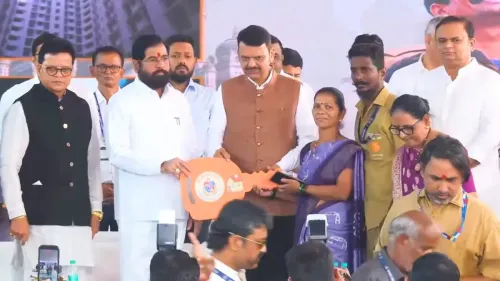
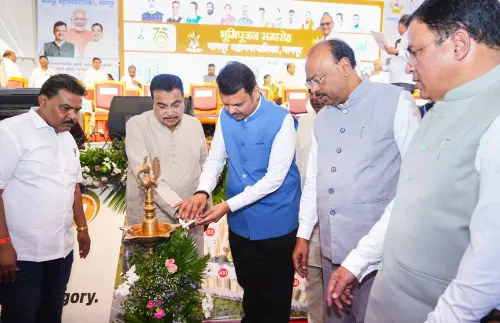
Chief Minister Devendra Fadnavis inaugurated Phase-2 housing units for BMC sanitation workers under the Ashray Yojana in Colaba, Mumbai on 6 November 2026, marking a fresh push to provide permanent shelter to the city's frontline civic workforce.
Key Takeaways
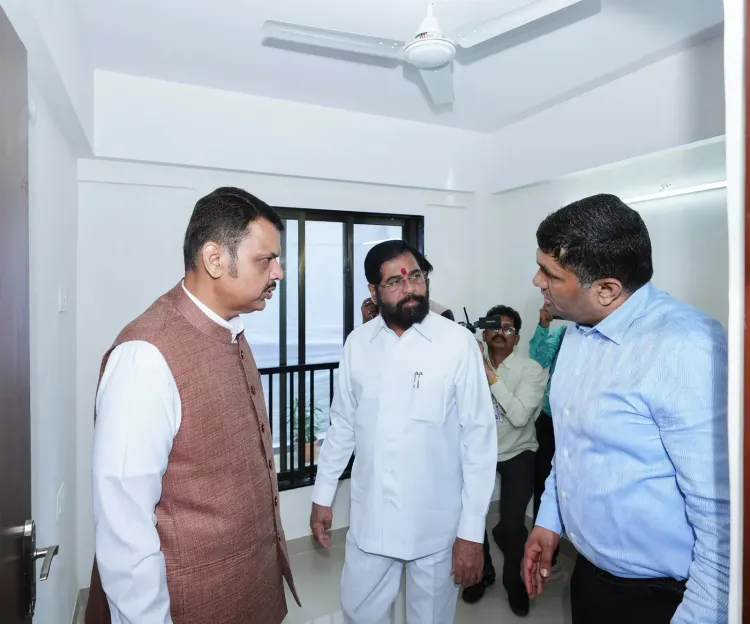
CM Devendra Fadnavis formally inaugurated and inspected newly built residential flats for sanitation workers in Colaba, Mumbai on 6 November 2026 .
The units are part of Phase-2 of the Ashray Yojana , the BMC's dedicated housing scheme for its sanitation workforce.
Senior political figures including Eknath Shinde and Ritu Tawde were acknowledged at the event, reflecting broad coalition support.
The scheme addresses the acute challenge of affordable housing for civic workers in one of Asia's most expensive real-estate markets.
Remaining phases of the Ashray Yojana and similar projects in other Maharashtra municipal corporations are now in the spotlight.
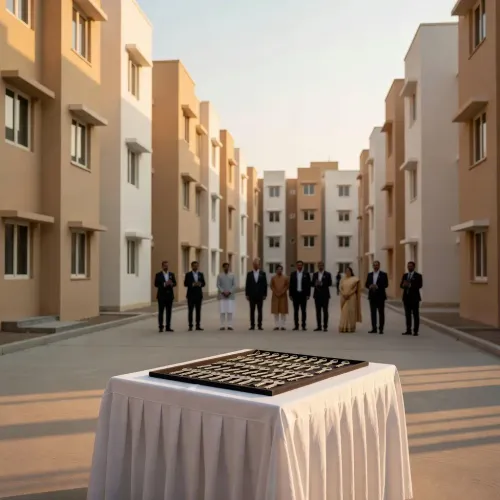
Homes — not headlines — marked the moment in Colaba, Mumbai on Friday, 6 November 2026. Chief Minister Devendra Fadnavis personally inaugurated and inspected newly constructed residential units built by the Brihanmumbai Municipal Corporation (BMC) for its sanitation workers under Phase-2 of the Ashray Yojana, a dedicated housing scheme for the city's frontline civic staff.
What Ashray Yojana Phase-2 means for Mumbai's sanitation workers
The Ashray Yojana — literally 'shelter scheme' — is the BMC's flagship programme to provide permanent residential quarters to its sanitation workforce, a community that keeps the country's financial capital running but has long struggled to find affordable housing within the city. Phase-2 represents the latest tranche of units delivered under the scheme, with CM Fadnavis conducting a walkthrough of the newly built flats in Colaba to mark their formal handover.
The loksarpan (public dedication) ceremony brought together senior political figures, with tags in the official post acknowledging Deputy CM Eknath Shinde, senior BJP leader Ritu Tawde, and Sanjay Ghadi, among others — a signal of cross-coalition weight behind the welfare initiative. BMC Commissioner-level coordination is reflected by the tagging of the civic body's official handle, underscoring the project's institutional depth.
BMC's long commitment to civic-worker welfare in Mumbai
Maharashtra governments have, over the years, backed dedicated housing drives for municipal sanitation staff, recognising that dignified accommodation is inseparable from worker retention and urban service quality. The BMC, as India's wealthiest municipal body, has periodically funded and constructed such quarters — but demand has consistently outpaced supply in a city where real-estate costs are among the highest in Asia.
Ashray Yojana is designed to close that gap incrementally, phase by phase. With Phase-2 now delivered in South Mumbai's Colaba precinct, attention turns to whether the remaining phases — and similar schemes in Pune, Nagpur, and other Maharashtra municipal corporations — can be accelerated.
The workers at the centre of the moment
Sanitation workers employed by the BMC form one of the city's most essential but least visible workforces. Secure, proximate housing reduces commute burdens, improves response times during civic emergencies, and delivers a tangible improvement in quality of life. For families who have spent years in transit camps or distant informal settlements, these new flats represent a material shift — not a symbolic one.
The inauguration is a reminder that urban welfare policy, at its most consequential, is measured not in grand announcements but in keys handed over.
Point of View
Utilities, direct transfers — to consolidate its standing with organised civic-worker communities ahead of future electoral cycles. For the BMC, which commands India's largest municipal budget, such projects also serve as proof-of-execution in a city where infrastructure ambition has often outrun delivery. The event's multi-leader optics signal that worker welfare is being framed as a coalition-wide achievement rather than a single-party claim. Whether the remaining phases and cross-city rollout can sustain the same pace will determine whether Ashray Yojana becomes a genuine policy legacy or a periodic headline.
NationPress
6 Nov 2026
Frequently Asked Questions
What is the Ashray Yojana for BMC sanitation workers?
Ashray Yojana is a housing scheme run by the Brihanmumbai Municipal Corporation to construct and allot permanent residential units to its sanitation workers, helping them live closer to their work in one of India's most expensive cities.
What happened at the Ashray Yojana Phase-2 inauguration in Colaba?
Chief Minister Devendra Fadnavis inaugurated and personally inspected newly built flats for BMC sanitation workers at Colaba, South Mumbai, on 6 November 2026, formally dedicating the units to the workforce.
Where are the new BMC sanitation worker housing units located?
The Phase-2 units are located in Colaba, a locality in South Mumbai, and were constructed by the Brihanmumbai Municipal Corporation.
Who else attended the Ashray Yojana Phase-2 event with CM Fadnavis?
The Chief Minister's Office post acknowledged several leaders including Deputy CM Eknath Shinde, Ritu Tawde, Sanjay Ghadi, Rahul Narwekar, and Ganesh Khankar, alongside the BMC's official handle.
Will Ashray Yojana expand to other cities in Maharashtra?
The scheme's future phases and expansion to other municipal corporations such as Pune and Nagpur are being watched closely, though no specific timelines have been officially announced as yet.