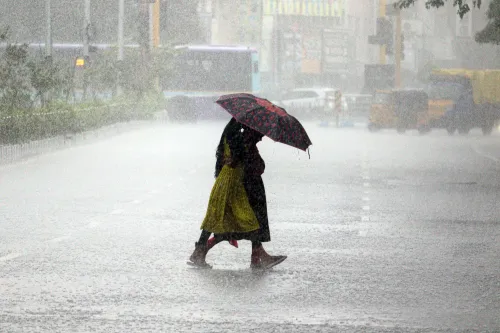
TNPDCL monsoon safety guidelines 2026: What residents and workers must know
Synopsis
As the northeast monsoon intensifies over Tamil Nadu, TNPDCL has rolled out detailed electrical safety rules covering everything from not touching fallen wires to mandatory RCCB installations — and has put field crews on alert to prioritise hospitals and water supply points. The advisory is a timely reminder of how monsoon-season electrocution risk spikes when infrastructure meets floodwater.
Key Takeaways
TNPDCL issued northeast monsoon electrical safety guidelines on 22 October 2026 for residents and field workers across Tamil Nadu .
Residents must avoid electric poles, transformers, power lines, and stagnant water near electrical installations.
Snapped or fallen wires must never be touched; the public should report hazards to Minnagam on 94987 94987 via call or WhatsApp.
Households are advised to install Residual Current Circuit Breakers (RCCBs) with the help of qualified electricians.
Field workers must wear helmets, insulating gloves, safety footwear, and safety belts and obtain permission before beginning any repairs.
Priority for power restoration must go to hospitals, drinking water facilities, telecom infrastructure, and crowded public spaces .
The Tamil Nadu Power Distribution Corporation Limited (TNPDCL) has issued a comprehensive set of monsoon safety guidelines for both residents and electricity field workers ahead of the northeast monsoon season, warning that heavy rain, strong winds, and lightning can cause electrical leakage, serious accidents, and fatalities. The advisory, released on 22 October 2026, covers everything from household precautions to protocols for repair crews working in hazardous conditions.
Key Safety Rules for Residents
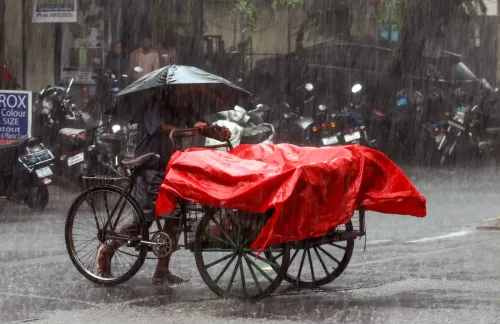
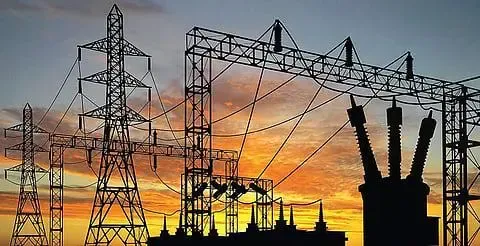
TNPDCL has urged the public to maintain a safe distance from electric poles, transformers, distribution boxes, power lines, and stay wires. Residents must avoid wading through stagnant rainwater near any electrical installations, as waterlogging around such infrastructure significantly raises the risk of electrocution.
Snapped or fallen wires on roads or in flooded areas must never be touched or removed. The public is advised to keep children away, warn passersby, and immediately contact the electricity department. Tree branches in contact with power lines must only be cleared by authorised personnel — under no circumstances should residents attempt this themselves.
During thunderstorms, people should seek shelter inside safe, enclosed buildings and avoid open spaces, isolated trees, electric poles, and overhead wires. Staying away from open windows and metal grills during lightning is also recommended. Using electrical appliances and landline telephones during active thunderstorms must be avoided.
Household Electrical Precautions
Households have been warned against operating appliances with wet hands or touching damp switches and walls affected by water seepage. If electrical leakage is suspected inside a home, the power supply should be disconnected only when it is safe to do so. The corporation has also cautioned against tying cattle to poles or wires, drying clothes on electrical wires, or using electrical infrastructure to support banners or temporary structures.
Residents are encouraged to engage qualified electricians to install Residual Current Circuit Breakers (RCCBs) and to periodically inspect household wiring and protective devices. TNPDCL noted, however, that RCCBs cannot provide complete protection in the absence of proper insulation.
How to Report Electrical Hazards
Complaints related to outages, snapped wires, leakage, or damaged infrastructure can be reported to Minnagam on 94987 94987 via phone call or WhatsApp. The helpline is intended to ensure rapid response to hazardous conditions during the monsoon period.
Safety Protocols for Field Employees
For electricity workers, TNPDCL has specified that all repairs must begin only after obtaining the requisite permission, confirming supply disconnection, and completing prescribed safety measures, including proper earthing. Field staff are required to wear helmets, insulating gloves, safety footwear, and safety belts at all times during fieldwork.
Waterlogged sites must undergo a safety inspection before any work commences. Hazardous locations must be barricaded and marked with warning signs to prevent unauthorised public access. Field teams are directed to give priority to restoring power at drinking water installations, hospitals, telecommunications facilities, and crowded public spaces.
TNPDCL has also instructed staff to keep equipment, protective gear, vehicles, and replacement materials in a state of readiness. Hazardous work during severe weather must be deferred, and emergency repairs should only proceed after ensuring personnel safety and proper inter-team coordination.
With the northeast monsoon set to intensify across Tamil Nadu in the coming weeks, the guidelines are expected to be reinforced through field-level briefings and public communication campaigns by the corporation.
Point of View
But the risks they address are anything but routine — electrocution during monsoons is a recurring and preventable cause of civilian death in Tamil Nadu. TNPDCL's inclusion of field-crew protocols alongside public guidelines is notable; in past incidents, worker fatalities during storm-repair operations have often been traced to inadequate pre-work safety checks. The advisory's emphasis on RCCBs is well-placed, though its effectiveness depends on uptake in older housing stock where wiring is rarely inspected. Whether this guidance translates into measurable safety outcomes will depend on enforcement and follow-through at the local electricity board level.
NationPress
22 Oct 2026
Frequently Asked Questions
What safety steps has TNPDCL advised during the northeast monsoon?
TNPDCL has advised residents to stay away from electric poles, transformers, and power lines, avoid wading through waterlogged areas near electrical installations, and never touch fallen or snapped wires. During thunderstorms, people should shelter inside safe buildings and avoid using electrical appliances.
How can residents report snapped wires or electrical hazards during the monsoon?
Residents can report outages, snapped wires, leakage, or damaged infrastructure to TNPDCL's Minnagam helpline on 94987 94987 via phone call or WhatsApp. Prompt reporting helps field teams respond before further accidents occur.
What is an RCCB and why is TNPDCL recommending it?
A Residual Current Circuit Breaker (RCCB) is a safety device that cuts power when it detects an unintended electrical path, such as a leakage through a person. TNPDCL recommends installing RCCBs with the help of qualified electricians as an added safeguard, though it has cautioned that they cannot provide complete protection without proper insulation.
What precautions must TNPDCL field workers follow during monsoon repairs?
Field employees must obtain prior permission, confirm supply disconnection, and complete earthing before starting any repair work. They are required to wear helmets, insulating gloves, safety footwear, and safety belts, and must inspect waterlogged sites before beginning work.
Which locations get priority for power restoration during the northeast monsoon?
TNPDCL has directed field teams to prioritise power restoration at drinking water installations, hospitals, telecommunications facilities, and crowded public spaces, given their critical importance to public health and safety during heavy rain events.