Tamil Nadu mango industrial corridor: 5 processing parks planned for Dharmapuri-Krishnagiri
Synopsis
Tamil Nadu's Vetri Tamizhagam Vision document proposes turning Dharmapuri and Krishnagiri — home to 51,000 hectares of mango cultivation — into a dedicated industrial corridor with five integrated processing parks. But with production down to as low as 1.5 lakh tonnes this year from 3 lakh tonnes last year, and processors struggling to clear existing stocks, the corridor's ambition must contend with both climatic stress and a demand gap that growers say the government has yet to address.
Key Takeaways
Tamil Nadu proposes a mango industrial corridor across Dharmapuri and Krishnagiri districts under its Vetri Tamizhagam Vision document.
Five integrated mango processing parks with cold storage and pulp manufacturing units are planned, along with a dedicated value-addition centre .
The two districts together have approximately 51,000 hectares under mango cultivation; Krishnagiri alone has 24 pulp processing industries .
Mango production in the region is estimated at 1.5–2 lakh tonnes this year, down from nearly 3 lakh tonnes in the previous year.
Industry body Krishnagiri Mango Pulp Processors' Federation is only partially satisfied, urging the government to boost domestic consumption, including via the mid-day meal programme .
Horticulture department officials say they are yet to receive detailed information on the proposed parks, indicating the plan is still at a conceptual stage.
The Tamil Nadu government has proposed developing Dharmapuri and Krishnagiri districts into the state's dedicated mango industrial corridor, with five integrated mango processing parks outlined in its Vetri Tamizhagam Vision document. The initiative is designed to build an end-to-end ecosystem covering cultivation, processing, value addition, cold storage, and exports across the two western Tamil Nadu districts.
What the Vision Document Proposes
The five proposed processing parks will feature cold storage facilities and mango pulp manufacturing units, along with infrastructure to support direct exports. A dedicated mango value-addition centre is also part of the plan. Cargo transportation links will be strengthened to allow mangoes grown in Krishnagiri to be moved directly to airports in Chennai and Bengaluru for international dispatch.
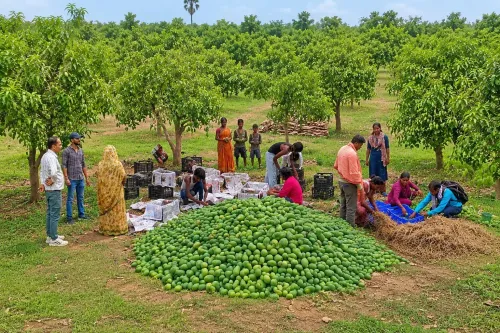
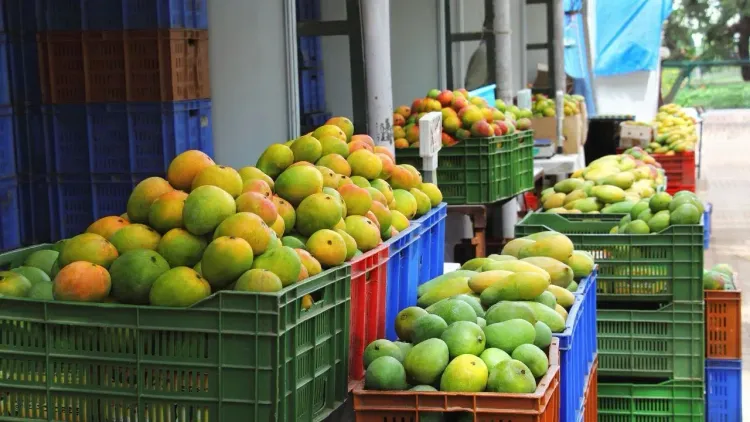
Together, Dharmapuri and Krishnagiri account for approximately 51,000 hectares under mango cultivation. Krishnagiri alone hosts 24 mango pulp processing industries, making the belt one of Tamil Nadu's most significant production and processing hubs.
Farmers Welcome Proposals, Seek More
Mango Farmers' Federation president K.M. Soundararajan welcomed the proposals, saying effective implementation could deliver a significant boost to growers. He noted, however, that farmers had previously sought one mango pulp processing unit in every block — a more granular spread than the five integrated parks now proposed. Soundararajan also flagged that mango farmers in Krishnagiri had endured severe difficulties over the past five years due to adverse climatic conditions affecting yields, and urged Chief Minister C. Joseph Vijay's government to address alleged corruption in the agriculture sector.
Industry Offers Cautious Response
Krishnagiri Mango Pulp Processors' Federation general secretary E. Madhavan described the industry as only partially satisfied with the proposals. He called on the government to actively boost domestic consumption of mango pulp so that both growers and processors could benefit. Madhavan pointed out that pulp manufacturers had struggled to clear stocks over the past two years.
Production this year is estimated at 1.5 lakh to 2 lakh tonnes, sharply down from nearly 3 lakh tonnes last year. He suggested including mango juice in the mid-day meal programme as a means of creating sustained demand for locally produced pulp.
Government Officials Await Details
Horticulture department officials confirmed they had submitted inputs for the Vision document but said they were yet to receive detailed information about the proposed mango processing parks. The gap between the announcement and operational planning signals that the corridor remains at an early conceptual stage.
With western Tamil Nadu's mango belt facing both climatic stress and market volatility, the success of the corridor will depend on how quickly the government translates the Vision document's proposals into funded, time-bound projects.
Point of View
The crop, and the processing base — but Vision documents have a poor conversion rate in Indian agri-policy without budget lines and timelines attached. The more telling detail is that processors cannot clear existing stocks even as production has halved: that is a demand-side failure no number of cold-storage parks will fix on its own. The suggestion to route mango juice through the mid-day meal scheme is worth taking seriously — it is one of the few policy levers that could create guaranteed offtake at scale. Until the government pairs infrastructure investment with a credible demand strategy, the corridor risks becoming another well-intentioned announcement that does not move prices on the farm.
NationPress
19 Sept 2026
Frequently Asked Questions
What is the Tamil Nadu mango industrial corridor?
It is a proposed agri-industrial zone covering Dharmapuri and Krishnagiri districts, outlined in the state's Vetri Tamizhagam Vision document. The plan envisages five integrated mango processing parks with cold storage, pulp manufacturing units, a value-addition centre, and export-linked cargo infrastructure.
Why were Dharmapuri and Krishnagiri chosen for the corridor?
The two districts together account for approximately 51,000 hectares under mango cultivation, and Krishnagiri alone has 24 mango pulp processing industries , making the belt Tamil Nadu's most significant mango production and processing hub.
What concerns have farmers and processors raised?
Farmers' Federation president K.M. Soundararajan said growers had sought one processing unit in every block rather than five centralised parks. Processors' Federation general secretary E. Madhavan said the industry is only partially satisfied and called for steps to boost domestic consumption, as manufacturers have struggled to clear stocks for two consecutive years.
How has mango production changed in the region?
Production this year is estimated at 1.5 lakh to 2 lakh tonnes , a sharp decline from nearly 3 lakh tonnes last year, attributed to adverse climatic conditions that have affected yields over the past five years.
What is the current status of the proposed parks?
Horticulture department officials confirmed they submitted inputs for the Vision document but said they are yet to receive detailed information about the proposed processing parks, suggesting the corridor remains at an early conceptual stage without finalised timelines or budgets.