India-Nepal mango trade: No ban in place, says Agriculture Ministry
Synopsis
Reports of Nepal banning Indian mangoes are false — and the numbers prove it. India has already shipped 149 consignments totalling 2,005 metric tonnes to Nepal since January 2026. The real story is subtler: Nepal quietly introduced a Hot Water Treatment mandate without prior consultation, and India has now formally raised the issue under WTO and IPPC frameworks.
Key Takeaways
India's Ministry of Agriculture and Farmers Welfare on 10 June 2026 called reports of a Nepal mango ban 'factually incorrect and misleading.' Nepal's Plant Quarantine and Pesticide Management Centre confirmed Indian mango imports remain permitted, subject to phytosanitary compliance.
Since January 2026 , India has exported 149 consignments totalling 2,005 metric tonnes of mangoes to Nepal; 18 consignments (266 MT) shipped in June alone.
Nepal has made Hot Water Treatment (HWT) mandatory for mango shipments — a new condition introduced without prior bilateral consultation.
India is pursuing the consultation gap through WTO SPS Agreement and IPPC channels.
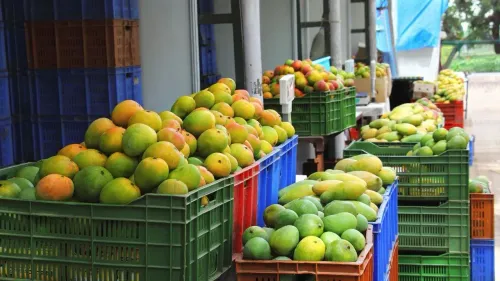
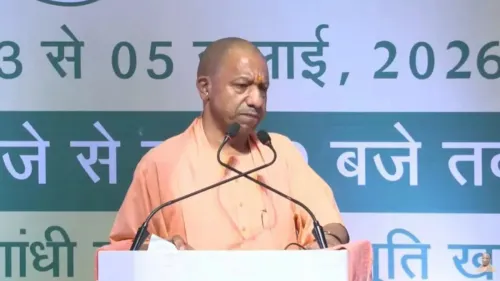
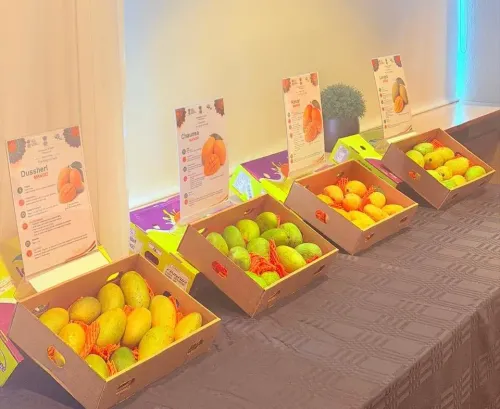
India's Ministry of Agriculture and Farmers Welfare on 10 June 2026 firmly rejected circulating reports that Nepal had banned or suspended imports of Indian mangoes, calling such claims 'factually incorrect and misleading.' The clarification follows growing anxiety among exporters and traders who feared a significant disruption to one of India's key seasonal fruit export corridors.
Nepal's Official Position
Nepal's Plant Quarantine and Pesticide Management Centre — the country's designated National Plant Protection Organisation — has formally confirmed that no ban is in force. As of 10 June, Indian mango imports remain permitted, provided shipments comply with prescribed phytosanitary requirements.
Nepalese authorities are actively issuing import permits and release orders upon receipt of valid phytosanitary certificates issued by the Indian government, the Ministry said.
Trade Numbers Contradict Ban Claims
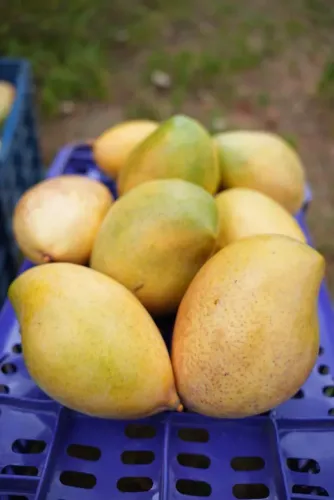
Official data released by the Ministry offers the clearest rebuttal to the ban narrative. Since January 2026, India has exported 149 consignments of mangoes to Nepal, totalling 2,005 metric tonnes. In June alone, 18 consignments amounting to 266 metric tonnes have already crossed the border — figures that would be impossible under any active trade suspension.
New Phytosanitary Conditions Introduced
The Ministry did acknowledge that Nepal has recently revised certain import conditions. Notably, Hot Water Treatment (HWT) has been made mandatory for all mango shipments entering Nepal. India is facilitating exports in accordance with these updated requirements, the Ministry confirmed.
However, India has formally conveyed its concerns over Nepal's introduction of new phytosanitary measures without prior bilateral consultation — a procedural issue that carries weight under international trade law.
Diplomatic and Legal Channels Activated
The matter is being pursued through appropriate bilateral channels, with India invoking the provisions of the World Trade Organisation's Sanitary and Phytosanitary (SPS) Agreement and the International Plant Protection Convention (IPPC). Both frameworks require that new trade-affecting sanitary measures be introduced transparently and with adequate notice to trading partners.
This comes amid a broader pattern of India-Nepal agricultural trade friction, where phytosanitary standards have periodically been used as flash points. The Ministry urged all stakeholders, traders, and the public to rely exclusively on official communications and disregard unverified reports about alleged restrictions.
What Happens Next
With the mango export season at its peak, resolution through bilateral channels will be time-sensitive. Industry bodies and exporters will be watching whether Nepal's new HWT mandate is applied uniformly and whether the two governments can reach a consultative framework that prevents similar disruptions in future seasons.
Point of View
A move that, if left unchallenged, sets a precedent for non-transparent phytosanitary barriers. India invoking the WTO SPS Agreement is the right procedural step, but bilateral agricultural trade with Nepal has long lacked a standing consultative mechanism to catch these friction points early. The real risk is not this season's mangoes — it is the next commodity caught in the same procedural gap.
NationPress
21 Sept 2026
Frequently Asked Questions
Has Nepal banned the import of Indian mangoes?
No. Nepal's Plant Quarantine and Pesticide Management Centre has confirmed that no ban has been imposed on Indian mango imports. Imports continue to be permitted as of 10 June 2026, subject to phytosanitary compliance.
What new condition has Nepal introduced for Indian mango imports?
Nepal has made Hot Water Treatment (HWT) mandatory for all mango shipments entering the country. India is facilitating exports in accordance with this updated requirement, though it has raised concerns about the lack of prior consultation before the condition was introduced.
How much has India exported to Nepal so far in 2026?
Since January 2026, India has exported 149 consignments of mangoes to Nepal totalling 2,005 metric tonnes. In June alone, 18 consignments amounting to 266 metric tonnes have already been shipped.
What steps is India taking over Nepal's new phytosanitary measures?
India has formally conveyed its concerns over the introduction of new conditions without prior bilateral consultation. The matter is being pursued through diplomatic channels under the WTO Sanitary and Phytosanitary Agreement and the International Plant Protection Convention.
What should traders do amid conflicting reports?
The Ministry of Agriculture and Farmers Welfare has advised all stakeholders, traders, and the public to rely only on official communications and to disregard unverified reports about alleged restrictions on Indian mango exports to Nepal.