Delhi Drug Traders urge Rahul Gandhi to postpone Nov 1 Ramlila Maidan rally
Synopsis
Delhi's drug traders have written to Rahul Gandhi demanding he call off the Congress's 1 November rally at Ramlila Maidan, drawing a pointed parallel with the scrapped mock Parliament programme. With the festive and wedding season at its peak, the association warns that fresh disruptions could deepen already significant economic losses for traders, shopkeepers, and daily wage earners across the capital.
Key Takeaways
The Delhi Drug Traders' Association (DDTA) wrote to LoP Rahul Gandhi on 30 October 2026 , urging postponement of the Congress rally at Ramlila Maidan on 1 November .
DDTA Secretary Ashish Grover cited the postponement of the mock Parliament programme as a precedent for similar responsibility.
The association argued that, with the matter before the Supreme Court , faith in the judicial process should take precedence over public demonstrations.
The letter warned that disruptions during the festive and wedding season could worsen economic losses for traders, street vendors, and daily wage earners in Delhi .
The DDTA acknowledged the right to peaceful protest but stressed that political events must not cause unnecessary hardship to the public or harm the city's economy.
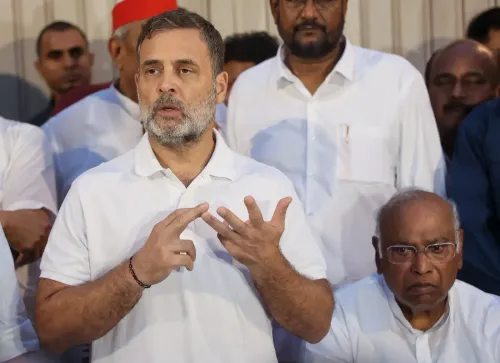
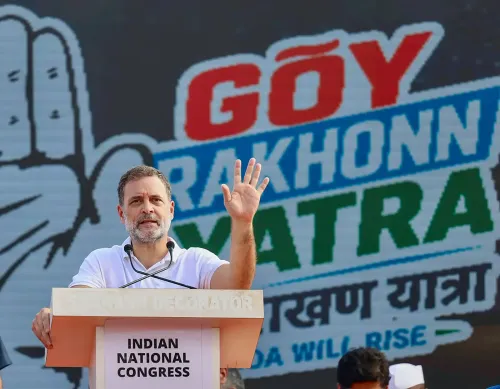
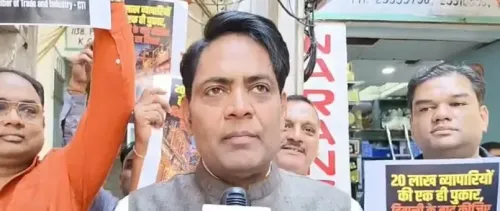
The Delhi Drug Traders' Association (DDTA) on Friday, 30 October 2026, formally appealed to Leader of the Opposition (LoP) Rahul Gandhi to postpone the Indian National Congress rally scheduled for 1 November at Ramlila Maidan, New Delhi. The appeal, made in a written letter, follows the postponement of a mock Parliament programme that had been planned for the same period, and cites concerns over economic disruption and respect for judicial processes.
What the DDTA Letter Said
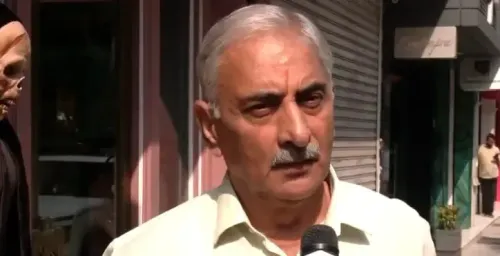
DDTA Secretary Ashish Grover drew a direct parallel between the scrapped mock Parliament event and the upcoming rally, urging Gandhi to exercise similar restraint. “Just as the Mock Parliament scheduled to be held today has been postponed in view of certain unavoidable circumstances, I urge you to take a similar decision and postpone your proposed rally in Delhi on November 1,” Grover wrote in the letter.
The association stressed that when a matter is already before the Supreme Court and parties have filed their responses and affidavits, it is “more appropriate and responsible to repose faith in the judicial process rather than resort to political confrontation and public demonstrations of strength.”
Economic Impact on Delhi Traders
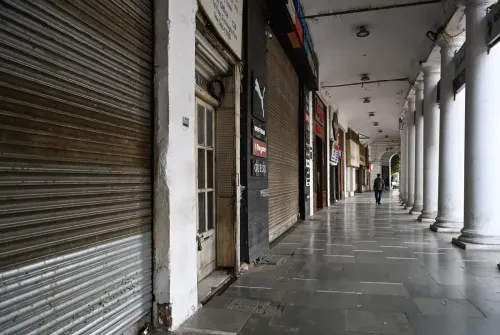
A central concern raised by the DDTA is the toll that recurring protests, demonstrations, and rallies take on commercial life in the national capital. The association noted that traders, shopkeepers, street vendors, small business owners, and daily wage earners have already suffered “considerable economic losses” due to repeated disruptions to traffic movement and footfall.
Critically, the letter warned that further disruptions during the ongoing festive and wedding season — one of the most commercially significant periods of the year — could worsen the economic situation for millions of livelihoods dependent on uninterrupted trade in Delhi.
DDTA's Position on Democratic Norms
The association was careful to acknowledge the constitutional right to peaceful protest and freedom of expression. However, it argued that this right must be balanced against public convenience and the city’s economic health. “This is not the time for political demonstrations of strength, but an occasion to uphold democratic values, respect constitutional institutions and place the interests of millions of citizens and traders of Delhi above political considerations,” the letter stated.
The DDTA also underlined the broader principle that Parliament, the judiciary, and other constitutional institutions “have their own dignity and significance” in a democracy, and that ongoing judicial proceedings deserve deference.
Context and What Comes Next
The Congress rally at Ramlila Maidan is part of a broader political mobilisation by the party in Delhi, with the mock Parliament event having already been shelved citing unavoidable circumstances. The DDTA's appeal reflects a wider anxiety among Delhi’s trading community, which has repeatedly flagged the cumulative economic cost of political activity concentrated in the capital’s busiest commercial zones. Whether Gandhi and the Congress leadership will heed the association’s request remains to be seen, though the appeal adds a fresh civic dimension to the political calculus ahead of the 1 November event.
Point of View
The letter attempts to reframe a political dispute as a question of civic responsibility — a framing that puts Congress on the defensive without any party affiliation. The festive-season timing sharpens the pressure; a rally that disrupts Ramlila Maidan-adjacent trade during Diwali and wedding bookings is a tangible, not abstract, grievance. Whether Gandhi reads this as genuine civic concern or orchestrated opposition pressure will shape how Congress responds.
NationPress
30 Oct 2026
Frequently Asked Questions
Why has the Delhi Drug Traders' Association asked Rahul Gandhi to postpone the November 1 rally?
The DDTA has urged Gandhi to postpone the Congress rally at Ramlila Maidan on 1 November, citing concerns about economic disruption during the festive and wedding season and arguing that, since the matter is before the Supreme Court, the judicial process should be allowed to proceed without parallel political demonstrations. The association drew a parallel with the earlier postponement of the mock Parliament programme.
What is the Congress rally at Ramlila Maidan about?
The Congress party has scheduled a political rally at Ramlila Maidan in New Delhi on 1 November 2026. The specific political objectives of the rally were not detailed in the DDTA's letter, though the association noted that a related matter is currently under judicial consideration before the Supreme Court.
Who is Ashish Grover, and what did he say?
Ashish Grover is the Secretary of the Delhi Drug Traders' Association. In his letter to Rahul Gandhi, he urged the Congress leader to postpone the rally, arguing that it is 'more appropriate and responsible to repose faith in the judicial process rather than resort to political confrontation and public demonstrations of strength.'
How have protests affected Delhi traders?
According to the DDTA, traders, shopkeepers, street vendors, small business owners, and daily wage earners in Delhi have already suffered 'considerable economic losses' due to repeated disruptions to traffic movement and commercial activities caused by protests and demonstrations. The association warned the situation could worsen if the festive and wedding season is disrupted further.
What is the mock Parliament programme that was postponed?
The mock Parliament was a programme scheduled to be held on 30 October 2026 that was subsequently postponed due to what the DDTA described as 'unavoidable circumstances.' Ashish Grover cited this postponement as a precedent, arguing that Gandhi should exercise similar judgment and defer the 1 November rally.