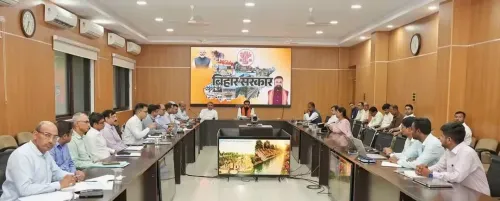
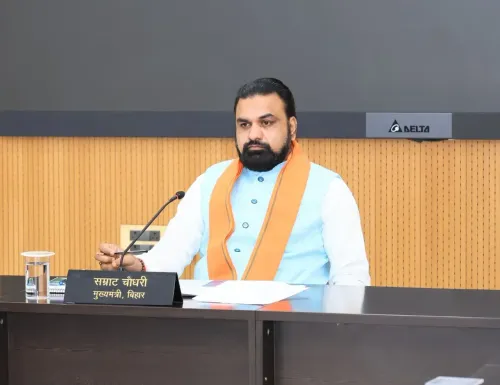
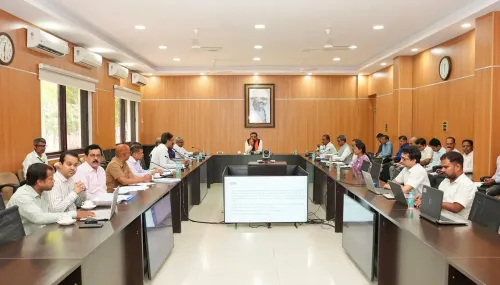
CM Samrat Choudhary Opens Ganga Water Security Seminar in Patna
Synopsis
Bihar CM Samrat Choudhary on October 30 inaugurated the 'Ganga Jal Sandhi: Bihar ki Jal Suraksha' seminar in Patna, asserting that adequate Ganga water for drinking, irrigation, and industry is the state's foremost priority amid growing interstate water competition.
Key Takeaways
Bihar CM Samrat Choudhary inaugurated the 'Ganga Jal Sandhi: Bihar ki Jal Suraksha' seminar in Patna on October 30, 2026 .
The CM declared that protecting Bihar's water interests — for drinking, irrigation, and industry — is the state government's top priority.
The Ganga is critical to Bihar's agriculture, urban water supply, and industrial development, making its water allocation a high-stakes policy issue.
Bihar joins a broader pattern of Ganga basin states holding formal seminars to press their water claims in the national policy arena.
The Namami Gange programme (launched 2014 ) provides the national framework, but state-level advocacy drives on-ground water allocation outcomes.
The seminar's title invokes treaty language ('Sandhi'), signalling Bihar's intent to formalise and assert its water rights at the interstate level.
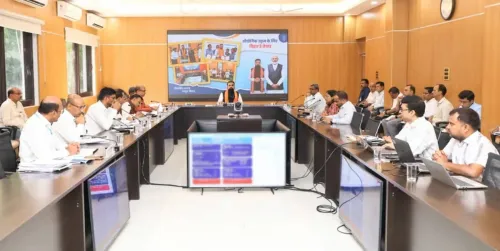
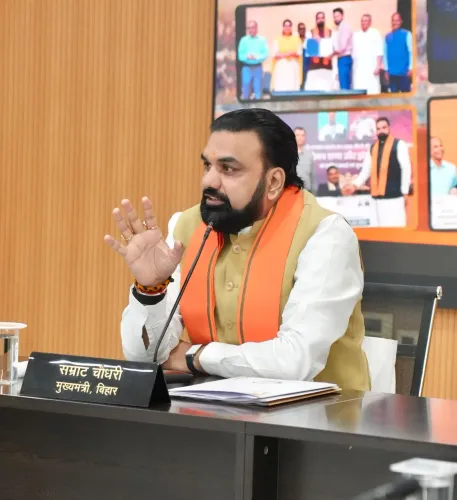
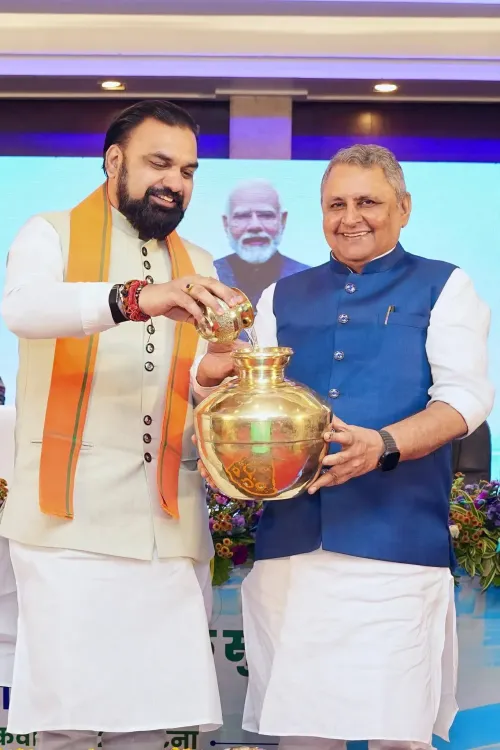
Water — not just a resource, but a lifeline — took centre stage in Patna on Friday, October 30, 2026, as Bihar Chief Minister Samrat Choudhary inaugurated a high-profile seminar on 'Ganga Jal Sandhi: Bihar ki Jal Suraksha' ('Ganga Water Treaty: Bihar's Water Security'), making a pointed declaration that securing adequate water for the state's people, farms, and industries is a non-negotiable priority.
What the CM Said — and Why It Matters
Addressing the gathering, Chief Minister Choudhary framed the seminar's agenda in unambiguous terms: the protection of Bihar's interests, and the guaranteed availability of water for drinking, irrigation, and industrial use. 'Bihar ke hiton ki raksha, peyajal, sinchai evam udyogon ke liye paryapt jal ki uplabdhta hamari prathamikta hai,' he said — 'Protecting Bihar's interests, and ensuring adequate water for drinking, irrigation and industries, is our priority.'
The choice of words was deliberate. By invoking all three pillars — domestic consumption, agriculture, and industry — the Chief Minister signalled a comprehensive, stake-all-claims approach to Ganga water security rather than a narrow or seasonal concern.
Bihar's Stake in the Ganga
The Ganga is not a backdrop to Bihar's economy — it is the spine of it. The river's flows sustain drinking water for millions of urban and rural households, feed the irrigation networks that keep the state's agricultural belt productive, and support the industrial corridors that Bihar is working to expand. Yet the river's waters are contested: multiple states draw from the same basin, seasonal variability is severe, and the twin threats of scarcity in dry months and flooding in monsoon season create a permanent tension in water governance.
Ganga basin states have held periodic seminars and policy dialogues to assert their claims over river water, and Patna's seminar sits squarely in that tradition — amplified now by the political weight of a sitting Chief Minister opening the proceedings himself.
Namami Gange and the National Framework
The national Namami Gange programme, launched in 2014, was designed to rejuvenate the river and improve water availability across basin states, including Bihar. The programme has provided a broad federal framework, but state-level advocacy — exactly the kind the Patna seminar represents — remains essential for translating national policy into concrete water allocations and infrastructure on the ground.
For Bihar, the seminar is as much about asserting a seat at the table in interstate water negotiations as it is about domestic policy. The title itself — 'Ganga Jal Sandhi,' invoking the language of a treaty — signals the seriousness with which the state is pressing its case.
Farmers, Households, and Industries: Who's Watching
The stakes run across Bihar's social geography. Bihar's farmers depend on Ganga-fed irrigation for paddy and wheat cycles. Urban households in cities like Patna, Gaya, and Bhagalpur rely on river-sourced water supply systems. And as Bihar pushes for industrial growth, water availability becomes a deciding factor for investment. Any policy outcome from this seminar — whether a formal resolution, a set of recommendations to the Centre, or a blueprint for interstate dialogue — will be watched closely by all three constituencies.
If Samrat Choudhary can convert the seminar's momentum into actionable commitments, Bihar's next chapter on water security may look very different from the last.
Point of View
' Samrat Choudhary is doing something tactically significant: framing Bihar's water needs not as a welfare request but as a sovereign entitlement deserving treaty-level recognition. This elevates the discourse from administrative routine to interstate political assertion. It also fits a pattern seen across BJP-governed states of using high-profile events to pre-position the state ahead of water-sharing negotiations with the Centre and upstream states. Whether the seminar produces binding policy or remains advocacy, it plants a flag — and in Indian water politics, who speaks loudest and earliest often shapes what gets allocated.
NationPress
30 Oct 2026
Frequently Asked Questions
What is the 'Ganga Jal Sandhi' seminar inaugurated by Bihar CM Samrat Choudhary?
It is a seminar on 'Ganga Water Treaty: Bihar's Water Security' held in Patna on October 30, 2026, inaugurated by Chief Minister Samrat Choudhary to discuss and assert Bihar's rights to adequate Ganga river water for drinking, irrigation, and industrial use.
Why is Ganga water security important for Bihar?
The Ganga is the lifeline of Bihar's economy — it supports drinking water for millions of households, irrigation for the state's farming sector, and water supply for growing industries. Seasonal scarcity and competition from other basin states make securing adequate flows a critical policy issue.
What is the Namami Gange programme and how does it relate to Bihar?
Namami Gange is a national river rejuvenation programme launched in 2014 to clean and revitalise the Ganga. Bihar, as a major basin state, is a key beneficiary, but state-level advocacy — like the Patna seminar — is necessary to translate national policy into actual water allocations for the state.
What did CM Samrat Choudhary say at the Patna seminar?
CM Choudhary stated that protecting Bihar's interests and ensuring adequate water availability for drinking, irrigation, and industries is the state government's primary priority.
What are the next steps expected after the Ganga water security seminar in Patna?
Observers will watch for follow-up policy announcements, formal recommendations to the central government, or the initiation of interstate coordination meetings on Ganga water allocation and related infrastructure projects in Bihar.