What Caused Train Services to Halt in Northeast?
Synopsis
Train services in the Northeast have been halted due to dangerous landslides affecting crucial railway tracks. This disruption, caused by improper road work, highlights the annual challenges faced during the monsoon season. Discover the ramifications of these landslides on regional connectivity and passenger safety.
Key Takeaways
Train services in Northeast India have been suspended due to landslides.
The landslides were caused by inadequate construction work.
Rail authorities are actively working to clear the tracks.
Monsoon season often leads to similar disruptions in the region.
Safety of passengers is the top priority in the response efforts.
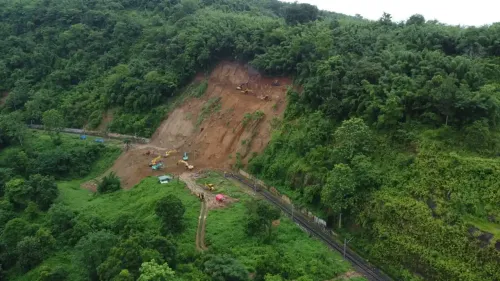
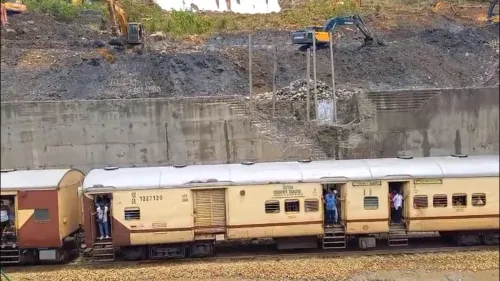
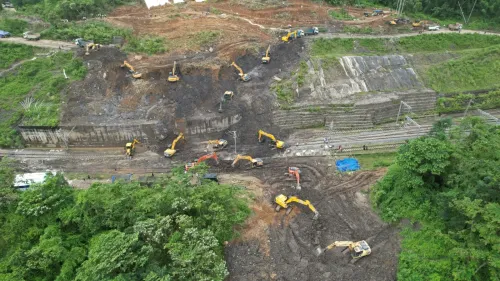
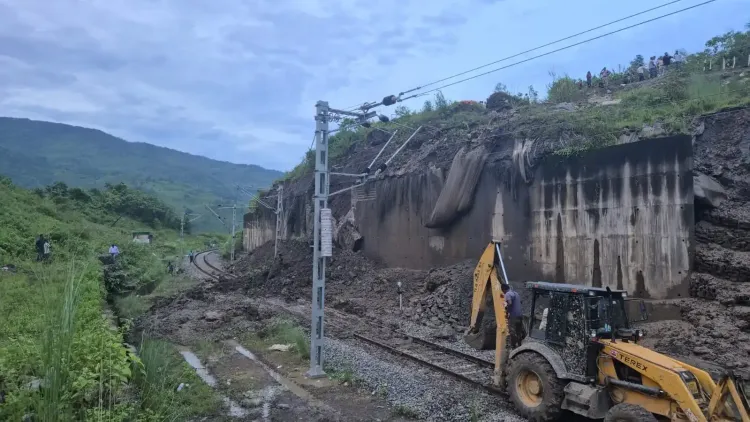
Guwahati, June 23 (NationPress) Train operations connecting South Assam, Tripura, Manipur, and Mizoram to the rest of the country via Guwahati have been suspended since Monday evening due to landslides affecting the railway track in the New Haflong-Jatinga Lampur section of the Northeast Frontier Railway (NFR), according to an official statement.
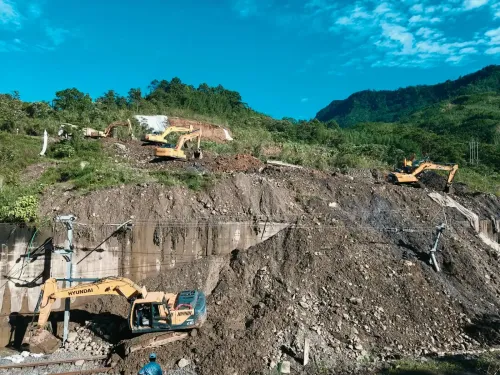
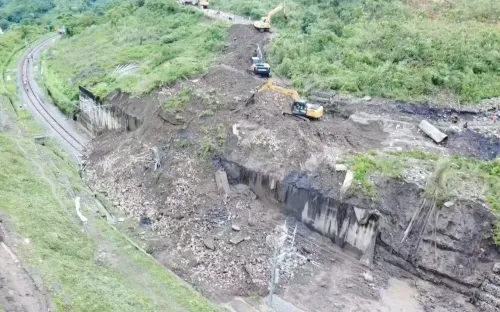
The Chief Public Relations Officer of NFR, Kapinjal Kishore Sharma, mentioned that boulders and land mass falling on the railway track in that section led to the immediate suspension of train services in the Lumding–Badarpur hill section to ensure the safety of passengers.
Sharma noted that these landslides were a result of inadequate construction activities being conducted by the National Highways Authority of India (NHAI) for road repairs.
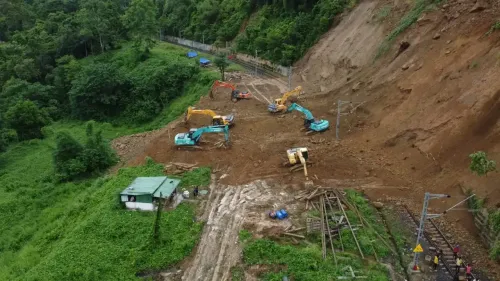
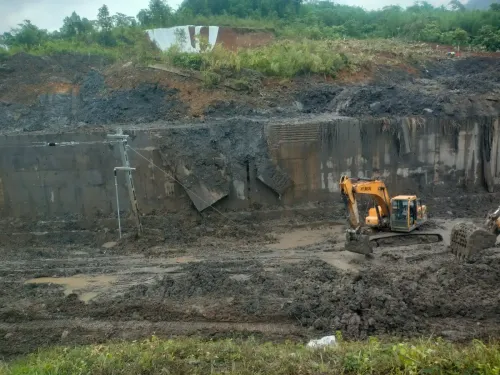
It was reported that during the ongoing road work, the slope on the downstream side between the road and railway line became unstable, causing a mass movement towards the railway track.
Additionally, water from the road is also flowing onto the track, creating hazardous conditions.
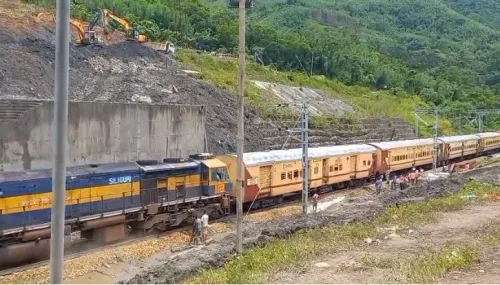
Given the critical and unsafe condition of the area, rail operations have been halted between the Lumding-New Haflong-Badarpur segments. This has led to the cancellation and short termination of various train services.
The authority of the NFR's Lumding Division has communicated with the NHAI, urging them to implement necessary protective measures by deploying adequate manpower and machinery to prevent further damage to this crucial railway link connecting states such as Manipur, Mizoram, Tripura, and parts of Barak Valley.
Sharma indicated that railway personnel have already been mobilized to clear debris from the railway track. Due to the damage, services of nine trains have been cancelled, short-terminated, or rescheduled.
Annually, during the monsoon season, several northeastern states, particularly Tripura, Mizoram, Manipur, and Southern Assam, experience significant disruptions, remaining isolated from the rest of the country for weeks due to landslides, waterlogging, and damage to railway infrastructure. This results in considerable hardships for the local population.
Point of View
The challenges faced by the Northeast due to natural calamities like landslides underscore the need for robust infrastructure and timely interventions. The government must prioritize effective construction and maintenance to ensure connectivity and safety for millions of residents dependent on these crucial rail links.
NationPress
1 Oct 2026
Frequently Asked Questions
What caused the suspension of train services in the Northeast?
The suspension was caused by landslides affecting the railway track due to improper construction work by the National Highways Authority of India.
Which areas are impacted by the train service suspension?
The suspension affects train services between South Assam, Tripura, Manipur, and Mizoram.
How long is the train service expected to be down?
The duration of the suspension is currently uncertain and will depend on the clearing of debris and safety assessments.
What measures are being taken to address the situation?
Railway authorities are engaging manpower to clear debris and have requested the NHAI to take protective measures.
How frequently do such disruptions occur in the Northeast?
Such disruptions are common during the monsoon season, impacting connectivity for weeks.