Tripura earns ₹1,165 crore from Bangladesh power supply in 10 years
Synopsis
Over a decade, Tripura quietly built a ₹1,165 crore cross-border power business with Bangladesh — and now Dhaka wants more. With Bangladesh facing an acute electricity shortage and requesting a jump to 250 MW, Tripura's Palatana plant is emerging as a geopolitically significant energy asset in India's Northeast strategy.
Key Takeaways
TSECL earned ₹1,165.37 crore supplying electricity to Bangladesh over ten years since March 2016 .
Supply has grown from 100 MW to a record 200 MW delivered on 9 August ; the current tariff is ₹6.76 per unit .
Bangladesh has formally requested an increase to at least 250 MW , citing a significant domestic electricity shortage.
Any capacity hike requires fresh Central government clearances and a new inter-governmental agreement.
Power flows from the ₹10,000-crore, 726-MW OTPC Palatana gas plant, which meets roughly 35% of the power needs of seven Northeastern states .
TSECL also supplied 40 MW to Nepal in 2020 , but that arrangement was discontinued after Nepal did not seek renewal.
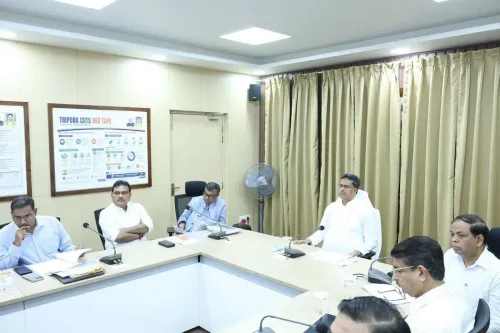
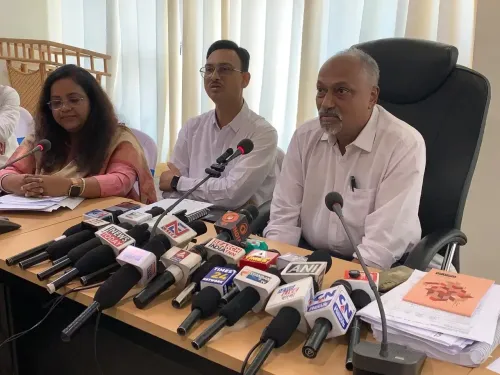
Tripura State Electricity Corporation Limited (TSECL) has earned ₹1,165.37 crore over the past ten years by supplying electricity to neighbouring Bangladesh, state Power Minister Ratan Lal Nath said in Agartala on Wednesday, 12 August. The cross-border power trade, which began in March 2016, has grown from an initial 100 MW to a record 200 MW supplied as recently as 9 August.
How the Power Trade Grew
TSECL began exporting electricity to Bangladesh at ₹5.50 per unit when the agreement was first signed in 2016. The rate has since risen to ₹6.76 per unit, reflecting both inflation adjustments and renegotiated terms. The agreement has been renewed twice with the consent of the Central government, underscoring the strategic importance New Delhi attaches to energy diplomacy in the Northeast.
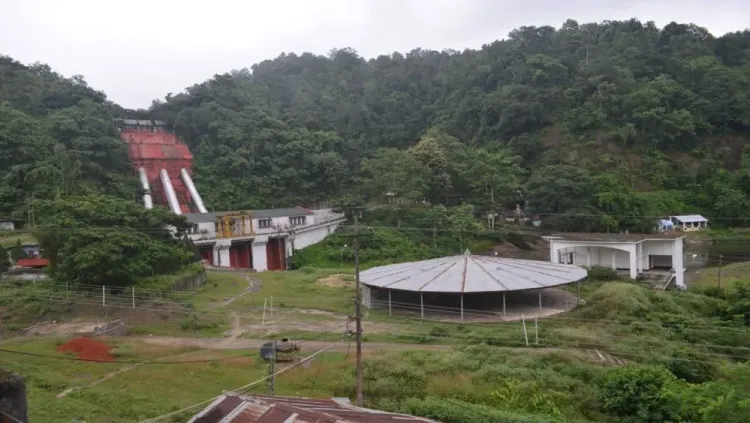
Power is drawn primarily from the 726-MW ONGC Tripura Power Company (OTPC) gas-based plant at Palatana, located roughly 65 km south of Agartala in southern Tripura. The plant — a joint venture between Oil and Natural Gas Corporation (ONGC), Infrastructure Leasing and Financial Services Ltd (IL&FS), IDFC Bank, and the Tripura government — was commissioned in June 2013 at a cost of ₹10,000 crore. It currently meets around 35% of the electricity requirement of seven Northeastern states, excluding Sikkim, according to a senior TSECL official.
Bangladesh Seeks Higher Supply
The Bangladesh government has formally requested TSECL to raise the supply to at least 250 MW, citing a significant and growing electricity shortage. Minister Nath confirmed that discussions are ongoing, but cautioned that any capacity increase would require fresh Central government clearances, a new inter-governmental agreement, and completion of associated formalities.
This comes amid a broader energy crisis in Bangladesh, where rising consumer demand has outpaced domestic generation capacity. Tripura's geographic position — sharing an 856-km international border with Bangladesh and surrounded by the country on three sides — makes it a natural and cost-efficient conduit for cross-border power supply.
Palatana: A Symbol of India-Bangladesh Cooperation
The ₹10,000-crore Palatana power plant itself stands as a landmark in bilateral cooperation. Bangladesh facilitated the transportation of heavy equipment — including turbines and machinery — through its territory to reach the landlocked construction site in southern Tripura. That logistical arrangement was critical to the plant's completion and remains a frequently cited example of how infrastructure cooperation between New Delhi and Dhaka can benefit both nations.
Nepal Supply and Future Capacity
In a lesser-known chapter, TSECL also supplied 40 MW of electricity to Nepal in 2020. That arrangement was subsequently discontinued after Nepal did not renew its request to Indian authorities for continuation, according to the senior TSECL official.
Looking ahead, Minister Nath said Tripura's generation capacity is expected to rise substantially with the commissioning of proposed and under-construction power plants, alongside rapid expansion of solar energy generation. If Central clearances come through, the state could be positioned to meet Bangladesh's 250 MW request — and potentially go beyond it.
Point of View
165 crore revenue figure is notable, but the more consequential story is structural: Tripura's Palatana plant has quietly become a load-bearing pillar of India's energy diplomacy in the Northeast. Bangladesh's request to scale up to 250 MW arrives at a moment of political flux in Dhaka, making Central government clearance both a technical and a foreign-policy decision. The Nepal precedent — where a supply arrangement lapsed simply because Kathmandu failed to renew the request — is a reminder that cross-border energy agreements are fragile without sustained diplomatic upkeep. India should treat Tripura's surplus capacity as a strategic lever, not just a revenue line.
NationPress
12 Aug 2026
Frequently Asked Questions
How much revenue has Tripura earned from supplying electricity to Bangladesh?
Tripura State Electricity Corporation Limited (TSECL) has earned ₹1,165.37 crore over ten years of cross-border power supply to Bangladesh, which began in March 2016. The current tariff stands at ₹6.76 per unit, up from the initial rate of ₹5.50 per unit.
How much electricity does Tripura currently supply to Bangladesh?
TSECL supplied 200 MW of electricity to Bangladesh on 9 August, the highest recorded volume to date. Supply began at 100 MW in 2016 and has been increased periodically since then.
Why is Bangladesh requesting more power from Tripura?
Bangladesh is facing a significant and growing electricity shortage that its domestic generation capacity has struggled to meet. Dhaka has formally requested TSECL to increase supply to at least 250 MW to address rising consumer demand.
What is the OTPC Palatana power plant and why is it significant?
The OTPC Palatana plant is a 726-MW gas-based power facility in southern Tripura, set up in June 2013 at a cost of ₹10,000 crore. It is a joint venture between ONGC, IL&FS, IDFC Bank, and the Tripura government, and meets around 35% of the electricity needs of seven Northeastern states while also enabling cross-border exports.
What is needed before Tripura can increase power supply to Bangladesh beyond 200 MW?
Any increase beyond the current supply level requires fresh clearances and permissions from the Central government, the signing of a new inter-governmental agreement, and completion of associated formalities, according to Power Minister Ratan Lal Nath.