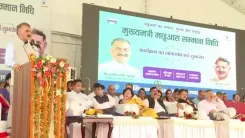
CM Dhami Reviews Jal Jeevan Mission Progress in Dehradun

Synopsis
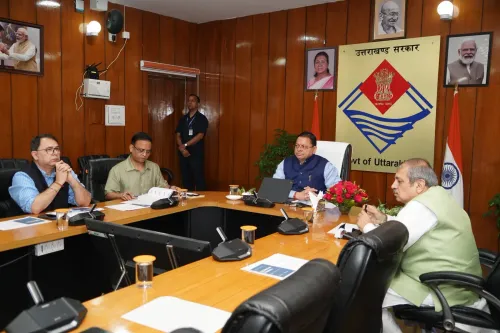
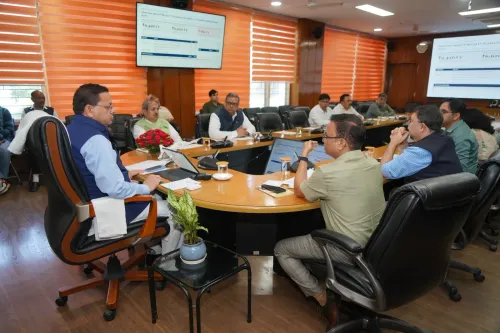
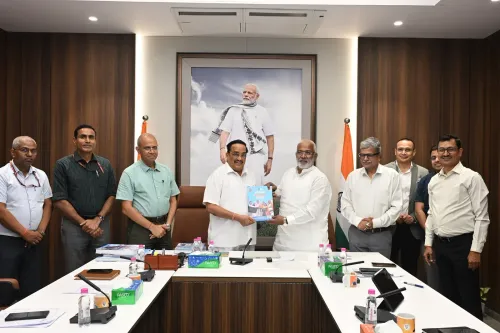
Chief Minister Pushkar Singh Dhami on 12 August 2026 reviewed Jal Jeevan Mission progress, finances, and the forward action plan at the Dehradun secretariat, as Uttarakhand works to complete rural tap water coverage across its challenging hill terrain.
Key Takeaways
CM Pushkar Singh Dhami chaired a Jal Jeevan Mission review at the Dehradun secretariat on 12 August 2026 .
The review covered physical progress, financial status, operational arrangements, and the upcoming action plan.
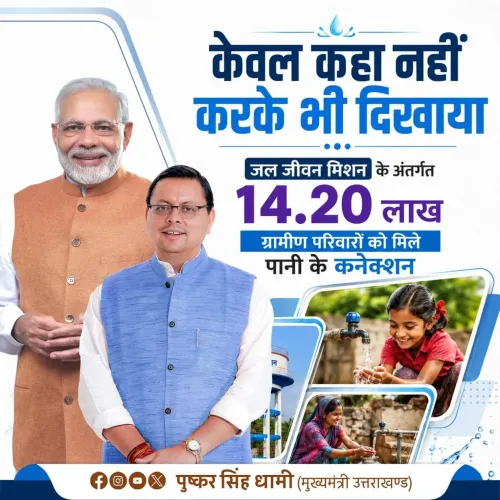
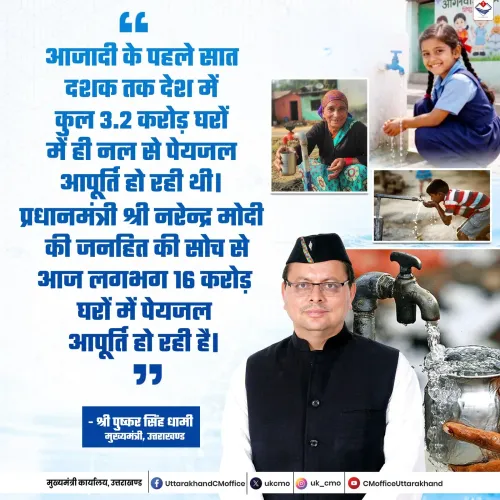
Jal Jeevan Mission was launched by the Government of India in August 2019 to provide tap water to all rural households.
Uttarakhand's hilly terrain makes implementation and long-term maintenance particularly challenging compared to plains states.
Operation and maintenance sustainability was explicitly on the agenda, reflecting the mission's post-completion phase priorities.
Fund utilisation monitoring is critical, as central allocations are linked to verified progress reports.
Tap water for every rural home — that is the promise at the heart of India's Jal Jeevan Mission, and on Wednesday, 12 August 2026, Chief Minister Pushkar Singh Dhami sat down at the state secretariat in Dehradun to take stock of exactly how close Uttarakhand is to keeping it.
The Chief Minister's Office confirmed that CM Dhami chaired a comprehensive review covering the mission's physical progress, financial position, operational arrangements, and the action plan for the period ahead. The meeting, held at the secretariat, brought together the full arc of the scheme's implementation — from how many connections have been laid to how the infrastructure will be maintained once the pipes are in the ground.
A national mission tested by mountain terrain
Launched by the Government of India in August 2019 under the Ministry of Jal Shakti, the Jal Jeevan Mission set an ambitious target: functional household tap connections delivering safe drinking water to every rural home in the country. For most states, the challenge is administrative. For Uttarakhand, it is also geological. The state's steep valleys, dispersed villages, and difficult hilly terrain make laying pipelines — and keeping them running — a logistical undertaking unlike anything on the plains. State authorities have concentrated efforts on completing pending connections and, critically, on sustainability: ensuring that schemes do not fall into disrepair once central funding cycles close. Operation and maintenance — explicitly on the agenda at Wednesday's review — is the part of the mission that determines whether a tap actually flows five years from now.Why financial monitoring matters at this stage
Jal Jeevan Mission funding flows from the Centre to states against verified progress and fund-utilisation reports. States that lag on utilisation risk losing allocations in subsequent tranches. By holding a dedicated review of the financial position alongside physical targets, the Dhami administration signals it is managing both the pipeline on the ground and the pipeline of funds — a discipline that becomes more consequential as the mission moves toward its final coverage targets. Such reviews are a standard and mandatory feature of the mission's governance architecture, required across all participating states. What makes each one consequential is what emerges from it: revised targets, fresh maintenance budgets, or course corrections on stalled works. The action plan discussed on Wednesday will shape Uttarakhand's next phase of delivery to the rural households still waiting for a tap connection of their own.Point of View
Consistent review cycles also serve a political-administrative purpose: demonstrating governance credibility on a flagship programme ahead of future budget negotiations. The real test will be what the action plan commits to in writing.
NationPress
12 Aug 2026
Frequently Asked Questions
What is Jal Jeevan Mission and what does it aim to do?
Jal Jeevan Mission is a flagship Government of India scheme launched in August 2019 under the Ministry of Jal Shakti. It aims to provide functional household tap connections for safe drinking water to every rural household across the country.
Why did CM Dhami hold a Jal Jeevan Mission review on 12 August 2026?
Chief Minister Pushkar Singh Dhami chaired the review at the Dehradun secretariat to assess the mission's physical progress, financial status, operational arrangements, and to finalise the upcoming action plan for Uttarakhand.
What are the main challenges for Jal Jeevan Mission in Uttarakhand?
Uttarakhand's steep valleys, dispersed villages, and hilly terrain make laying water pipelines and maintaining them significantly more difficult than in plains states. Authorities have focused on completing pending connections and ensuring long-term scheme sustainability.
What does operation and maintenance mean in the context of Jal Jeevan Mission?
Operation and maintenance refers to the arrangements that keep water supply infrastructure functional after it is built — including staffing, repairs, and funding — so that tap connections continue to deliver water beyond the initial installation phase.
How is Jal Jeevan Mission funding linked to state performance?
Central funds under Jal Jeevan Mission are released to states in tranches based on verified physical progress and fund-utilisation reports. States that under-utilise allocations risk reduced funding in subsequent cycles, making financial monitoring a critical part of state-level reviews.