CM Dhami Reviews Jal Jeevan Mission Progress in Uttarakhand
Synopsis
CM Pushkar Singh Dhami reviewed Jal Jeevan Mission at the Uttarakhand Secretariat on 12 August 2026. Of 16,555 schemes, 15,540 are complete (92.46%). He ordered mission-mode completion of pending work, field verification, and strict accountability for delays.
Key Takeaways
92.46% overall progress: 15,540 of 16,555 JJM schemes completed in Uttarakhand as of 12 August 2026 .
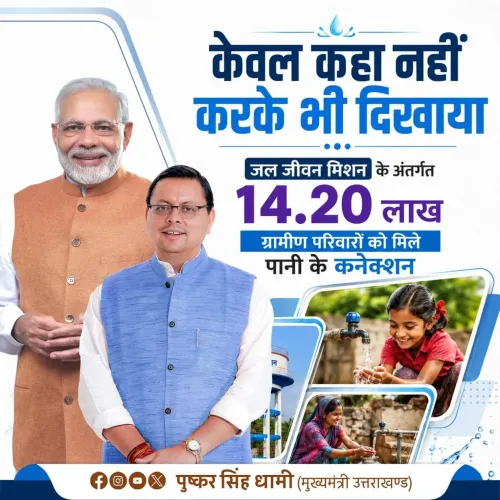
14.20 lakh of 14.48 lakh eligible rural families have received tap connections; roughly 28,000 remain .
Village-level verification complete in 9,796 of 14,979 villages — over a third still pending.
CM Dhami ordered mission-mode completion of all pending schemes within defined timelines, with district-wise accountability and consequences for delays.
Special focus directed on water source conservation, rainwater harvesting, and groundwater recharge in hill regions.
A permanent operations and maintenance mechanism and rapid-response system for technical faults to be established in every district.
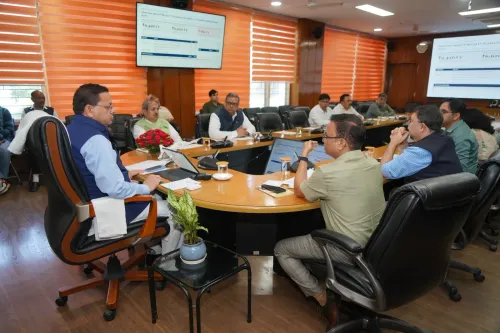
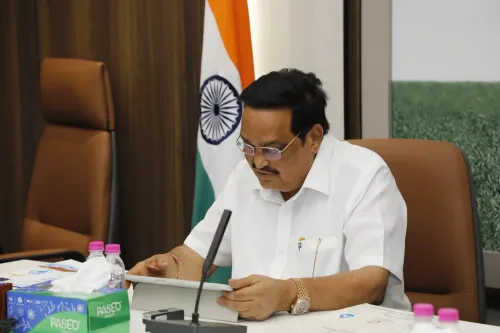
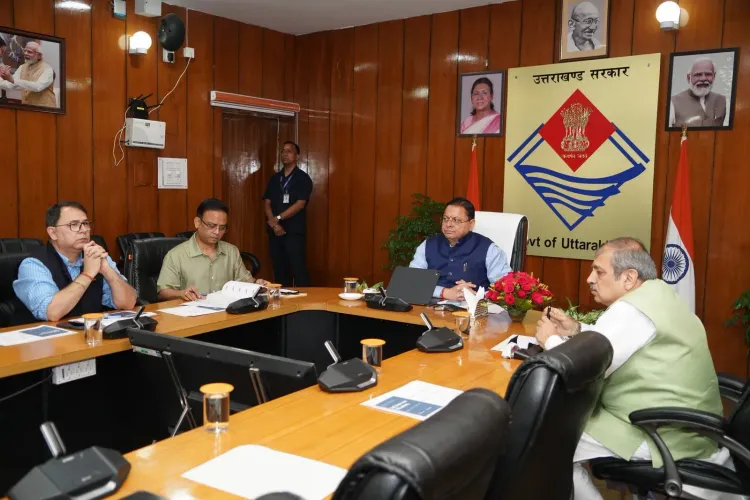
Tap water is reaching the last mile — but not fast enough. Chief Minister Pushkar Singh Dhami convened a high-level review of the Jal Jeevan Mission (JJM) at the Uttarakhand Secretariat on Wednesday, 12 August 2026, drilling into scheme completion rates, household connections, water quality, and financial management — and sending a clear message to district administrations: delays will have consequences.
Where Uttarakhand Stands: 92.46% and Counting
The numbers presented at the meeting tell a story of substantial — but unfinished — progress. Of 16,555 water supply schemes sanctioned under JJM in the state, 15,540 have been completed, putting overall physical progress at 92.46 percent. The remaining 1,015 schemes are still under execution.
On household coverage, 14.20 lakh of 14.48 lakh eligible rural families have received tap connections — leaving roughly 28,000 households yet to be covered. Village-level verification has been completed in 9,796 of 14,979 villages, meaning nearly a third of villages are still awaiting on-ground confirmation that water is actually flowing from those taps.
Dhami's Directive: Connections Alone Are Not Enough
The Chief Minister drew a sharp distinction that often gets lost in infrastructure reporting. 'Jal Jeevan Mission ki safalta kewal nal connection ki sankhya se nahin' — the mission's success, he said, will not be measured by the count of tap connections alone, but by whether every household is receiving 'regular, adequate, safe, and quality drinking water.'
He ordered field-level verification of all schemes declared complete, and directed that pending and under-construction schemes be completed in mission mode within defined timelines. District Magistrates were instructed to coordinate across departments and resolve bottlenecks swiftly. Accountability — district-wise targets, deadlines, and named responsibility — was to be fixed immediately. Unnecessary delays, he warned, would invite action against the executing agency and responsible officials.
The Mountain Problem: Sources, Springs, and Sustainability
Uttarakhand's terrain adds a layer of complexity absent in plains states. CM Dhami specifically directed officials to focus on conservation and rejuvenation of drinking water sources in hill regions, rainwater harvesting, and groundwater recharge — a recognition that building pipes is only half the battle when the springs feeding them are drying up.
He also called for a permanent operations-and-maintenance mechanism in every district, along with a rapid-response system for technical breakdowns — so that a scheme completed on paper does not go dry within months of handover.
Who Was in the Room
The review was attended by Vishwas Dabar, Vice-Chairman of the Infrastructure Monitoring Council; Principal Secretary R.K. Sudhanshu; Drinking Water Secretary Ranveer Singh Chauhan; Additional Secretaries Rohit Meena and Jharana Kamthan, along with other senior officials.
With the final 28,000 rural families and more than 5,000 villages still awaiting verified tap-water access, the next review meeting will tell whether Uttarakhand can close that last gap — or whether the mountain will prove harder to move than the pipe.
Point of View
But for terrain, source sustainability, and post-completion maintenance failures. Dhami's insistence on distinguishing 'connections given' from 'water actually flowing' signals a maturing of the political discourse around infrastructure delivery, where optics of numbers are being subordinated to functional outcomes. The accountability directive — naming districts, deadlines, and responsible officers — mirrors the Centre's own escalating pressure on laggard states as the mission's revised deadlines approach. Whether district administrations can execute in hilly terrain at this pace will be the real test.
NationPress
12 Aug 2026
Frequently Asked Questions
What is the current status of Jal Jeevan Mission in Uttarakhand?
As of the 12 August 2026 review, 15,540 of 16,555 sanctioned schemes have been completed, placing overall progress at 92.46 percent. Around 1,015 schemes remain under execution.
How many rural families in Uttarakhand have received tap water connections?
14.20 lakh out of 14.48 lakh eligible rural families have received tap connections under Jal Jeevan Mission, leaving approximately 28,000 households yet to be covered.
What did CM Dhami instruct officials at the Jal Jeevan Mission review?
CM Dhami directed completion of pending schemes in mission mode within fixed timelines, field verification of completed schemes, district-wise accountability, and special attention to water source conservation in hill areas.
How many villages in Uttarakhand have been verified under Har Ghar Jal?
9,796 of 14,979 villages have been verified for tap-water access under Jal Jeevan Mission. Verification in the remaining villages is still pending.
What is Jal Jeevan Mission and when was it launched?
Jal Jeevan Mission is a Government of India scheme launched in 2019 to provide functional household tap connections with safe drinking water to every rural household in the country.