Trust donates ₹11 lakh to CM Fadnavis for drought relief
Synopsis
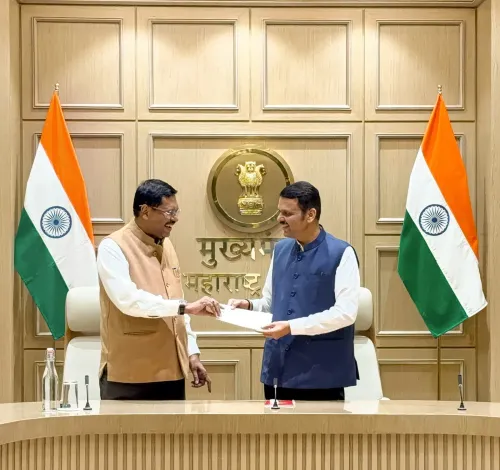
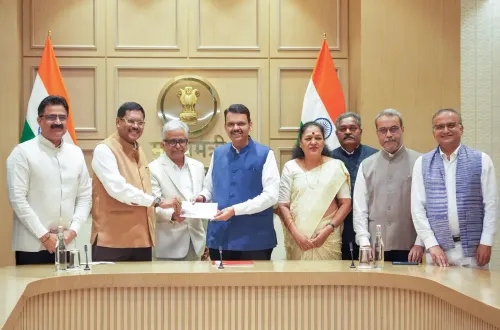
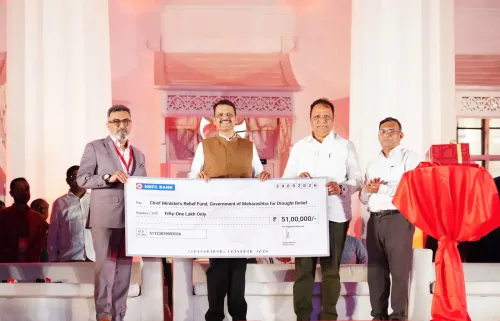
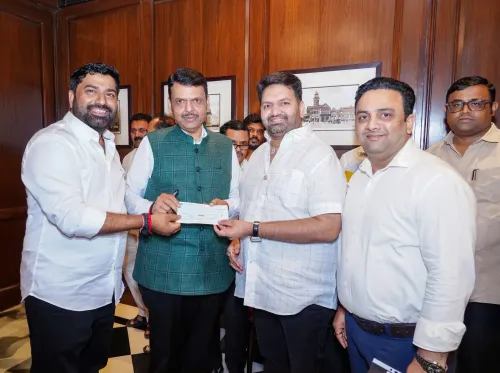
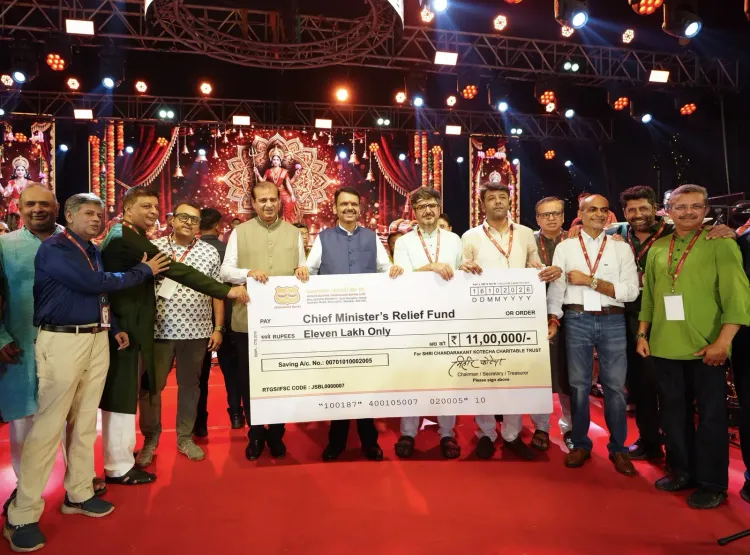
MLA Mihir Kotecha and the Shri Chandrakant Kotecha Charitable Trust presented Chief Minister Devendra Fadnavis with a cheque of ₹11,00,000 for Maharashtra's Chief Minister's Relief Fund in Mumbai on 17 October 2026, earmarked for drought-affected farmers.
Key Takeaways
The Shri Chandrakant Kotecha Charitable Trust donated ₹11,00,000 to the Chief Minister's Relief Fund of Maharashtra.
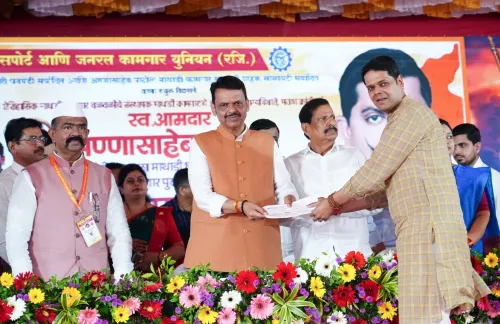
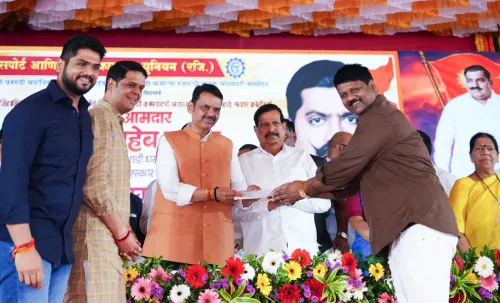
MLA Mihir Kotecha and the trust's board of trustees presented the cheque to CM Devendra Fadnavis in Mumbai on 17 October 2026 .
The donation is specifically directed toward supporting drought-affected farmers across Maharashtra.
CM Fadnavis thanked the trust and its trustees at the handover event.
Maharashtra's Chief Minister's Relief Fund is the state's primary emergency corpus for natural calamity response, including droughts.
When a Mumbai legislator walks into the Chief Minister's office with an ₹11,00,000 cheque earmarked for drought-hit farmers, it signals that civil society is not waiting on the sidelines. On Saturday, 17 October 2026, the Chief Minister's Office of Maharashtra announced that Chief Minister Devendra Fadnavis received a donation cheque at Mumbai for the Chief Minister's Relief Fund, presented by MLA Mihir Kotecha and the trustees of the Shri Chandrakant Kotecha Charitable Trust to support drought-affected farmers across the state.
Who handed over the cheque and why it matters
MLA Mihir Kotecha led the delegation from the Shri Chandrakant Kotecha Charitable Trust, a Mumbai-based charitable body, to present the donation directly to CM Fadnavis. The contribution of ₹11,00,000 was specifically directed toward the Chief Minister's Relief Fund — Maharashtra's primary state-level emergency corpus — with the explicit instruction that it be deployed for drought-affected farmers. CM Fadnavis expressed his gratitude to the trust and its board of trustees at the event.
The CM Relief Fund and its role in drought response
Maharashtra's Chief Minister's Relief Fund is a long-standing state mechanism channelling emergency assistance during natural calamities — from floods and cyclones to the droughts that periodically devastate the state's rain-shadow regions. The fund accepts contributions from individuals, corporations, and charitable organisations, and is administered directly under the Chief Minister's office to enable rapid disbursement. Donations to it qualify for tax exemption under Indian law, making it an attractive route for philanthropic giving during agrarian crises. Legislators presenting such cheques is a recurring feature of Maharashtra's civil-society response to farm distress, though the cumulative impact depends heavily on how swiftly and transparently the funds reach affected cultivators.
A pattern of trust-led giving during farm distress
Across Indian states, charitable trusts and elected representatives periodically pool resources and funnel them into chief ministerial relief funds when agriculture comes under stress. The gesture carries dual significance: it supplements government allocation, however modestly, and it places public pressure on the administration to account for how the money is spent. Whether Maharashtra follows through with robust updates on fund utilisation for this specific drought tranche will be worth tracking in the weeks ahead.
Eleven lakh rupees is a drop against the scale of agrarian distress — but it is also a public pledge, and public pledges have a way of keeping governments honest.
Point of View
Receiving contributions from legislators' affiliated trusts reinforces his government's image as responsive to farmer distress, a politically sensitive constituency in Maharashtra. The real test, however, is fund utilisation transparency: unless the government publishes clear disbursal data, such gestures risk being read as performative rather than substantive. This small donation is also a signal to larger donors and corporates that the CM Relief Fund is active and accepting contributions for the current drought cycle.
NationPress
17 Oct 2026
Frequently Asked Questions
Who donated to the Maharashtra CM Relief Fund for drought relief?
The Shri Chandrakant Kotecha Charitable Trust , represented by MLA Mihir Kotecha and the trust's board of trustees, donated ₹11,00,000 to the fund on 17 October 2026 .
What is the Maharashtra Chief Minister's Relief Fund?
The Chief Minister's Relief Fund is a state-administered emergency corpus that channels financial assistance to victims of natural calamities, including droughts, floods, and cyclones, across Maharashtra.
How much did the Kotecha Trust donate for drought-affected farmers?
The trust donated ₹11,00,000 (eleven lakh rupees), specifically earmarked for assistance to drought-affected farmers in Maharashtra.
Who is Mihir Kotecha?
Mihir Kotecha is a Member of the Legislative Assembly (MLA) in Maharashtra who presented the donation cheque on behalf of the Shri Chandrakant Kotecha Charitable Trust to Chief Minister Devendra Fadnavis.
Can individuals or organisations donate to the Maharashtra CM Relief Fund?
Yes. The Chief Minister's Relief Fund accepts contributions from individuals, charitable trusts, and corporations; donations to it are eligible for tax exemption under Indian income-tax law.