Jammu & Kashmir connectivity: USBRL, Zojila tunnel link valley to India
Synopsis
Jammu and Kashmir's era of isolation is ending on three fronts at once. The ₹43,780 crore USBRL — home to the world's highest railway arch bridge — now links the valley to the national rail grid, Vande Bharat cuts Jammu-to-Srinagar to under five hours, and the Zojila tunnel promises year-round access to Ladakh. Together, they represent the most comprehensive infrastructure overhaul in the region's post-Independence history.
Key Takeaways
The USBRL project , inaugurated in June 2025 , connects Kashmir Valley to India's national rail network at a cost of ₹43,780 crore .
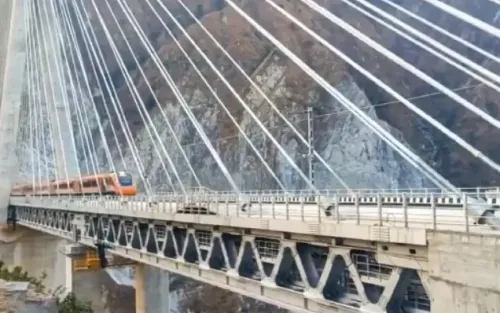
The Chenab Bridge in Reasi district , at 1,315 metres , is the world's highest railway arch bridge.
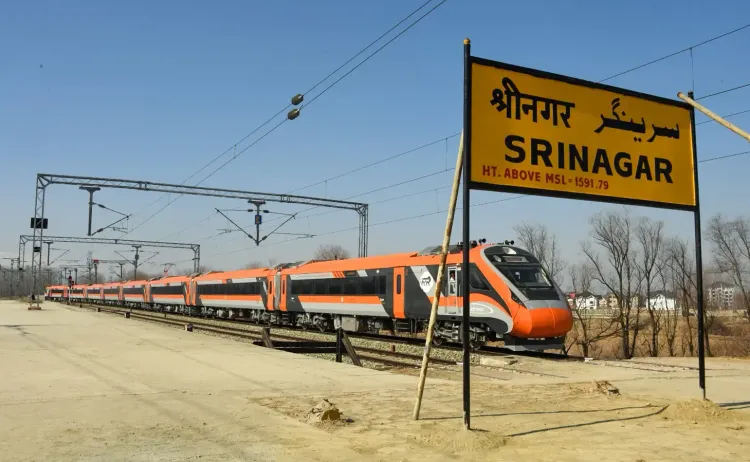
The Vande Bharat Express now covers the Jammu -to- Srinagar route in under five hours after its extension to Jammu Tawi in April 2026 .
110 road projects covering 598.455 km were launched under PMGSY-IV in August 2026 , costing over ₹1,500 crore and benefiting 46,972 people .
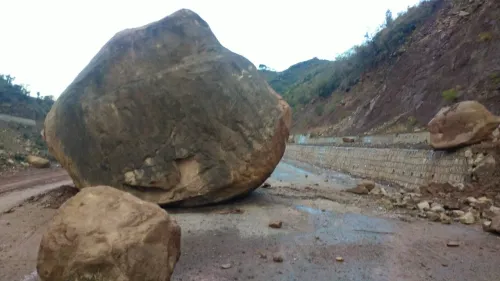
The Sonamarg and Zojila tunnels will provide year-round passage to Ladakh , ending seasonal road closures.
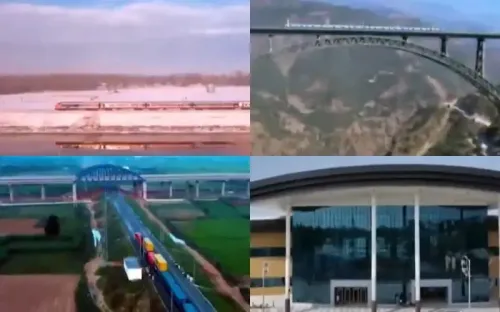
New freight terminals are connecting Kashmiri apples, saffron and handicrafts to national markets.
Jammu and Kashmir's formidable mountain terrain is giving way to a transformative era of multi-modal connectivity, with rail, road, and air projects now operating as a single integrated network, according to a government factsheet released on Saturday, 17 October 2026. The development marks a structural shift in the region's economic and social geography, with implications for trade, tourism, and everyday mobility.
The USBRL: A Railway First for the Valley
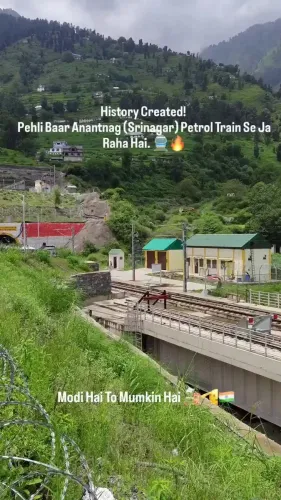
The Udhampur–Srinagar–Baramulla Rail Link (USBRL), inaugurated in June 2025 at a cost of ₹43,780 crore, has for the first time connected the Kashmir Valley to India's national rail network. Stretching 272 kilometres through the rugged Himalayas, the project encompasses 36 tunnels spanning 119 kilometres and 943 bridges — an engineering feat of rare scale. The project covers the districts of Udhampur, Reasi, Ramban, Srinagar, Anantnag, Pulwama, Budgam, and Baramulla. It is fully electrified across both tunnel stretches and open sections. Over 215 km of additional roads — including a tunnel and 320 bridges — have been constructed under the project to serve local communities.
Chenab Bridge: The World's Highest Railway Arch
The centrepiece of the USBRL is the Chenab Bridge in Reasi district, which stands as the world's highest railway arch bridge. Inaugurated alongside the rail link in June 2025, the structure is 1,315 metres long, spanning the Chenab River at a height that surpasses the Eiffel Tower. The bridge is now a symbol of India's infrastructure ambition in one of its most logistically complex regions.
Vande Bharat and Faster Connectivity
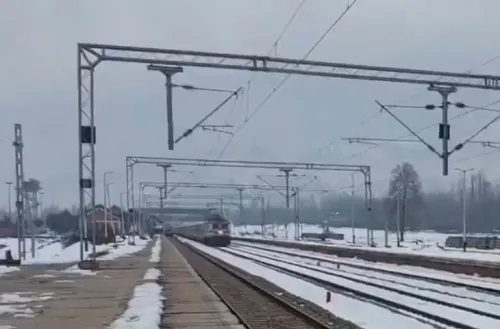
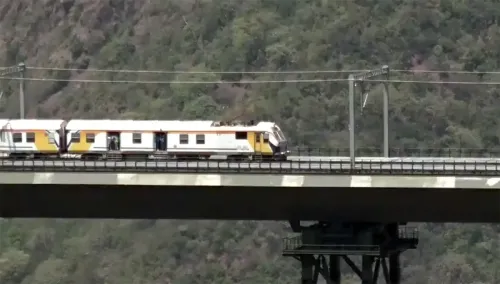
The Vande Bharat Express in Jammu and Kashmir commenced operations in June 2025, initially running between Katra and Srinagar. The service was subsequently extended to Jammu Tawi Railway Station in April 2026, reducing the Jammu-to-Srinagar journey to under five hours. Expanded Vande Bharat services are improving passenger mobility, while new freight terminals are facilitating the movement of Kashmiri apples, saffron, and handicrafts to national markets — opening fresh economic opportunities for farmers and small businesses.
Roads, Tunnels and Air Links
Road infrastructure is advancing in parallel. In August 2026, foundation stones were laid for 110 road projects covering 598.455 km under Pradhan Mantri Gram Sadak Yojana (PMGSY)-IV, at a combined outlay of more than ₹1,500 crore. These projects are expected to benefit 46,972 people across the Udhampur–Kathua–Doda–Kishtwar region. On tunnels, the Sonamarg and Zojila tunnels are set to enable year-round passage into Ladakh, ending seasonal isolation. In the air, Srinagar's expanding airport is being complemented by emerging hubs at Udhampur and Kishtwar. According to the government factsheet, 'these advances are drawing Kashmir's produce, trade and tourism firmly into the national mainstream.'
Broader Economic and Strategic Impact
Collectively, these developments represent a departure from decades of infrastructural underinvestment in the region. Notably, the convergence of rail, road, and air upgrades is expected to compress logistics costs and reduce the economic isolation that has historically constrained Kashmir's commercial potential. Analysts have noted that sustained freight connectivity could significantly improve farmer incomes and accelerate the region's integration with national supply chains. How quickly the private sector capitalises on the new infrastructure will be closely watched in the months ahead.
Point of View
Not just physical connection. Building the world's highest railway arch bridge is a landmark engineering achievement; ensuring Kashmiri farmers and traders can sustainably access the markets that freight terminals now promise is a different, harder challenge. The convergence of rail, road, and air upgrades also has clear strategic value for the Centre in a border-sensitive region, which means accountability for outcomes — job creation, income growth, tourism receipts — matters as much as the infrastructure announcements themselves.
NationPress
17 Oct 2026
Frequently Asked Questions
What is the USBRL project and when was it completed?
The Udhampur–Srinagar–Baramulla Rail Link (USBRL) is a ₹43,780 crore railway project that connects the Kashmir Valley to India's national rail network for the first time. It was inaugurated in June 2025 and spans 272 km through the Himalayas, including 36 tunnels and 943 bridges.
Why is the Chenab Bridge significant?
The Chenab Bridge in Reasi district, Jammu and Kashmir, is the world's highest railway arch bridge, standing 1,315 metres long over the Chenab River. It forms the centrepiece of the USBRL project and was inaugurated in June 2025.
How long does it now take to travel from Jammu to Srinagar by train?
Following the extension of the Vande Bharat Express service to Jammu Tawi Railway Station in April 2026, the Jammu-to-Srinagar journey now takes under five hours. The service originally launched between Katra and Srinagar in June 2025.
What road projects have been announced for Jammu and Kashmir in 2026?
In August 2026, foundation stones were laid for 110 road projects covering 598.455 km under Pradhan Mantri Gram Sadak Yojana (PMGSY)-IV, at a cost of over ₹1,500 crore. The projects are expected to benefit 46,972 people across the Udhampur–Kathua–Doda–Kishtwar region.
What is the significance of the Zojila and Sonamarg tunnels?
The Sonamarg and Zojila tunnels are set to provide year-round road access to Ladakh, which has historically been cut off during winter months due to heavy snowfall. Once completed, they will eliminate seasonal isolation and significantly improve logistics and mobility in the region.