Tushar Gandhi calls protest a 'no-confidence motion', vows weekly agitation
Synopsis
Released from detention in Mumbai, Tushar Gandhi declared the street protests a 'no-confidence motion' against the Modi government and CEC Gyanesh Kumar, vowing weekly nationwide agitation until their resignations. Despite police barricades sealing August Kranti Maidan and organisers being detained, he says ordinary citizens keep showing up — and will keep doing so.
Key Takeaways
Tushar Gandhi was detained at D.N.
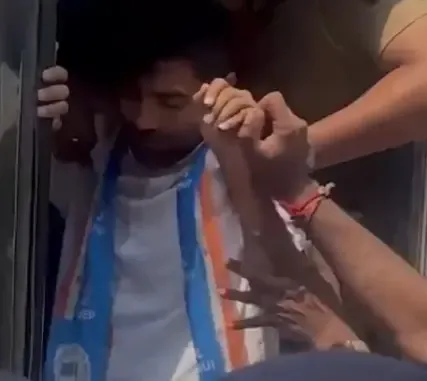
Nagar police station , later transferred to Borivali station , and released by 6 pm on Saturday ; his phone was reportedly not returned.
Gandhi described the protests as a ‘no-confidence motion’ by citizens against the government and alleged electoral manipulation by the ruling dispensation.
He vowed to organise protests across India every week until CEC Gyanesh Kumar and PM Narendra Modi’s cabinet step down.
Police sealed access roads to August Kranti Maidan in Mumbai and detained all those who arrived for the protest.
Gandhi urged climate activist Sonam Wangchuk to ‘take to the streets’ rather than make statements, signalling an attempt to widen the coalition.
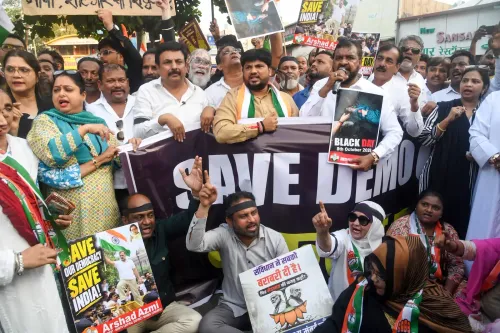
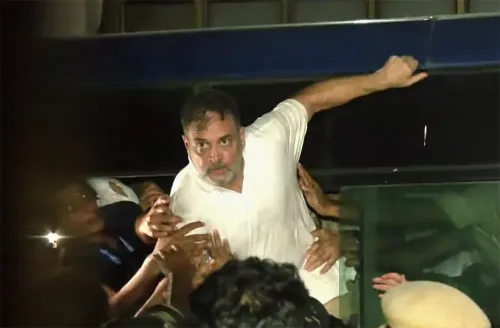
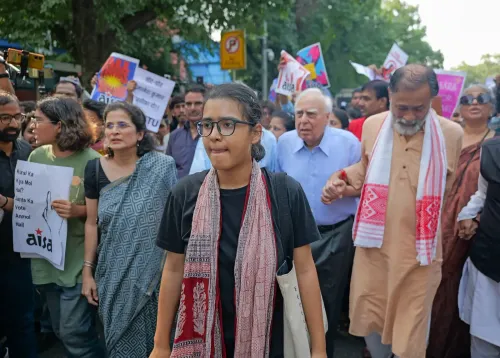
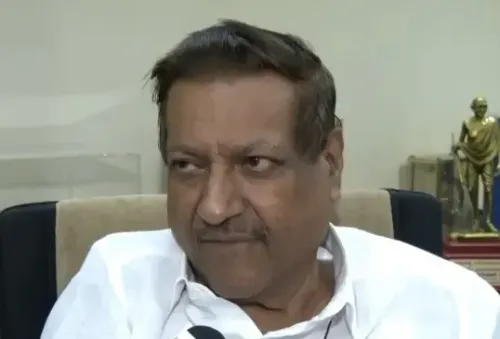
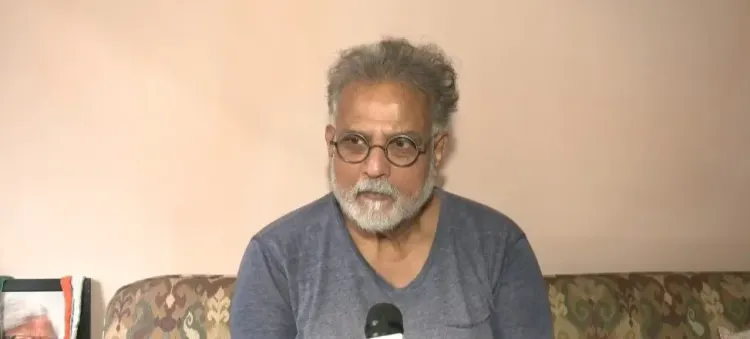
Mahatma Gandhi's great-grandson Tushar Gandhi on Sunday, 11 October 2026, declared the ongoing public demonstrations a “no-confidence motion” by ordinary citizens against the government, hours after being released from police detention in Mumbai. Gandhi vowed to sustain weekly nationwide protests until Chief Election Commissioner (CEC) Gyanesh Kumar resigns and Prime Minister Narendra Modi's entire cabinet steps down.
Detention and Release
Gandhi recounted that he was first taken to the D.N. Nagar police station and later transferred to Borivali station, reportedly on the grounds that, as a senior citizen, he required a medical examination. He said he was informed at 6 pm on Saturday that he would be released, but his mobile phone was withheld. According to Gandhi, a constable accompanying him had possession of the device and still had not returned it. Four officers subsequently drove him home in the same vehicle.
Protests Continue Despite Crackdown
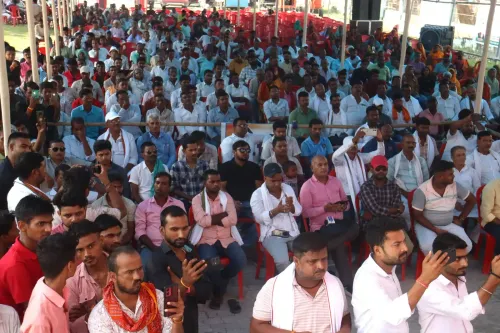
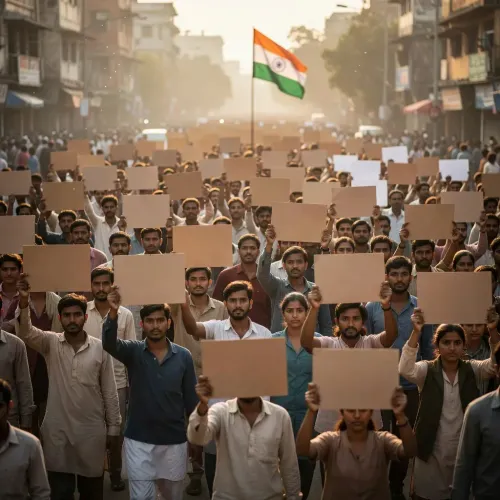
Gandhi said that despite his detention and the apprehension of other organisers, residents of Mumbai continued to arrive at August Kranti Maidan, and that the public was participating in the movement voluntarily. The protest at the historic ground had been planned to demand the resignation of CEC Gyanesh Kumar, mirroring a simultaneous demonstration at Jantar Mantar in Delhi.
However, police implemented strict security measures at August Kranti Maidan and surrounding areas before the protest could begin. Barricades were erected at multiple locations, access roads to the ground were sealed, and all those who arrived to join the demonstration were taken into custody, according to Gandhi's account.
Demands and Allegations
Gandhi alleged that the government had resorted to electoral manipulation and said the country had “never weakened” in its defence of democracy. He also framed the movement as a fight for the independence of the police. Notably, Gandhi directed a pointed message at climate activist Sonam Wangchuk, saying: “I would tell Sonam Wangchuk not to make statements but to take to the streets. Our movement will continue until our demands are met.”
What Happens Next
Gandhi reiterated that protest events would be held across India every week, with the movement continuing regardless of the detention of its organisers. This comes amid a broader wave of civic demonstrations targeting India's electoral oversight institutions, marking a significant escalation in organised opposition outside Parliament.
Point of View
However briefly, and the sealing of August Kranti Maidan — the ground synonymous with the 1942 Quit India movement — hand the protesters a potent symbolic narrative that mainstream coverage may underplay. The demand for the CEC’s resignation is the sharper ask here: it targets an institution rather than a policy, and that institutional focus makes this harder to dismiss as routine opposition agitation. Whether weekly protests sustain momentum or dissipate into a news cycle without structural political backing is the critical unanswered question.
NationPress
11 Oct 2026
Frequently Asked Questions
Why was Tushar Gandhi detained in Mumbai?
Tushar Gandhi was detained in connection with a planned protest at August Kranti Maidan in Mumbai on Saturday, which was organised to demand the resignation of Chief Election Commissioner Gyanesh Kumar. Police imposed strict security measures, sealed access roads to the ground, and took into custody all those who came to join the demonstration.
What are Tushar Gandhi’s demands?
Gandhi is demanding the resignation of Chief Election Commissioner Gyanesh Kumar and the stepping down of Prime Minister Narendra Modi’s entire cabinet. He has alleged electoral manipulation by the government and framed the protests as a movement for the independence of the police.
What is the significance of August Kranti Maidan in this protest?
August Kranti Maidan in Mumbai is the historic ground from which Mahatma Gandhi launched the Quit India Movement in 1942, making it a symbolically charged venue for anti-government demonstrations. Police sealing the ground and detaining protesters there adds a pointed historical dimension to the current agitation.
What did Tushar Gandhi say about Sonam Wangchuk?
Gandhi urged climate activist Sonam Wangchuk to stop making statements and instead ‘take to the streets,’ indicating an attempt to draw broader civil society figures into the protest movement.
How long will the protests continue?
Gandhi has vowed to organise similar protests across India every week until Chief Election Commissioner Gyanesh Kumar resigns and the Modi cabinet steps down. He said the movement would continue regardless of the detention of its organisers.