Mumbai cyber fraud: Two arrested for ₹4.98 lakh Mahanagar Gas impersonation scam
Synopsis
Two men are in custody after allegedly draining ₹4.98 lakh from a Mumbai resident's bank account by impersonating Mahanagar Gas staff and deploying a malicious APK file — the second such MGL impersonation fraud to surface in Mumbai within 48 hours, pointing to an organised scam network targeting utility customers.
Key Takeaways
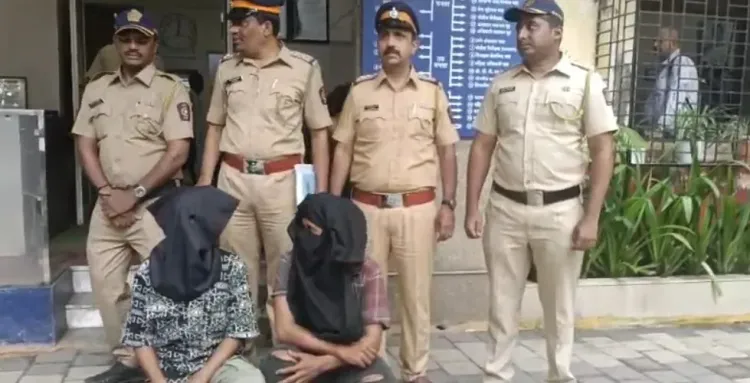
Dahisar Police arrested Ayush Rajesh Gupta and Ankit Sanjay Tiwari on 8 August for allegedly defrauding a victim of ₹4.98 lakh .
The accused posed as Mahanagar Gas Limited employees and tricked the victim into installing a malicious APK file , gaining remote device access.
Stolen funds were routed through multiple fake bank accounts; identified via digital tracking and banking record analysis.
A similar fraud was reported on 6 August in Navi Mumbai , where activist B.N.
Kumar lost over ₹1.5 lakh to MGL impersonators via a WhatsApp link.
Police have advised citizens not to download APK files or click unknown links related to gas bill updates, KYC, or account activation.
Dahisar Police in Mumbai have arrested two individuals for allegedly defrauding a man of ₹4.98 lakh by impersonating representatives of Mahanagar Gas Limited (MGL) and tricking him into installing a malicious APK application on his mobile phone. The arrests, made on 8 August, follow a targeted investigation involving technical analysis, digital tracking, and scrutiny of banking records.
How the Fraud Was Carried Out
According to police, the accused contacted the victim by phone, introducing themselves as Mahanagar Gas Limited employees. They claimed his gas bill records required an update and persuaded him to download an APK file — a third-party Android application package — under the guise of completing the process.
Once the victim installed the file, the accused gained remote access to his device and siphoned approximately ₹4.98 lakh from his linked bank account. Investigators found the stolen funds had been routed through multiple bank accounts to obscure the trail.
Who Was Arrested
The two accused have been identified as Ayush Rajesh Gupta and Ankit Sanjay Tiwari. Police said both individuals used fake bank accounts and digital channels to receive and layer the fraudulently obtained funds. Further investigation is underway to determine whether the duo were involved in similar cases and whether a larger network is operating behind them.
A Pattern of MGL Impersonation Scams
This arrest comes amid a documented rise in cyber fraud cases targeting customers of utility service providers. Notably, a strikingly similar incident was reported just two days earlier, on 6 August, when a Navi Mumbai-based environmental activist identified as B.N. Kumar was defrauded of more than ₹1.5 lakh by fraudsters also posing as Mahanagar Gas representatives.
In that case, Kumar received a message threatening disconnection of his domestic gas connection over an alleged unpaid bill. A caller then claimed a previous payment had not reflected in the system and sent a WhatsApp link mimicking an official MGL payment portal, showing an outstanding amount of just ₹12. Under the pretext of clearing that nominal sum, the fraudster persuaded Kumar to install an APK application and enter his credit card details, claiming debit card and UPI payment options were unavailable.
Police Advisory for Citizens
Dahisar Police have issued a public advisory urging residents to exercise caution. Officials warned against downloading APK files received via phone calls, messages, or social media links — particularly those linked to gas bill updates, KYC verification, or account activation processes. Citizens have also been advised not to click on suspicious links shared by unknown individuals and to verify any utility-related communication directly with the service provider through official channels.
With two MGL impersonation cases surfacing within 48 hours, cyber authorities are expected to intensify scrutiny of similar fraud networks operating across the Mumbai metropolitan region.
Point of View
A nominal payment hook, and an APK payload. What is striking is how low the technical barrier is; the ₹12 'outstanding bill' ruse in the Navi Mumbai case shows that the social engineering, not the malware, is the real weapon. Cyber cells across Maharashtra need to treat these not as isolated arrests but as entry points into a network. The broader concern is that utility impersonation fraud is scalable — any provider with a large retail customer base is a potential vector, and public awareness campaigns have so far not kept pace with the sophistication of the lures.
NationPress
8 Aug 2026
Frequently Asked Questions
How did the Mahanagar Gas cyber fraud in Mumbai work?
The accused called victims while posing as Mahanagar Gas Limited employees, claimed their gas bill needed updating, and persuaded them to download an APK file. Once installed, the app gave the fraudsters remote access to the victim's device, allowing them to transfer funds from his bank account.
Who were the two people arrested by Dahisar Police?
The arrested individuals are Ayush Rajesh Gupta and Ankit Sanjay Tiwari. Police say they used fake bank accounts and digital channels to receive and route the ₹4.98 lakh defrauded from the victim.
What is an APK file and why is it dangerous?
An APK (Android Package Kit) is a file used to install applications on Android devices outside of the official Google Play Store. Malicious APK files can grant fraudsters remote access to a victim's phone, including banking apps and stored credentials.
Was there a similar Mahanagar Gas fraud case recently?
Yes. On 6 August, Navi Mumbai-based activist B.N. Kumar was defrauded of over ₹1.5 lakh by fraudsters also posing as Mahanagar Gas representatives. They sent a WhatsApp link mimicking an official payment portal and convinced him to install an APK and enter his credit card details.
How can citizens protect themselves from utility impersonation scams?
Dahisar Police advise citizens not to download APK files sent via calls, messages, or social media links, and not to click on suspicious links from unknown numbers. Any communication about gas bills, KYC, or account activation should be verified directly with the service provider through its official helpline or website.