Meghalaya ILP demand: UDP meets Amit Shah, seeks indigenous safeguards
Synopsis
Meghalaya's UDP carried a sweeping set of demands to Union Home Minister Amit Shah — chief among them the Inner Line Permit, a contentious safeguard that the Centre says needs multi-state study before any decision. With the state's existing Sixth Schedule protections deemed insufficient by the party, the push for ILP reflects a deepening anxiety in Meghalaya over demographic change — and a political pressure point the Centre cannot easily dismiss.
Key Takeaways
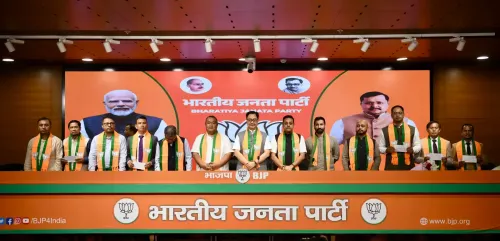
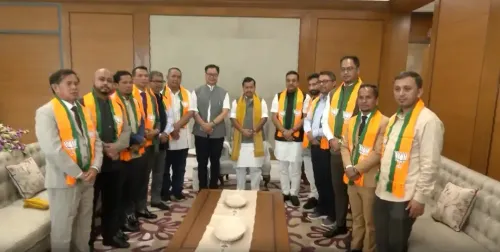
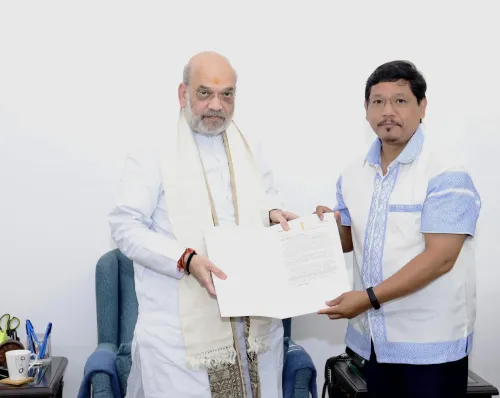
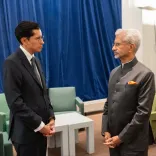
UDP delegation led by Cabinet Minister Lahkmen Rymbui met Home Minister Amit Shah on 12 August in New Delhi .
The party demanded implementation of the Inner Line Permit (ILP) in Meghalaya to protect indigenous communities.
The Centre said the ILP proposal requires examination as it has implications for multiple states .
Clearance sought for the Meghalaya Residents Safety and Security (Amendment) Bill, 2020 ; Shah cited 'two or three points' to be addressed first.
UDP also demanded inclusion of Khasi and Garo languages in the Eighth Schedule of the Constitution.
Other demands include recognition of indigenous faiths Niam Khasi and Niamtre , central aid for the state university, and a new border national highway.
The United Democratic Party (UDP) of Meghalaya has urged the Centre to expedite the implementation of the Inner Line Permit (ILP) system in the state, asserting that existing legal protections are no longer adequate to shield indigenous communities from growing demographic and socio-economic pressures. A UDP delegation met Union Home Minister Amit Shah in New Delhi on Wednesday, 12 August to press the demand alongside several other long-pending issues.
ILP Demand and Centre's Response
The delegation was led by Meghalaya Cabinet Minister Lahkmen Rymbui, who said the ILP proposal was discussed at length during the meeting. The Centre, however, indicated that the matter would require deeper examination given its implications for other states beyond Meghalaya.
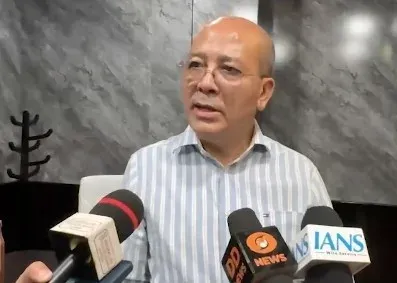
'We have discussed the ILP resolution. He said this has to be studied as it involves different states. We are not isolated. We will raise the issue from time to time,' Rymbui told reporters after the meeting.
Rymbui acknowledged that Meghalaya already benefits from protections under the Sixth Schedule of the Constitution and the Land Transfer Act, but argued that these are insufficient in the current context. 'With time, we realised we need more laws to protect the indigenous people of the state,' he said.
Pending Bills and Constitutional Demands
The delegation also pressed for early clearance of the Meghalaya Residents Safety and Security (Amendment) Bill, 2020, which was passed by the state Assembly and subsequently referred by the Governor to the Union Home Ministry. According to Rymbui, Shah indicated that there were 'two or three points' that Meghalaya needed to address before the Centre could consider granting approval.
On the constitutional front, the UDP sought the inclusion of Khasi and Garo languages in the Eighth Schedule of the Constitution. Shah reportedly indicated that the process was already underway and asked the state delegation to remain patient.
Other Key Demands Raised
The delegation raised the long-pending relocation of the Harijan Colony from Them Iew Mawlong, for which the state requires the allotment of defence land. On minority rights, the UDP sought legal recognition for indigenous faiths — Niam Khasi and Niamtre — arguing that followers of these traditional faiths should be entitled to minority-related benefits at par with recognised groups.
The party further requested central assistance for Meghalaya's state university, a revision of recruitment norms for 38 Eklavya Model Residential Schools in the state, and the construction of a new national highway along the international border, running from Mahendraganj through Baghmara and Ranikor.
What Happens Next
The Centre's response on ILP — that the issue requires study due to its multi-state implications — signals a cautious approach rather than an outright rejection. The UDP has indicated it will continue to raise the demand through successive engagements. With the Meghalaya Residents Safety and Security (Amendment) Bill, 2020 still pending Home Ministry clearance and the Eighth Schedule push described as 'underway,' the outcomes of Wednesday's meeting remain largely procedural for now. Observers will watch whether the Centre moves on any of these demands ahead of the next legislative session.
Point of View
The list reveals how comprehensively the state feels under-served by New Delhi. The pending 2020 safety bill — referred by the Governor over four years ago — is a particular accountability gap that deserves scrutiny. Without binding timelines from the Centre, Wednesday's meeting risks becoming another entry in a long record of acknowledged-but-unresolved Meghalaya demands.
NationPress
27 Sept 2026
Frequently Asked Questions
What is the Inner Line Permit (ILP) and why is Meghalaya demanding it?
The Inner Line Permit is a travel document required by non-residents to enter certain protected states, primarily to safeguard indigenous populations from demographic change. Meghalaya's UDP argues that existing protections under the Sixth Schedule and the Land Transfer Act are no longer sufficient, and that ILP is needed to shield the state's indigenous communities from socio-economic pressures.
What was the Centre's response to the ILP demand?
Union Home Minister Amit Shah indicated that the ILP proposal would require careful examination because its implementation has implications for other states beyond Meghalaya. The Centre did not reject the demand outright but signalled a cautious, consultative approach.
What is the Meghalaya Residents Safety and Security (Amendment) Bill, 2020?
It is a bill passed by the Meghalaya state Assembly that was subsequently referred by the Governor to the Union Home Ministry for approval. Shah told the UDP delegation that there were 'two or three points' the state needed to address before the Centre could clear the bill.
Which languages did the UDP seek to include in the Eighth Schedule?
The UDP sought the inclusion of Khasi and Garo languages in the Eighth Schedule of the Constitution, which lists officially recognised Indian languages. Shah reportedly said the process was already underway and asked the delegation to be patient.
What other demands did the UDP raise with Amit Shah?
The delegation sought legal recognition for indigenous faiths Niam Khasi and Niamtre, central assistance for Meghalaya's state university, revised recruitment norms for 38 Eklavya Model Residential Schools, relocation of the Harijan Colony from Them Iew Mawlong, and a new national highway along the international border from Mahendraganj through Baghmara and Ranikor.