Eight UDP MLAs join BJP, boosting party strength to 10 in Meghalaya
Synopsis
Eight sitting UDP MLAs have joined the BJP in a single move, catapulting the party from a two-seat fringe player to the second-largest force in Meghalaya's Assembly. The switch — negotiated on demands ranging from Khasi language recognition to coal mining policy — fundamentally redraws the state's coalition arithmetic ahead of the next elections.
Key Takeaways
Eight UDP MLAs formally joined the BJP on 23 September 2026 at party headquarters in New Delhi .
BJP's strength in Meghalaya's 60-member Assembly rises from 2 to 10 , making it the second-largest party.
The UDP is left with just 4 MLAs , down from 12 before the defection.
The National People's Party (NPP) remains the largest party with 33 seats .
Key demands behind the switch include Khasi language recognition in the Eighth Schedule, coal mining concerns, and implementation of the Meghalaya Residents Safety and Security Act .
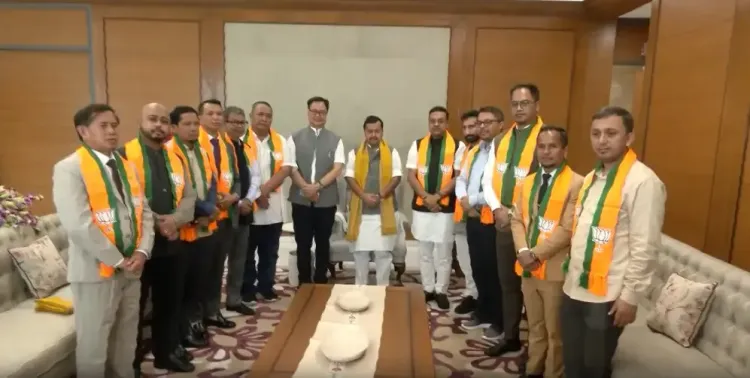
Union Minister Kiren Rijiju and Northeast in-charge Sambit Patra presided over the induction ceremony.
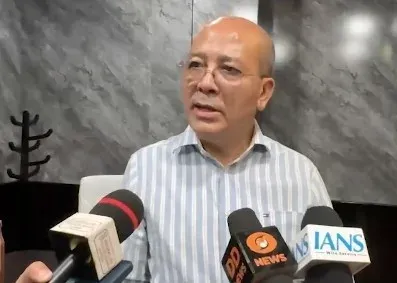
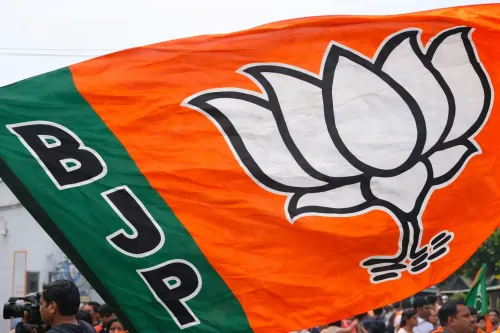
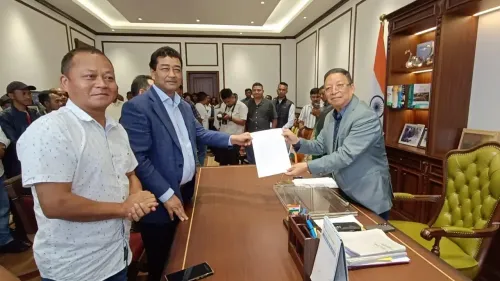
The Bharatiya Janata Party (BJP) significantly expanded its presence in Meghalaya on 23 September 2026 as eight sitting legislators of the regional United Democratic Party (UDP) formally switched allegiance, lifting the BJP's tally in the 60-member state Assembly from two to 10. The induction ceremony was held at BJP headquarters in New Delhi.
Who Joined and Who Was Present
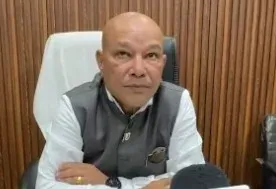
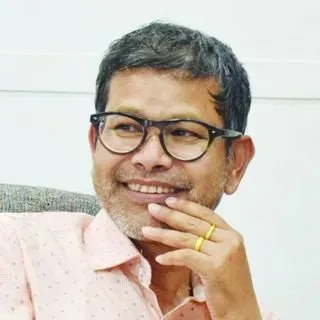
The eight legislators formally inducted were Lahkmen Rymbui, Kyrmen Shylla, Balajied Kupar Synrem, Synshar Kupar Roy Lyngdoh Thabah, Pius Marwein, Mayralborn Syiem, Ollan Sing Suin, and Matthew Beyondstar Kurbah. Senior BJP leaders present at the event included Union Minister Kiren Rijiju and national spokesperson and Northeast in-charge Sambit Patra.
What the BJP Said
Welcoming the new entrants, Rijiju said the legislators' decision was driven by the development initiatives undertaken by the Narendra Modi-led government in the Northeast. He contrasted the Centre's current engagement with the region against what he described as the neglect of previous Congress-led governments. Rijiju added that Prime Minister Modi had visited the Northeast more than 80 times for development programmes and outreach, excluding election-related visits. The Union Minister also said the induction would strengthen the government led by Chief Minister Conrad K. Sangma and improve coordination among BJP and its National Democratic Alliance (NDA) partners in the state.
Impact on Assembly Arithmetic
The political realignment dramatically alters the balance of power in Meghalaya's legislature. The UDP, which held 12 seats before the defection, is now reduced to just four MLAs. The BJP, now with 10 legislators, becomes the second-largest party in the Assembly, trailing only the National People's Party (NPP), which commands 33 seats. This is the most significant numerical shift in the state's Assembly since the last general election.
The Demands Behind the Switch
According to reports, the eight legislators had held discussions with the BJP leadership on several Meghalaya-specific issues before finalising the move. Among the key demands raised were the inclusion of the Khasi language in the Eighth Schedule of the Constitution, coal mining-related concerns, implementation of the Meghalaya Residents Safety and Security Act, and the proposed relocation of Harijan Colony from Them Iew Mawlong. Kyrmen Shylla had reportedly stated earlier that the group was seeking firm assurances from the BJP leadership on these matters before committing to the switch.
Political Implications Ahead
The latest realignment is expected to reshape political equations in Meghalaya considerably ahead of the next state Assembly elections. A stronger BJP presence within the ruling coalition could give the party greater leverage in policy decisions and potentially accelerate resolution of the Meghalaya-specific demands that the incoming MLAs have flagged. Whether those assurances translate into concrete outcomes will be closely watched by the state's electorate.
Point of View
Coal mining policy, and a colonial-era colony's relocation all reportedly on the table. That the BJP agreed to receive these legislators amid those unresolved demands suggests New Delhi values numerical dominance in the Northeast coalition over ideological coherence. The real question is whether the BJP will deliver on those assurances or whether the new MLAs will find themselves as marginalised inside the tent as outside it. With the NPP holding 33 of 60 seats, the BJP's ascent to 10 seats does not threaten Chief Minister Sangma's position — but it does give the party a credible veto voice it lacked before.
NationPress
23 Sept 2026
Frequently Asked Questions
Why did eight UDP MLAs join the BJP in Meghalaya?
The eight legislators reportedly held pre-switch discussions with BJP leadership on several state-specific issues, including Khasi language inclusion in the Eighth Schedule, coal mining concerns, and implementation of the Meghalaya Residents Safety and Security Act. Union Minister Kiren Rijiju cited the Modi government's development push in the Northeast as a key factor.
What is BJP's new strength in the Meghalaya Assembly?
After the induction of eight UDP MLAs on 23 September 2026, the BJP now holds 10 seats in the 60-member Meghalaya Assembly, up from just two. This makes BJP the second-largest party in the House, behind the National People's Party, which holds 33 seats.
How does this affect the UDP?
The United Democratic Party's Assembly strength has fallen from 12 MLAs to just four following the defection. This significantly weakens the UDP's bargaining power within the state's political landscape.
Who are the eight MLAs who joined the BJP?
The eight legislators are Lahkmen Rymbui, Kyrmen Shylla, Balajied Kupar Synrem, Synshar Kupar Roy Lyngdoh Thabah, Pius Marwein, Mayralborn Syiem, Ollan Sing Suin, and Matthew Beyondstar Kurbah. All were sitting UDP MLAs in the Meghalaya Assembly.
What are the political implications for Meghalaya ahead of elections?
The realignment strengthens the BJP's position within the ruling NDA coalition in Meghalaya and is expected to influence political equations ahead of the next Assembly elections. A larger BJP bloc may gain greater policy influence, though the NPP under Chief Minister Conrad K. Sangma retains a commanding majority.