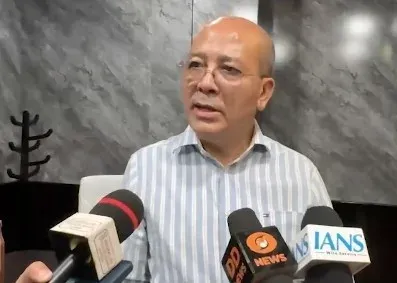
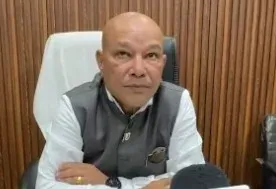
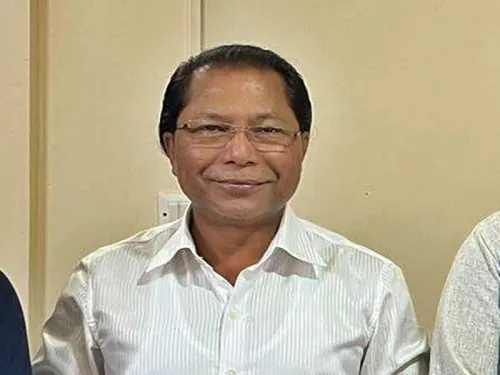
Meghalaya UDP MLAs in BJP talks: 9 of 12 legislators may defect
Synopsis
At least nine of UDP's twelve Meghalaya MLAs are reportedly in advanced talks to join the BJP — a move that would multiply the party's Assembly strength from two to potentially eleven seats. With TMC legislators also said to be in discussions, and the next round of talks set for 30 August in New Delhi, Meghalaya's political map could look very different before 2028.
Key Takeaways
At least nine of the UDP's 12 MLAs in Meghalaya are reportedly preparing to join the BJP , according to sources.
The next round of talks is scheduled for 30 August in New Delhi ; five UDP legislators had already travelled to the capital.
UDP president Metbah Lyngdoh denied knowledge of any defection; BJP and UDP have both declined public comment.
The BJP currently holds only two seats in the 60-member Assembly ; nine additions would push it into double digits.
Some TMC legislators are also reportedly in discussions with the BJP, broadening the potential realignment.
The developments could affect the ruling NPP -led coalition and create space for regional parties like the VPP to expand.
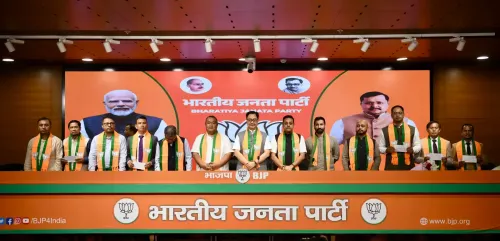
At least nine of the United Democratic Party's (UDP) 12 legislators in Meghalaya are reportedly preparing to join the Bharatiya Janata Party (BJP), according to sources, in what could mark one of the most significant political realignments the state has seen since the current Assembly was constituted. The reported move follows a fresh round of discussions between UDP legislators and senior BJP leaders, with the next phase of talks expected in New Delhi on Sunday, 30 August.
Key Developments
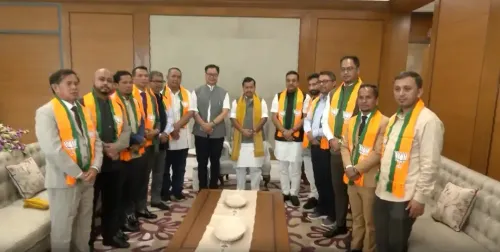
Sources indicate that five UDP MLAs had already travelled to the national capital ahead of the scheduled discussions, with the remaining legislators likely to follow. A senior UDP leader, speaking on condition of anonymity, said growing internal differences — particularly over the leadership of UDP president Metbah Lyngdoh — had contributed to the reported drift. Lyngdoh, however, denied any knowledge of a possible defection. Both the BJP and UDP have publicly maintained silence, leaving the proposed switch unconfirmed as of now.
What It Means for Meghalaya's Assembly
The BJP currently holds just two seats in the 60-member Meghalaya Legislative Assembly. The induction of nine UDP legislators would dramatically raise its tally, potentially pushing the party into double digits for the first time. Such a shift would give the BJP a meaningful footprint in the Khasi and Jaintia Hills, where regional parties have traditionally dominated electoral politics.
Political sources also claim that negotiations may extend beyond the UDP, with some Trinamool Congress (TMC) legislators reportedly holding parallel discussions with BJP leaders — adding a further layer of uncertainty to an already fluid situation.
Impact on the Ruling Alliance and Regional Parties
The developments carry implications for the ruling coalition led by Chief Minister Conrad K. Sangma's National People's Party (NPP), which currently commands 33 MLAs. A strengthened BJP within the Assembly could bolster the ruling camp in the short term, but analysts note it could equally intensify intra-alliance competition ahead of the 2028 Assembly elections.
For the UDP, the reported departure of nine of its twelve legislators would represent a serious organisational blow. The party has long positioned itself as a guardian of Meghalaya's distinct regional and cultural identity. A mass exodus to a national party could open space for other regional formations — notably the Voice of the People Party (VPP) — to consolidate their base.
BJP's Broader Strategy in the Northeast
The BJP's state leadership has reportedly signalled its intent to build an independent electoral base in Meghalaya ahead of 2028, moving away from dependence on pre-poll alliances. Attracting sitting legislators would provide an immediate organisational dividend — bringing with them local networks, established constituencies, and legislative experience. This comes amid the BJP's wider push to deepen its presence across the Northeast, where it has relied heavily on alliance partners in several states.
What Happens Next
The 30 August discussions in New Delhi are being closely watched as a potential inflection point. For now, all parties involved have declined to comment publicly, and the proposed defections remain unconfirmed. Should the talks materialise into a formal switch, Meghalaya could be looking at a sharply reconfigured multi-cornered contest well before the next state election.
Point of View
Absorb sitting legislators with existing networks. But the arithmetic is double-edged: a stronger BJP inside the NPP-led coalition creates a rival power centre that Conrad Sangma will have to manage carefully. The real beneficiary of a fractured UDP could be the VPP, which has been quietly building credibility as the authentic regional alternative. Watch that space.
NationPress
14 Oct 2026
Frequently Asked Questions
Which UDP MLAs are in talks to join the BJP in Meghalaya?
According to sources, at least nine of the United Democratic Party's twelve legislators in Meghalaya are reportedly in discussions to join the BJP. Specific names have not been officially confirmed, and all parties involved have declined to comment publicly.
When are the next round of UDP-BJP talks scheduled?
The next phase of discussions is reportedly scheduled for Sunday, 30 August, in New Delhi. Five UDP MLAs had already travelled to the capital ahead of the meeting, with the remaining legislators expected to join them.
How would this defection change the Meghalaya Assembly balance?
The BJP currently holds only two seats in the 60-member Meghalaya Assembly. The addition of nine UDP legislators would push its tally into double digits, significantly expanding its presence — particularly in the Khasi and Jaintia Hills region.
What has UDP president Metbah Lyngdoh said about the defection reports?
Metbah Lyngdoh denied having any information about a possible defection. A senior UDP leader speaking anonymously attributed the reported drift to internal differences within the party, including over Lyngdoh's leadership.
Could TMC legislators also join the BJP in Meghalaya?
Political sources suggest some Trinamool Congress legislators are also reportedly in discussions with BJP leaders, though this too remains unconfirmed. If both sets of defections materialise, it could represent a sweeping restructuring of Meghalaya's political landscape ahead of the 2028 Assembly elections.