UNC suspends 4-month Manipur highway blockade after Guwahati tripartite talks
Synopsis
After nearly four months of economic siege, the United Naga Council lifted its blockade on Manipur’s two vital national highways on 26 September, following a tripartite agreement with the Centre and the state government in Guwahati. The move ends a supply crisis triggered by the abduction and killing of six Naga civilians in May, but the accountability question that sparked it all remains open.
Key Takeaways
The United Naga Council (UNC) suspended its nearly four-month economic blockade on Manipur’s national highways with effect from 6 pm, 26 September 2026 .
The decision followed a tripartite meeting at the BSF Guwahati Frontier headquarters involving the Union MHA , the Manipur government , and the UNC .
The blockade was imposed in May 2026 after six Naga civilians were kidnapped from Leilon Vaiphei village, Kangpokpi district ; their bodies were recovered on 10 June .
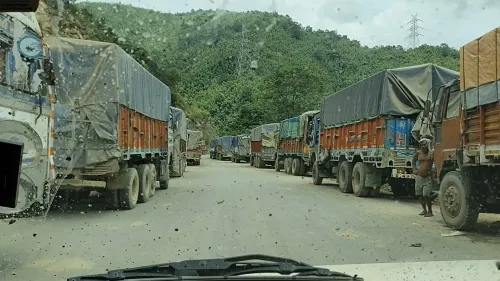
The disruption had choked supplies on NH-2 (Imphal-Dimapur) and NH-37 (Imphal-Jiribam) , Manipur’s two primary road lifelines, pushing up commodity prices.
Lorho confirmed the suspension in a formal statement, citing the agreement reached in Guwahati.
The underlying accountability demands over the six civilian deaths remain unresolved, leaving the peace process at an early stage.
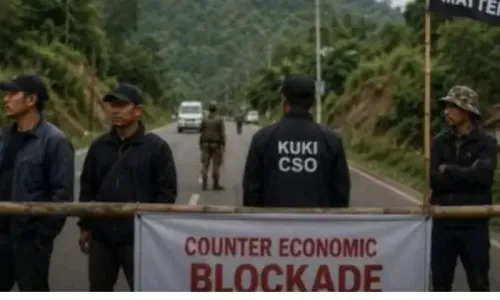
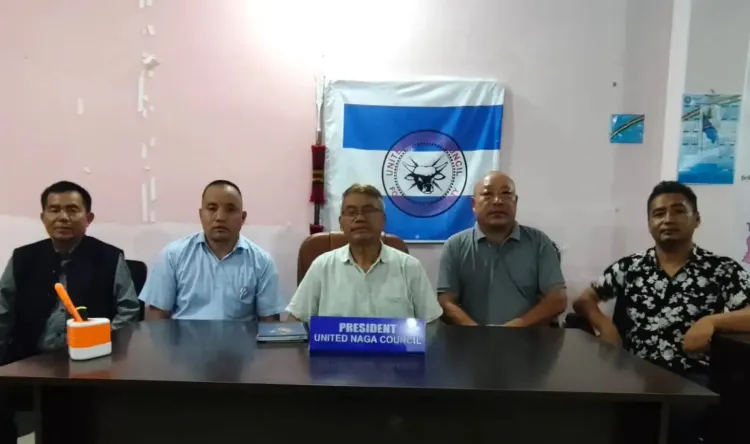
The United Naga Council (UNC), the apex body of Naga tribes in Manipur, on Saturday, 26 September 2026, announced the suspension of its nearly four-month-old economic blockade along the state's national highways, effective 6 pm Saturday, following a tripartite meeting with the Centre and the Manipur government held at the BSF Guwahati Frontier headquarters at Garbhanga, near Guwahati, Assam. The decision ends a prolonged disruption that had choked the supply of essential commodities and fuel into the landlocked northeastern state.
What Was Decided at Guwahati
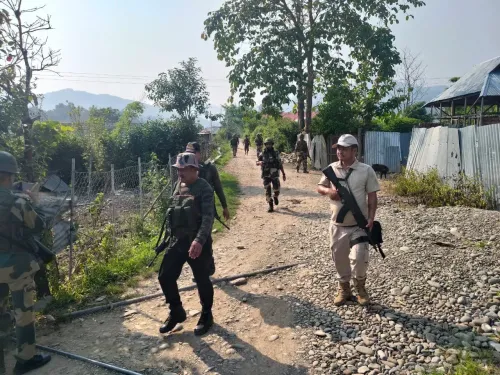
The tripartite meeting brought together officials from the Union Ministry of Home Affairs (MHA), the Manipur government, and leaders of the UNC. The talks focused on the prevailing law and order situation in Manipur and broader peace-building measures, according to a senior official of the Manipur Home Department.
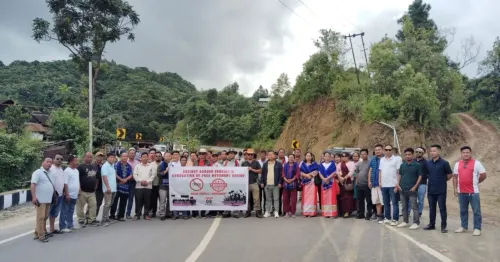
UNC President N.G. Lorho, in a statement after the meeting, said the council had decided to suspend the ongoing blockade following the agreement reached during the talks. “The United Naga Council appreciates the cooperation and solidarity extended by all concerned during the course of the agitation,” the statement read.
Why the Blockade Was Imposed
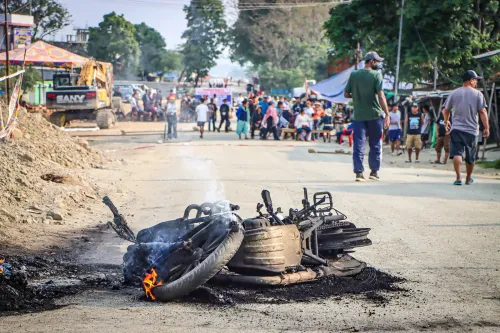
The UNC had imposed the blockade in May after six Naga civilians were kidnapped from Leilon Vaiphei village in Kangpokpi district, an area predominantly inhabited by Kuki-Zo tribals. The bodies of the six abducted individuals were recovered on 10 June, triggering widespread anger and agitations across parts of Manipur. The UNC had maintained that the blockade would continue until concrete action was taken over the killings and other related demands.
Kangpokpi district sits along one of Manipur’s most sensitive ethnic fault lines, and the abduction-and-killing episode added another layer of tension to a state already roiled by inter-community conflict. This is not the first time Naga civil society bodies have deployed highway blockades as a pressure tool; the tactic has historically forced central intervention and dialogue.
Impact on Essential Supplies
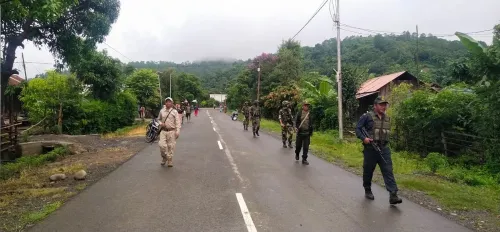
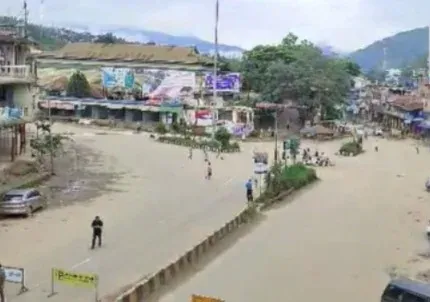
The two highways at the centre of the blockade — the Imphal-Jiribam National Highway (NH-37) and the Imphal-Dimapur National Highway (NH-2) — are Manipur’s primary road lifelines connecting the state to the rest of the country. Their blockage severely curtailed the movement of food, fuel, and other essential goods, driving up prices across the state. The prolonged disruption also impeded vehicle movement through Naga-inhabited areas along both corridors.
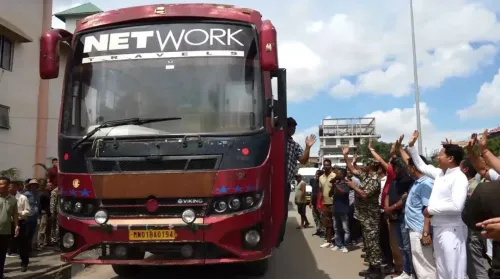
With the suspension now in effect, authorities expect the free flow of supplies through NH-2 and NH-37 to resume, easing the commodity crunch that residents had endured for months.
Significance for Manipur’s Peace Process
The Guwahati meeting is being viewed as an important step toward restoring normalcy and creating conditions for wider peace-building in Manipur. The tripartite format — involving the Centre, the state government, and a major Naga civil society body — signals a deliberate attempt by New Delhi to re-engage all ethnic stakeholders rather than address the crisis bilaterally. Notably, the choice of Guwahati as a neutral venue, away from the charged atmosphere of Imphal, reflects the sensitivity of negotiations at this stage.
The suspension of the blockade is widely expected to be a precursor to further structured dialogue, though the underlying grievances around accountability for the deaths of the six Naga civilians remain unresolved.
Point of View
Not a resolution. The six Naga civilian deaths that triggered the blockade remain unaccounted for, and no public detail of what the Centre conceded to secure the suspension has emerged — a transparency gap that will embolden future leverage plays by ethnic bodies. Manipur’s recurring highway blockades reveal a structural problem: the state’s geography makes it uniquely vulnerable to supply coercion, and successive governments have repeatedly traded dialogue for temporary normalcy without addressing the underlying impunity that makes such tactics effective. Until the accountability question is answered, the next blockade is likely already in the making.
NationPress
26 Sept 2026
Frequently Asked Questions
Why did the United Naga Council impose the Manipur highway blockade?
The UNC imposed the blockade in May 2026 after six Naga civilians were abducted from Leilon Vaiphei village in Kangpokpi district, Manipur. Their bodies were recovered on 10 June, triggering widespread anger and prompting the UNC to demand accountability before lifting the agitation.
Which highways were blocked and why do they matter?
The blockade covered NH-2 (Imphal-Dimapur) and NH-37 (Imphal-Jiribam), Manipur’s two main national highway links to the rest of India. As a landlocked state, Manipur depends heavily on these corridors for food, fuel, and essential supplies, making any disruption acutely felt by residents.
What was agreed at the Guwahati tripartite meeting?
The meeting at the BSF Guwahati Frontier headquarters brought together officials from the Union Ministry of Home Affairs, the Manipur government, and UNC leadership. An agreement was reached that led the UNC to suspend the blockade with effect from 6 pm on 26 September 2026, though the specific terms have not been made fully public.
Is the Manipur peace process now resolved?
No. The suspension of the blockade is an early step in a wider peace-building process, but the core demands — including accountability for the deaths of the six Naga civilians — remain unaddressed. Further structured dialogue between the Centre, the Manipur government, and Naga and other ethnic organisations is expected.
Who is the UNC and what role does it play in Manipur?
The United Naga Council is the apex body representing Naga tribes in Manipur. It has historically served as a key interlocutor between Naga civil society and the government, and has used highway blockades in the past as a pressure mechanism to force dialogue on community grievances.