PM Surya Ghar Yojana: J&K installs 46,133 rooftop solar units, beats national pace
Synopsis
Jammu and Kashmir is ahead of India's national average on rooftop solar adoption, with 46,133 units installed under PM Surya Ghar — 55.24% of its target — even as bank loan rejections and vendor shortages threaten to slow the final push before the March 2027 deadline.
Key Takeaways
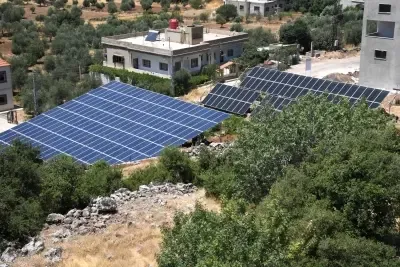
J&K has installed 46,133 rooftop solar units under PM Surya Ghar Muft Bijli Yojana , achieving 55.24% of its target.
The UT's progress exceeds the national average of 50.80% , against a target of 83,500 installations by 31 March 2027 .
Cumulative rooftop solar capacity in J&K stands at 165.24 MW — 62.69 MW under JPDCL and 102.55 MW under KPDCL.
A total of ₹344.14 crore in central subsidy and ₹13 crore in UT subsidy have been credited to beneficiaries.
8,850 of 12,994 targeted government buildings have been solarised, with 95.64 MW of combined capacity.
Chief Secretary Atal Dulloo directed discoms to resolve bank loan rejections and vendor bottlenecks to sustain installation pace.
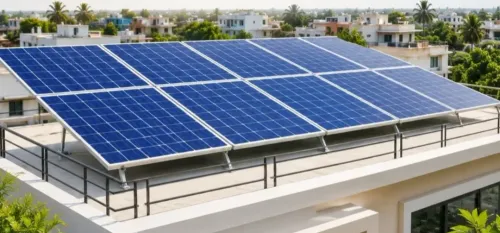
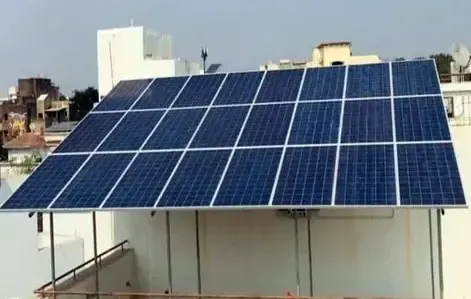
Jammu and Kashmir has installed 46,133 rooftop solar power units under the PM Surya Ghar Muft Bijli Yojana, achieving 55.24% of its total target — outpacing the national average of 50.80%, officials announced on 8 October 2026 at a high-level review meeting in Srinagar. The UT's target stands at 83,500 installations by 31 March 2027.
Installation Breakdown Across Discoms
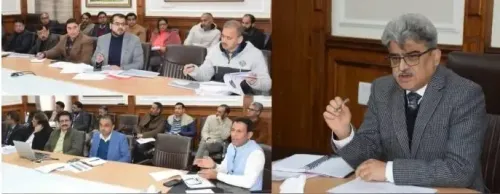
Additional Chief Secretary, Power Development Department, Ashwani Kumar shared the figures at a review meeting chaired by Chief Secretary Atal Dulloo. Of the total installations, 17,809 have been completed in areas under the Jammu Power Distribution Corporation Ltd (JPDCL), adding a capacity of 62.69 MW. A further 28,324 installations have been completed under the Kashmir Power Development Corporation Ltd (KPDCL), contributing 102.55 MW. Together, J&K's cumulative rooftop solar capacity now stands at 165.24 MW.
Subsidies Credited to Beneficiaries
The meeting was informed that ₹344.14 crore in central subsidy and ₹13 crore in UT subsidy have so far been credited directly to beneficiaries' bank accounts. The financial assistance is disbursed based on the capacity of the rooftop solar system installed at each household.
Bottlenecks and Directives from Chief Secretary
Chief Secretary Dulloo directed the Power Development Department (PDD) and implementing agencies to address the bottlenecks slowing installations, with particular focus on bank financing, vendor availability and distribution, metering, and expeditious execution of Power Purchase Agreements (PPAs). Notably, a high rejection rate on bank loans was flagged at the meeting. Dulloo directed the discoms to take up all rejected loan cases with the concerned banks to unlock financing for eligible households.
Government Buildings Solarisation on Track
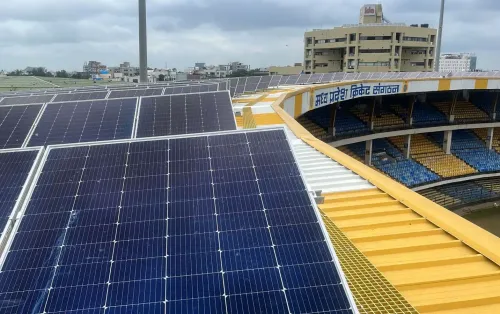
Reviewing progress on the solarisation of government buildings, officials reported that 8,850 of a target 12,994 government buildings have already been solarised, with a combined installed capacity of 95.64 MW. This includes 4,793 buildings covered under PM Surya Ghar and hybrid projects (41.50 MW), and 4,057 buildings solarised under an ongoing programme (54.14 MW). According to officials, materials have been supplied to 1,300 additional buildings, 943 sites are under active implementation, and surveys are underway for another 1,901 buildings.
About PM Surya Ghar Muft Bijli Yojana
The PM Surya Ghar Muft Bijli Yojana is a central government scheme designed to promote rooftop solar panel installations and provide eligible residential households with up to 300 units of free electricity per month. The scheme targets 1 crore households across India, backed by a central budget of ₹75,021 crore. J&K's ahead-of-national-average progress signals strong implementation momentum in the Union Territory, though officials say financing and vendor-related hurdles must be resolved to sustain the pace through the March 2027 deadline.
Point of View
Vendor shortages, pending PPAs — are not peripheral issues; they are precisely the friction points that have stalled last-mile solar adoption in other states. With roughly 45% of the target still to be met in under 18 months, the administration's ability to resolve financing access, not just its installation machinery, will determine whether J&K turns a mid-course lead into a completed target. The high rejection rate on bank loans deserves particular scrutiny: if creditworthy households are being turned away, the scheme's inclusive intent is being undermined at the implementation layer.
NationPress
8 Oct 2026
Frequently Asked Questions
How many rooftop solar units has J&K installed under PM Surya Ghar Muft Bijli Yojana?
J&K has installed 46,133 rooftop solar units under the PM Surya Ghar Muft Bijli Yojana as of 8 October 2026, representing 55.24% of its total target of 83,500 installations. This progress is ahead of the national average of 50.80%.
What is the total rooftop solar capacity installed in Jammu and Kashmir?
The cumulative rooftop solar capacity in J&K stands at 165.24 MW — comprising 62.69 MW from 17,809 installations in JPDCL areas and 102.55 MW from 28,324 installations in KPDCL areas.
How much subsidy has been disbursed to beneficiaries in J&K under PM Surya Ghar?
A total of ₹344.14 crore in central government subsidy and ₹13 crore in UT subsidy have been credited directly to beneficiaries' bank accounts in Jammu and Kashmir.
What bottlenecks are slowing rooftop solar installations in J&K?
Chief Secretary Atal Dulloo highlighted bank financing difficulties — including a high loan rejection rate — along with vendor availability and distribution issues, metering delays, and slow execution of Power Purchase Agreements (PPAs) as key hurdles. He directed discoms to take up rejected loan cases with the concerned banks.
What is the PM Surya Ghar Muft Bijli Yojana and what does it offer?
PM Surya Ghar Muft Bijli Yojana is a central government scheme that promotes rooftop solar installations and offers eligible residential households up to 300 units of free electricity per month. The scheme targets 1 crore households across India and is backed by a central outlay of ₹75,021 crore.