Maharashtra drought relief: Fadnavis orders foodgrain supply to 265 talukas
Synopsis
With 265 talukas formally classified under Trigger-1 drought conditions following a deficient June-to-September monsoon, Maharashtra CM Devendra Fadnavis has ordered an immediate foodgrain blitz — from NFSA enrolment drives to One Nation One Ration Card portability for migrant workers. The scale of the directive signals that the state's rural safety net is under serious stress this post-monsoon season.
Key Takeaways
Maharashtra CM Devendra Fadnavis on 10 October 2026 ordered immediate foodgrain supply to 265 drought-affected talukas .
The Relief and Rehabilitation Department formally notified Trigger-1 drought conditions following rainfall deficits in the June–September monsoon period.
Free foodgrains will be distributed under the National Food Security Act (NFSA) ; uncovered eligible residents will be rapidly enrolled.
Migrant beneficiaries can access rations via 'One Nation, One Ration Card' portability, backed by expedited Aadhaar seeding.
District collectors and food supply officials have been placed on high alert to prevent leakages and ensure transparency at fair-price shops .
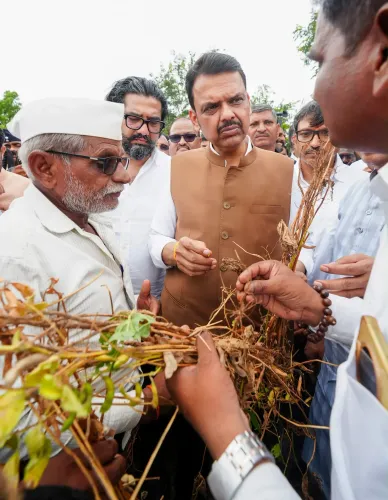
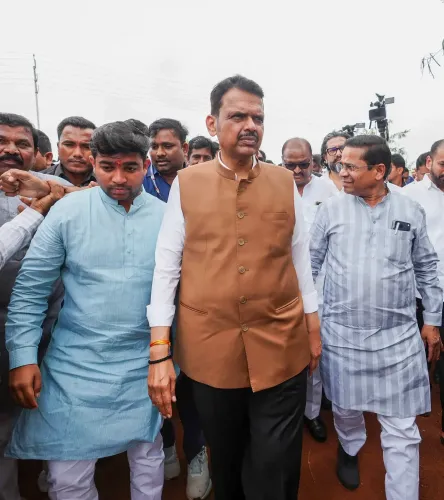
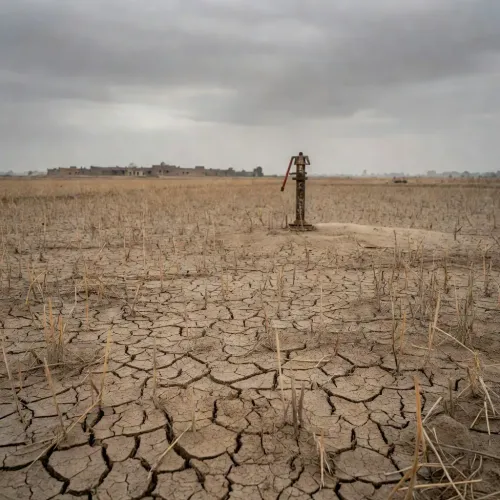
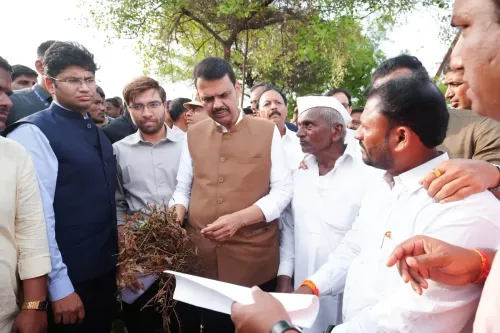
Maharashtra Chief Minister Devendra Fadnavis on Saturday, 10 October 2026, directed state administrative machinery to ensure immediate and uninterrupted supply of foodgrains to 265 drought-affected talukas across Maharashtra, as the state grapples with mounting agrarian distress following a deficient monsoon season. The move comes after the state's Relief and Rehabilitation Department formally notified 'Trigger-1' drought conditions across the affected talukas, citing rainfall deficits recorded during the June to September monsoon period.
What the Directive Covers
The Food, Civil Supplies, and Consumer Protection Department has issued a comprehensive Government Resolution (GR) to streamline relief operations on the ground. The directive mandates the smooth and immediate distribution of free foodgrains under the National Food Security Act (NFSA), with instructions to eliminate bureaucratic delays at every level. Authorities have also been ordered to rapidly identify and enrol eligible individuals from the affected talukas who currently fall outside the NFSA net, ensuring they receive their entitled foodgrain quota without further postponement.
Portability and Direct Benefit Transfer Provisions
Eligible families will receive regular and timely benefits through the Direct Benefit Transfer (DBT) scheme. To address the risk of rural distress migration — a recurring consequence of drought years — migrant beneficiaries will be able to utilise portability facilities under the 'One Nation, One Ration Card' framework, backed by expedited Aadhaar seeding. This provision is aimed at ensuring that displaced or migrating rural residents do not lose access to their entitled food security benefits.
Monitoring and Accountability Measures
District collectors and food supply authorities have been placed on high alert, with explicit instructions to personally supervise distribution networks across all fair-price shops in the 265 designated talukas. Officials have been directed to curb leakages, maintain transparency, and ensure that not a single eligible household is deprived of relief. The state government has underscored that rural communities heavily dependent on rain-fed agriculture must be shielded from food shortages during this critical period, according to government sources.
Scale of Distress and Background
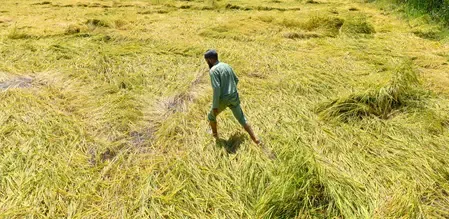
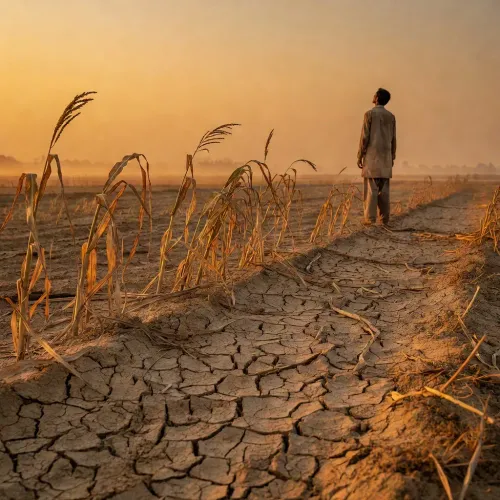
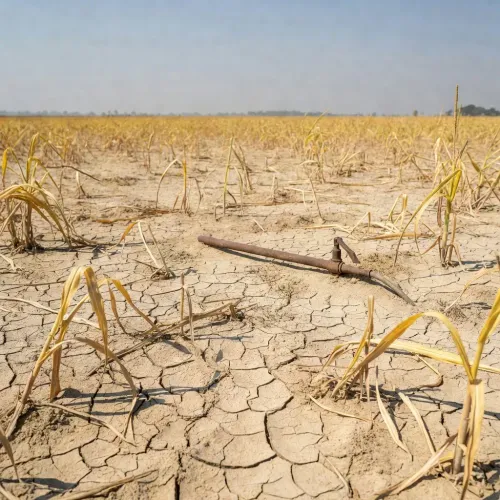
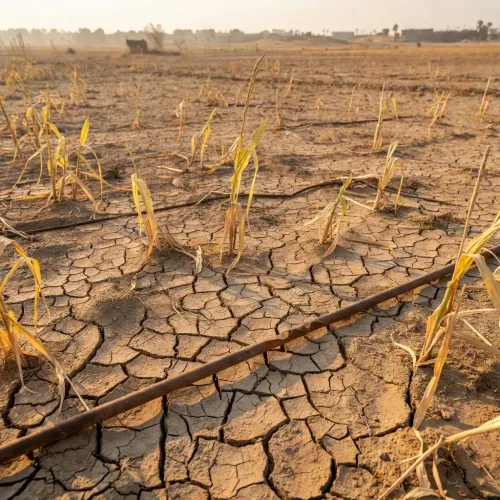
The 'Trigger-1' drought classification signals the first formal threshold of agrarian crisis under Maharashtra's established relief framework, triggering a mandatory package of welfare interventions. Farmers, agricultural labourers, and vulnerable rural populations across the 265 talukas face severe economic strain as dry spells have damaged standing crops and depleted water reserves. Notably, Maharashtra has historically been among the states most severely affected by recurring drought cycles, and the activation of relief protocols this early in the post-monsoon period signals the gravity of the current situation. This is the latest in a series of drought responses the state government has mounted in recent years, with the scale — spanning 265 talukas — among the more extensive on record.
What Happens Next
The state administration is expected to carry out rapid enumeration drives in the coming days to bring uncovered beneficiaries into the NFSA fold. Strict surveillance of the distribution pipeline, combined with DBT-linked accountability, will be closely monitored by senior district officials. The efficacy of the rollout — particularly for migrant workers and marginal farmers — will determine how effectively Maharashtra's rural safety net holds under the current drought stress.
Point of View
But the real test is execution speed — past Maharashtra drought cycles have seen relief reach beneficiaries weeks after formal classification, by which point distress migration has already begun. The push for One Nation One Ration Card portability is sensible, but Aadhaar seeding backlogs in rural Maharashtra have historically delayed this very mechanism. District collectors being placed on 'personal vigilance' is a political signal as much as an administrative one; without independent audit of fair-price shop distribution, the directive risks becoming a paper exercise. The question is not whether the relief framework exists — it does — but whether the last-mile delivery machinery is robust enough to reach the most vulnerable before the post-harvest distress deepens.
NationPress
10 Oct 2026
Frequently Asked Questions
What is the Trigger-1 drought condition in Maharashtra?
Trigger-1 is the first formal threshold of agrarian crisis under Maharashtra's drought relief framework, activated when rainfall deficits and related adversities cross a defined threshold. Its notification by the Relief and Rehabilitation Department mandates a mandatory package of welfare interventions, including free foodgrain distribution to affected talukas.
How many talukas are affected by the Maharashtra drought order?
A total of 265 talukas across Maharashtra have been designated as drought-affected under the Trigger-1 classification, following deficient rainfall during the June to September 2026 monsoon period.
Who is eligible for free foodgrains under the Maharashtra drought relief?
Eligible beneficiaries include all households already covered under the National Food Security Act in the 265 affected talukas, as well as individuals currently outside the NFSA net who will be rapidly identified and enrolled. Migrant workers from the affected areas can also access their entitlements through the One Nation One Ration Card portability scheme.
What steps are being taken to prevent misuse of drought relief supplies?
District collectors and food supply authorities have been directed to maintain strict surveillance over distribution networks, curb leakages, and ensure transparency at fair-price shops across all 265 talukas. Officials have been placed on personal vigilance to guarantee no eligible household is deprived of relief.
How will migrant workers access foodgrain relief during the Maharashtra drought?
Migrant beneficiaries from the drought-affected talukas can leverage portability facilities under the One Nation One Ration Card scheme, with expedited Aadhaar seeding being carried out to facilitate access regardless of their current location within India.