Could the US's Control Over Greenland Lead to Major Issues with NATO?
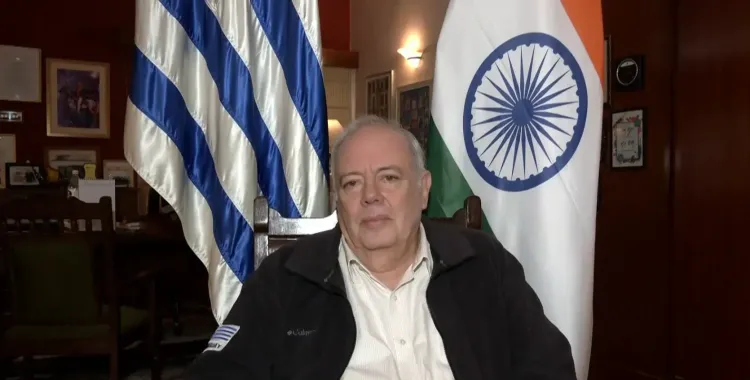
Synopsis
Could the US's desire to assert control over Greenland spark significant tensions with NATO and the EU? Uruguay's Ambassador to India voices concerns about the implications of such ambitions on global stability and international relations.
Key Takeaways
US ambitions for Greenland could lead to significant global issues.
Potential NATO tensions may arise from the US's actions.
Uruguay supports non-interference in foreign affairs.
The situation in Iran raises serious humanitarian concerns.
Uruguay advocates for free movement of people .
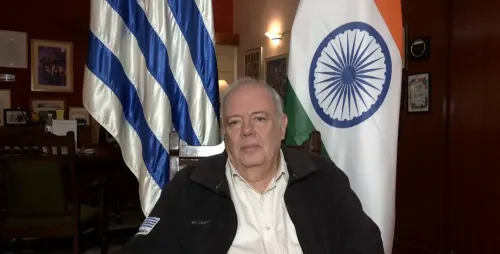
New Delhi, Jan 15 (NationPress) Uruguay's Ambassador to India, Alberto Antonio Guani Amarilla, expressed on Thursday that the US's ambition to claim control over Greenland could lead to significant complications with the North Atlantic Treaty Organisation (NATO), the European Union (EU), and the global community at large.
During an interview with IANS, Amarilla remarked that the US's desire for influence over various nations could potentially alter the existing world order.
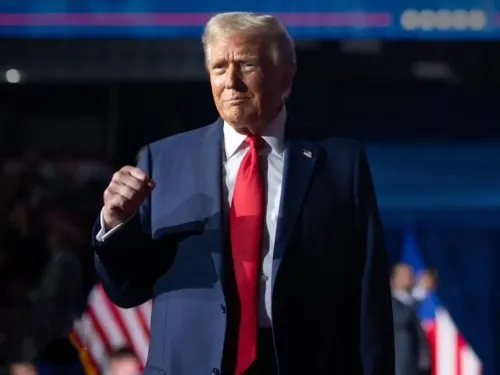
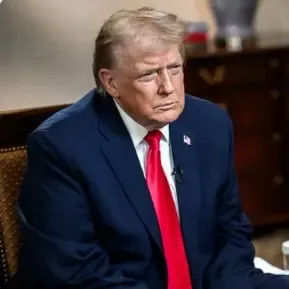
When questioned about former US President Donald Trump's assertion that Greenland is vital for national security, he replied, "States often justify their actions with security concerns, and in this instance, the US's expressed interest in Greenland as an area of influence will likely result in considerable tensions with both NATO and the EU. It remains to be seen how the US will navigate this situation."
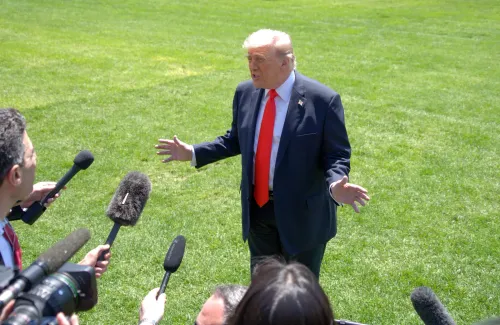
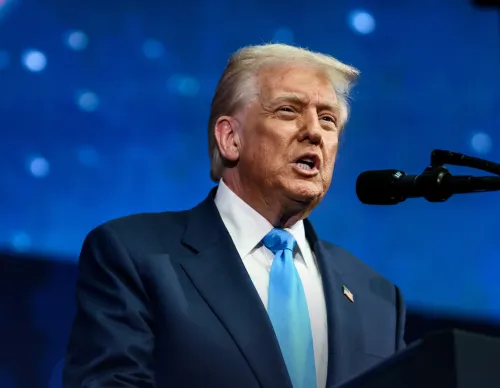
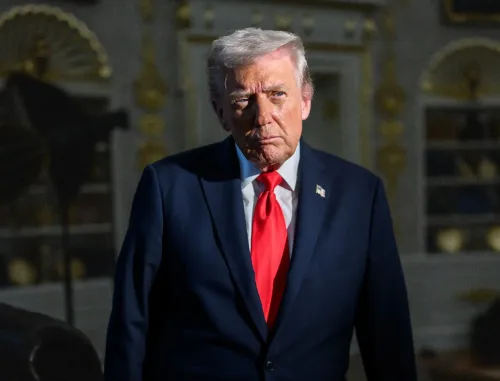
Recently, Trump reiterated that the US requires Greenland for security purposes, emphasizing its strategic significance during a high-level meeting with US and Danish officials. He noted that while the US has a robust relationship with Denmark, Greenland’s strategic position is crucial for the safety of the US and its allies.
When asked if he believes the US's stance on Greenland might escalate tensions within NATO, Amarilla replied, "Yes, it could likely cause friction since it involves another member of the alliance. It might create significant challenges among them."
Addressing the US's actions concerning Venezuela and its threats towards Colombia, he stated, "Given our foreign policy traditions, we do not support interference in other nations' issues. It is essential for the Venezuelans to determine their own future."
Earlier this month, reports indicated that Venezuelan President Nicolas Maduro and his spouse were "captured" and "flown out" of the country.
Amarilla further mentioned that the US's aspirations for global influence could reshape the international landscape.
Commenting on the US's suspension of new immigrant visas for 75 countries, he said, "This is a sovereign decision by the United States, but we disagree as we advocate for free movement of people."
He also described the situation in Iran as "worrying," advocating for a peaceful resolution without violence. He pointed out that nearly 3,000 individuals have lost their lives, which is unacceptable in political conflicts.
While expressing Uruguay's commitment to multilateralism, Amarilla emphasized the importance of collaboration, particularly highlighting India’s stance on avoiding problematic scenarios.
Point of View
It is imperative to recognize the complexities surrounding international relations, particularly regarding the US's aspirations for Greenland. The remarks from Uruguay's Ambassador highlight the potential for discord within NATO and underscore the importance of multilateralism in maintaining global stability.
NationPress
19 Sept 2026
Frequently Asked Questions
What did Uruguay's Ambassador say about US control over Greenland?
Uruguay's Ambassador to India, Alberto Antonio Guani Amarilla, stated that the US seeking control over Greenland could create significant problems with NATO and the EU.
How might US ambitions affect NATO relations?
Ambassador Amarilla suggested that the US's interest in Greenland could lead to tensions among NATO members.
What stance does Uruguay take on US interventions in other countries?
Uruguay maintains a foreign policy tradition of non-interference, advocating for nations to resolve their own issues.
What concerns were raised regarding the situation in Iran?
Ambassador Amarilla described the situation in Iran as worrying and called for a peaceful resolution without violence.
What is Uruguay's position on immigration policies?
Uruguay disagrees with the US's decision to freeze new immigrant visas, advocating for the free movement of people.