Will the US tariff reduction bring relief to the aquaculture sector?
Synopsis
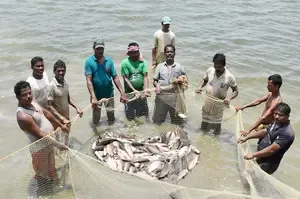
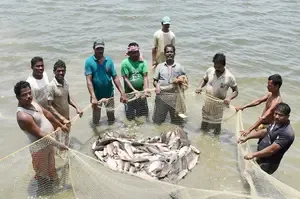
The US government's recent tariff reduction on Indian seafood products is a pivotal development for Andhra Pradesh's aquaculture sector. Minister Kinjarapu Atchannaidu believes this change will enhance competitiveness, boost exports, and create job opportunities for farmers and fishermen. The anticipated rise in seafood exports could restore stability in the local economy.
Key Takeaways
The US has reduced tariffs on Indian seafood from 25% to 18%.
This reduction is expected to increase seafood exports by 10-15%.
Profit margins in the seafood processing sector are likely to improve.
The tariff relief will create more job opportunities in aquaculture.
Exports to non-US markets are also expected to grow steadily.
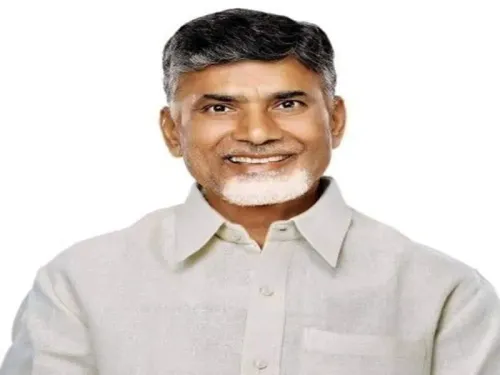
Amaravati, Feb 3 (NationPress) The Agriculture Minister of Andhra Pradesh, Kinjarapu Atchannaidu, expressed his enthusiasm over the recent decision by the US government to lower tariffs on Indian goods. He emphasized that this change will greatly benefit the state's seafood exporters, particularly in the aquaculture industry.
The reduction in tariffs from 25% to 18% as part of the India-US trade agreement is expected to be a significant advantage for Andhra Pradesh, recognized as a leader in aquaculture. This adjustment is anticipated to enhance income stability and create more job opportunities for both farmers and fishermen.
Atchannaidu is optimistic that the decline in exports, which had been observed in recent months due to elevated tariffs, will reverse, thus improving the competitiveness of Indian products in the American market.
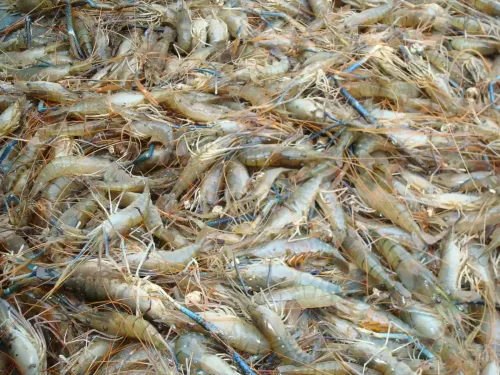
It is anticipated that seafood exports, particularly frozen shrimp, could rise between 10% and 15%, while profit margins within the processing sector are likely to see an improvement.
Previously, punitive tariffs, alongside the existing 25% tariff, imposed a hefty total tariff burden of 50-58%. Consequently, India's seafood exports to the US dropped approximately 15% in volume to 2.01 lakh tonnes and 6.3% in value to $1.72 billion during the April-November 2025 period.
The frozen shrimp, as a primary seafood export to the US, was notably impacted by these tariffs.
With the tariff now reduced to 18%, the competitiveness of Indian seafood products in the US market is set to rise significantly. This should facilitate the resumption of halted export orders and improve conditions for the release of goods currently held in warehouses.
Experts predict that seafood exports to the US may increase by 10% to 15% in the forthcoming months, potentially reaching pre-tariff levels by the second half of 2025-26.
This development is also poised to enhance profit margins in the seafood processing sector, bringing processor margins, which had fallen to 5-5.5%% during the high tariff phase, back to 7-8%%. Atchannaidu also highlighted that the duty concessions granted on inputs necessary for seafood processing in the Union Budget 2026 will further bolster this sector.
In addition to the anticipated recovery in the US market, Indian seafood exports to non-US markets such as the European Union, China, Vietnam, Russia, and the United Kingdom are continuing at a steady pace.
He pointed out that the share of non-US markets in shrimp exports is expected to reach about 57% by early 2025–26, indicating successful market diversification. He believes this tariff reduction will greatly benefit Andhra Pradesh, a frontrunner in seafood production within the country.
With the resurgence of exports, there will be an increase in income stability for farmers and fishermen in the state's fisheries and aquaculture sectors, along with better employment opportunities and Gross Value Added (GVA).
According to estimates from MPEDA, total seafood exports from India are projected to reach 14–15 lakh tonnes in 2025–26.
Point of View
The tariff reduction represents a significant opportunity for the Indian seafood sector to regain lost ground in international markets. The government's proactive approach in addressing trade barriers reflects a commitment to supporting local industries and enhancing economic growth.
NationPress
23 Oct 2026
Frequently Asked Questions
How will the tariff reduction impact seafood exports?
The reduction is expected to boost seafood exports by 10% to 15%, particularly benefiting frozen shrimp, and improving profit margins in the processing sector.
What are the expected changes in job opportunities?
The anticipated increase in exports and market competitiveness is likely to create more job opportunities for farmers and fishermen in the aquaculture sector.
Which markets will see an increase in Indian seafood exports?
In addition to the US, exports to non-US markets such as the EU, China, and the UK are also expected to grow steadily.
What is the projected seafood export volume for 2025-26?
Experts estimate that total seafood exports from India could reach 14-15 lakh tonnes in 2025-26.
How did previous tariffs affect seafood exports?
High tariffs led to a significant decline in seafood exports, with volumes decreasing by approximately 15% during the April-November 2025 period.