Is the American Shrimp Industry at Risk Due to the US-India Trade Deal?
Synopsis
Concerns are rising among U.S. shrimpers as a Republican Congressman alerts President Trump to the risks posed by the new US-India trade deal. With potential tariff reductions on Indian seafood, the future of domestic wild-caught shrimp hangs in the balance.
Key Takeaways
Concerns over US-India trade deal impacting shrimpers.
Lower tariffs could lead to increased competition from India.
Domestic shrimp production meets higher standards.
Call for enhanced inspections and enforcement mechanisms.
Importance of protecting American workers in trade agreements.
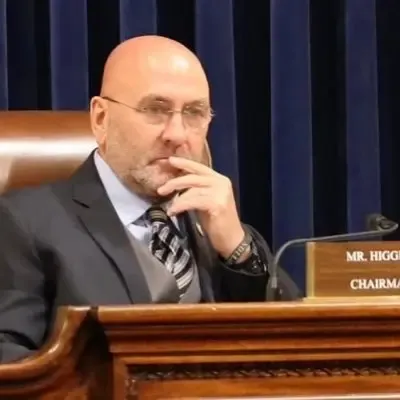
Washington, Feb 11 (NationPress) A Republican congressman representing Louisiana has raised significant concerns regarding the new US–India trade agreement and its potential repercussions for American shrimpers. He cautioned that reduced tariffs on Indian seafood might adversely affect the domestic wild-caught shrimp industry.
In a letter dated February 3 to President Donald Trump, Congressman Clay Higgins expressed his support for initiatives aimed at rebalancing trade. However, he highlighted the possible negative effects on Gulf Coast fishermen.
“While I appreciate your leadership in establishing the structure of the recent United States-India trade deal and the overarching objective of rebalancing trade in favor of America, I am worried about the consequences for our domestic shrimpers and fishermen,” Higgins mentioned in his letter to Trump, which was made public on Tuesday.
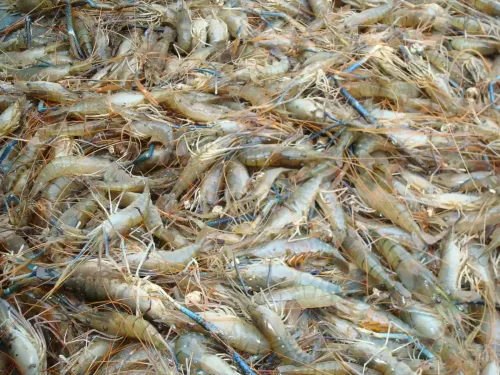
He warned that “The lowering of tariffs on goods from India will reopen the floodgates to low-quality, farm-raised Indian shrimp.”
Higgins pointed out that India “has consistently been one of the largest exporters of shrimp to the United States,” adding that “the temporary relief achieved through your earlier tariff measures allowed our shrimpers some breathing space.”
The Louisiana representative differentiated between the standards of domestic shrimp production and those of imports.
“Our wild-caught Gulf shrimp is among the finest globally and is harvested in adherence to strict environmental and labor regulations,” he stated. “Conversely, much of the shrimp imported into the United States comes from sources with lower environmental oversight and inadequate public health standards from foreign seafood industries.”
In light of the absence of increased tariffs on Indian seafood, Higgins called on the administration to explore alternative strategies within the new agreement.
“This could be accomplished through enhanced inspections under 21 US Code § 381(h), rigorous enforcement of existing antidumping and countervailing duties through 19 US Code § 1671, the establishment of shrimp-specific safeguards to prevent a new influx of underpriced imports, and supporting legislation like H.R. 2715, the Destruction of Hazardous Imports Act, which would permit the destruction of products failing to meet American health standards,” he wrote.
Appealing directly to the President, Higgins remarked: “Mr. President, you have consistently stood by American workers and producers against unfair trade practices.”
“The fishermen from Louisiana are proud Americans who only seek a fair opportunity to compete and a level playing field,” he added. “I respectfully urge your Administration to act swiftly to ensure that the advantages of fair trade policies benefit every American industry, including our essential domestic shrimpers.”
The letter was also shared with the Secretaries of Homeland Security, Commerce, and State, along with the Commissioner of U.S. Customs and Border Protection.
The shrimp issue has gained prominence as Washington and New Delhi strive to strengthen economic connections under a new trade framework aimed at reducing tariffs and broadening market access in various sectors. Seafood has long been a contentious topic in U.S. trade discussions, especially in coastal states with significant fishing populations.
India stands as one of the world's foremost exporters of shrimp to the United States.
Point of View
It is vital to recognize the challenges facing American shrimpers due to international trade agreements. While expanding trade is essential, it is equally crucial to protect domestic industries that adhere to high standards of quality and environmental responsibility. A balanced approach is necessary to ensure fair competition for all.
NationPress
24 Sept 2026
Frequently Asked Questions
What is the concern regarding the US-India trade deal?
The concern is that lower tariffs on Indian seafood could harm the domestic wild-caught shrimp industry in the United States.
Who raised the alarm about this issue?
Rep. Clay Higgins, a Republican congressman from Louisiana, raised the alarm in a letter to President Trump.
What has been the historical relationship between the US and Indian shrimp imports?
India has been one of the largest exporters of shrimp to the United States, raising concerns about competition for local shrimpers.
What measures are being suggested to protect domestic shrimpers?
Measures include enhanced inspections, enforcement of antidumping duties, and possible legislative actions to uphold health standards.
Why is this issue significant?
It highlights the balance between international trade agreements and the need to protect local industries, ensuring fair competition.