Uttarakhand Govt Acts on Smooth, Safe Traffic in Haridwar
Synopsis
The Uttarakhand Chief Minister's Office announced on 27 July 2026 that the state government is taking concrete steps for smooth and safe traffic in Haridwar. The move targets chronic congestion in one of India's busiest pilgrimage corridors, building on years of road and infrastructure upgrades across the state.
Key Takeaways
The Uttarakhand CMO officially announced on 27 July 2026 that the state government is undertaking concrete work for smooth and safe traffic management.
Haridwar is the specific focus city — a major pilgrimage hub on the Ganga that faces severe seasonal traffic surges.
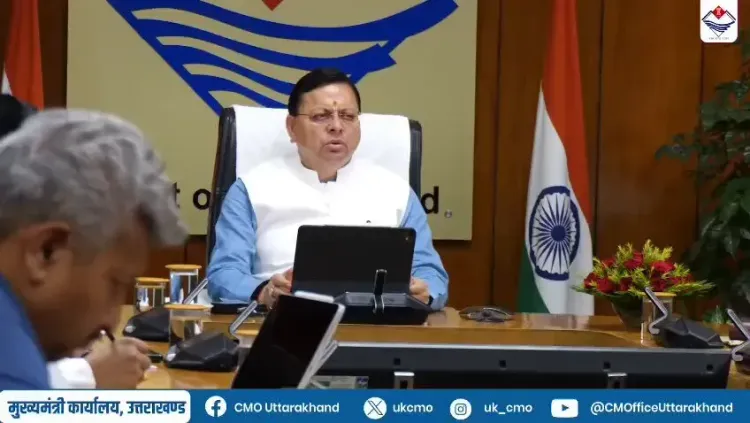
The announcement was accompanied by a video , indicating active on-ground implementation rather than a policy declaration alone.
The initiative builds on the Char Dham Pariyojana (2016) and a broader state push for road safety and urban mobility in religious towns.
Key beneficiaries include lakhs of pilgrims, tourists, and daily commuters who use Haridwar's congested road network.
Successful outcomes in Haridwar could set a template for traffic management in other Uttarakhand pilgrimage destinations.
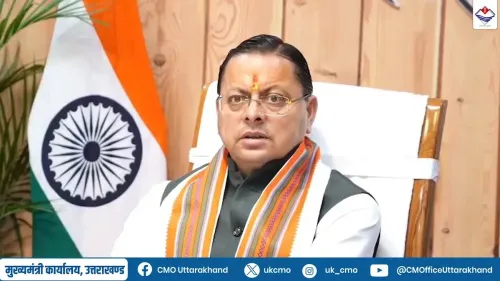
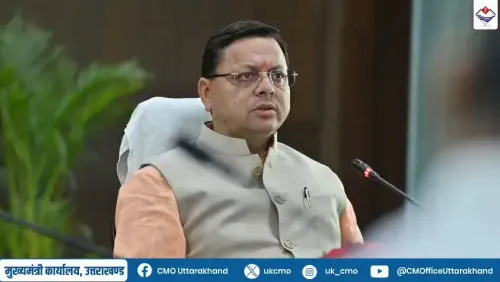
The Chief Minister's Office of Uttarakhand announced on Monday, 27 July 2026 that the state government is taking concrete steps to ensure smooth and safe traffic movement across the state, with a specific focus on Haridwar. The post, shared on the official CMO account, highlighted the administration's active drive on traffic management in one of India's busiest pilgrimage corridors.
The CMO stated in Hindi: 'उत्तराखण्ड में सुगम व सुरक्षित यातायात के लिए ठोस कार्य कर रही है राज्य सरकार' ('The state government is doing concrete work for smooth and safe traffic in Uttarakhand'). The announcement was accompanied by a video, indicating on-ground activity rather than a policy statement alone.
Context
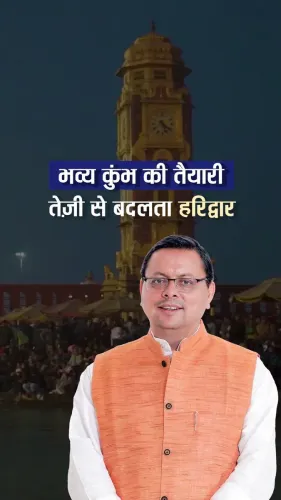
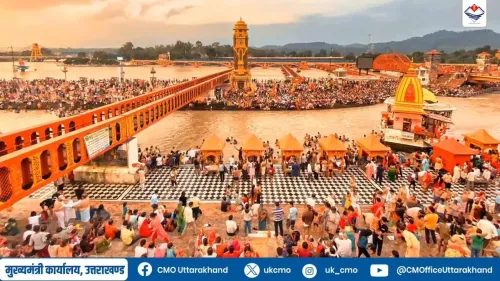
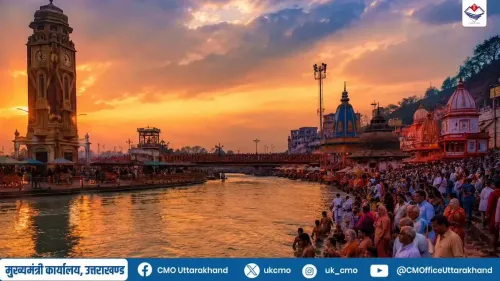
Haridwar is one of the most visited religious cities in India, situated on the banks of the Ganga in the foothills of the Himalayas. The city experiences enormous seasonal surges in footfall — particularly during festivals, Kumbh Mela cycles, and the Char Dham Yatra season — that routinely overwhelm its road network and parking infrastructure. Managing this traffic has long been a pressure point for the state administration.
Urban mobility in pilgrimage towns like Haridwar is complicated by narrow heritage roads, unregulated parking, and the convergence of inter-state buses, private vehicles, and pedestrian pilgrims at shared chokepoints. Seasonal spikes can multiply daily traffic volumes several times over within a matter of days.
Policy Backdrop
The Char Dham Pariyojana, announced in 2016, laid the foundation for road-widening and safety improvements across Uttarakhand's key pilgrimage routes. Since then, the state has progressively integrated traffic-management tools — including one-way corridor systems, CCTV-based enforcement, and designated parking zones — into its urban planning for religious and tourist hubs.
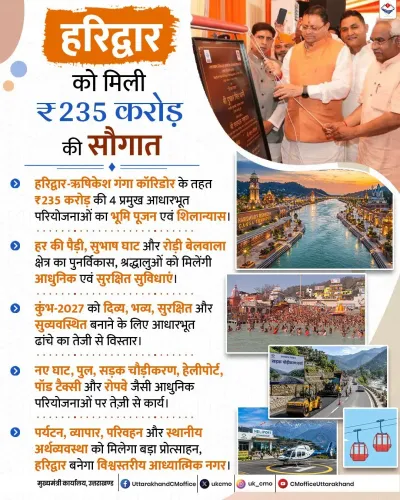
Across India, states with major religious centres have pursued similar upgrades to handle periodic mass gatherings. Uttarakhand has additionally paired such measures with broader Himalayan highway and ropeway projects aimed at reducing pressure on surface roads. The current initiative appears to sit within this longer policy arc of making pilgrimage infrastructure more resilient and visitor-friendly.
Stakeholders and Impact
The primary beneficiaries of improved traffic management in Haridwar are the lakhs of pilgrims and tourists who pass through the city every month, along with daily commuters and local residents who bear the brunt of congestion during peak seasons. Smoother traffic flow also has downstream effects on emergency response times and air quality in the city.
Transporters, hoteliers, and small traders along pilgrimage routes stand to gain from reduced gridlock, which directly affects footfall and business continuity. Local enforcement agencies — traffic police and municipal bodies — are the key implementing arms whose capacity and coordination determine the success of any such drive.
What's Next
The state government is expected to roll out or expand traffic-control infrastructure and enforcement drives in Haridwar ahead of upcoming festivals and the next peak pilgrimage season. The video accompanying the CMO's post suggests that ground-level implementation is already under way, though specific details of new installations or policy changes are yet to be formally announced.
If the current drive delivers measurable results in Haridwar, it could serve as a model for other congested pilgrimage towns in Uttarakhand, including Rishikesh, Badrinath, and Kedarnath approach roads, where traffic management remains an ongoing challenge for the administration.
Point of View
The administration is positioning itself as proactively responsive to a long-standing civic pain point. This fits a broader national pattern where state governments with major religious tourism economies are investing in mobility infrastructure to sustain visitor growth without alienating local populations. The Haridwar focus also carries political salience — the city is a high-visibility constituency where visible delivery on basic civic services tends to resonate strongly with voters.
NationPress
25 Oct 2026
Frequently Asked Questions
What is the Uttarakhand government doing for traffic management in Haridwar?
The Uttarakhand state government has announced concrete steps for smooth and safe traffic in Haridwar, as confirmed by the Chief Minister's Office on 27 July 2026. A video shared with the announcement indicates that ground-level implementation is already under way.
Why is traffic such a big problem in Haridwar?
Haridwar is one of India's most visited pilgrimage cities and sees massive seasonal surges during festivals and the Char Dham Yatra, which can multiply daily traffic volumes several times over. Narrow heritage roads, unregulated parking, and the mix of buses, private vehicles, and pedestrian pilgrims create chronic congestion.
What is the Char Dham Pariyojana and how does it relate to Haridwar traffic?
The Char Dham Pariyojana, announced in 2016, is a road-widening and safety improvement programme for Uttarakhand's key pilgrimage routes. It forms the policy backbone for ongoing traffic and infrastructure upgrades across the state, including in Haridwar.
Who benefits from better traffic management in Haridwar?
Pilgrims, tourists, and daily commuters are the primary beneficiaries. Improved traffic flow also helps local traders, hoteliers, and emergency services, while reducing air pollution caused by idling vehicles.
Will Uttarakhand's Haridwar traffic model be used in other cities?
If the current drive delivers results, it could serve as a template for other congested pilgrimage towns in Uttarakhand such as Rishikesh, Badrinath, and the Kedarnath approach roads, where traffic management remains an ongoing challenge.