Uttarakhand CMO Marks 12 Years of Naya Bharat Welfare Push
Synopsis
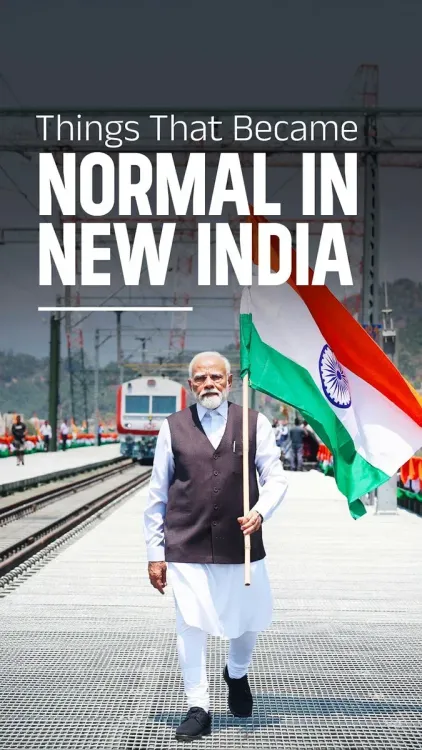
The Chief Minister's Office of Uttarakhand marked 12 years of the Modi government's 'Naya Bharat Nirman' welfare drive on 17 June 2026, sharing a video under #12YearsOfGaribKalyan that frames programmes like Jan Dhan, Ujjwala, and free foodgrain as normalised governance benchmarks.
Key Takeaways
The Uttarakhand CMO posted a video on 17 June 2026 marking 12 years of the Modi government's welfare push under the #12YearsOfGaribKalyan hashtag.
The post frames welfare deliveries — including LPG connections, direct benefit transfers, and free foodgrain — as having become routine expectations rather than exceptional interventions.
Key schemes referenced in the broader campaign include the PM Garib Kalyan Anna Yojana , Ujjwala Yojana , and the Jan Dhan-Aadhaar-Mobile (JAM) trinity .
The Uttarakhand state administration's amplification aligns with the BJP's national communication strategy of marking governance anniversaries with welfare-focused messaging.
Welfare economists and state governments will monitor upcoming Union Budget allocations for food security and direct benefit transfer programmes.
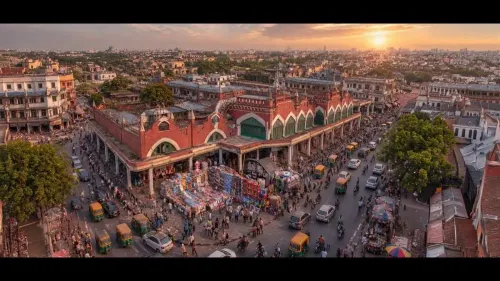
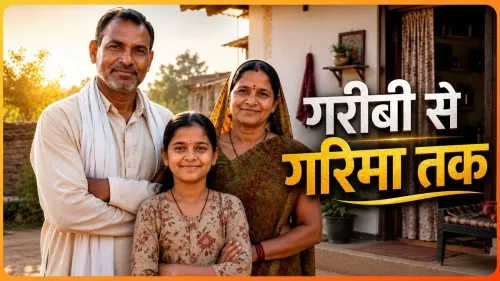
The Chief Minister's Office of Uttarakhand on Wednesday, 17 June 2026 shared a video post on X marking 12 years of what the ruling dispensation calls 'Naya Bharat Nirman', highlighting welfare deliveries it describes as having become routine under the current Union government.
Context
The post, carrying the hashtag #12YearsOfGaribKalyan, is timed to the 12th anniversary of Prime Minister Narendra Modi's government, which assumed office in May 2014. The phrase 'Garib Kalyan' (welfare of the poor) has been the central rhetorical frame used by the Bharatiya Janata Party-led administration to describe its social spending priorities. The Uttarakhand CMO's amplification of this national narrative is consistent with the state government's practice of aligning its official communications with central government messaging.
Policy Backdrop
The '12 years' milestone encompasses a cluster of flagship programmes that the Union government credits with normalising welfare access. The Swachh Bharat Mission, launched in 2014, mainstreamed household toilet construction and sanitation coverage as a routine governance benchmark. The Jan Dhan-Aadhaar-Mobile (JAM) trinity, rolled out from 2014-15 onward, institutionalised direct benefit transfers directly into beneficiary bank accounts, bypassing intermediaries.
The Pradhan Mantri Ujjwala Yojana, introduced in 2016, extended LPG cooking gas connections to rural households as a standard welfare metric. More recently, the PM Garib Kalyan Anna Yojana, which began during the COVID-19 pandemic in 2020 and was subsequently extended, made free foodgrain distribution a recurring feature of the government's welfare architecture. Collectively, these programmes underpin the government's claim that access to basic services has shifted from an aspiration to an expectation.
Stakeholders and Impact
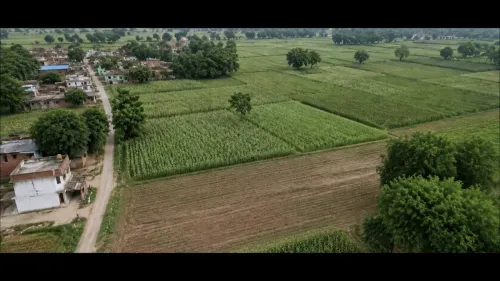
The primary beneficiaries of these programmes are rural households, women, and economically weaker sections across the country, including in Uttarakhand, a predominantly hilly state with significant rural and remote populations. For the state government, amplifying this messaging serves a dual purpose: reinforcing alignment with the BJP's national welfare narrative and keeping welfare delivery visible ahead of future electoral cycles.
Welfare beneficiaries in Uttarakhand have been recipients of multiple central schemes, from Ujjwala LPG connections to Jan Dhan accounts and subsidised foodgrain, making the state a relevant showcase for the national government's outreach. The video format of the post suggests an attempt to reach a broader audience beyond traditional media consumers.
What's Next
Observers will watch for state-level replication or expansion of central welfare delivery mechanisms, particularly in the context of upcoming budgetary allocations for food security and direct benefit transfers. Any revision to the PM Garib Kalyan Anna Yojana coverage or quantum in the next Union Budget will be closely tracked by welfare economists and state administrations alike. The Uttarakhand government's continued amplification of such milestones signals that welfare communication will remain a central pillar of its political messaging in the period ahead.
Point of View
Raising the baseline against which future governance will be judged. This is a double-edged posture — it consolidates the BJP's welfare identity but also locks the party into delivering on those normalised expectations. With Uttarakhand's assembly elections on the horizon, welfare communication of this kind is less ceremonial and more foundational to the ruling party's electoral pitch.
NationPress
22 Sept 2026
Frequently Asked Questions
What is the #12YearsOfGaribKalyan campaign about?
The #12YearsOfGaribKalyan campaign marks 12 years of the Modi government's welfare programmes since May 2014 , highlighting schemes like free foodgrain distribution, LPG connections, and direct benefit transfers that the government says have become routine for ordinary citizens.
What is PM Garib Kalyan Anna Yojana?
The PM Garib Kalyan Anna Yojana is a free foodgrain distribution scheme launched during the COVID-19 pandemic in 2020 and subsequently extended, providing subsidised or free grain to hundreds of millions of beneficiaries across India.
Why is the Uttarakhand CMO posting about national welfare schemes?
The Uttarakhand Chief Minister's Office routinely amplifies central government welfare messaging because the state is governed by the BJP , the same party that leads the Union government, making alignment on national campaigns a standard communication practice.
What is Naya Bharat Nirman?
Naya Bharat Nirman ('Building New India') is the overarching narrative used by the Modi government since 2014 to describe its governance agenda, encompassing infrastructure development, digital inclusion, and welfare delivery to underserved populations.
What welfare schemes are associated with 12 years of Modi government?
Key schemes include the Swachh Bharat Mission (2014), Jan Dhan-Aadhaar-Mobile trinity (2014-15), Pradhan Mantri Ujjwala Yojana (2016), and PM Garib Kalyan Anna Yojana (2020), all cited as examples of welfare access becoming a default governance outcome.