Uttarakhand CMO: 15 Depts Reach Chipalghat in Seva Sankalp Drive
Synopsis
The Uttarakhand CMO announced a multi-purpose Seva Sankalp Abhiyan camp at Chipalghat in Pauri Garhwal on 30 September 2026, where 15 government departments jointly delivered scheme awareness and services directly to rural villagers.
Key Takeaways
A Seva Sankalp Abhiyan multi-purpose camp was held at Chipalghat, Pauri Garhwal on 30 September 2026 .
15 government departments participated, offering information on welfare schemes and services in one location.
The initiative targets rural residents in hill districts who face physical barriers to accessing government offices.
Pauri Garhwal is one of Uttarakhand's 13 districts, marked by dispersed settlements and difficult terrain.
The Seva Sankalp Abhiyan is a state-level outreach model designed to close the information gap on government scheme eligibility and enrollment.
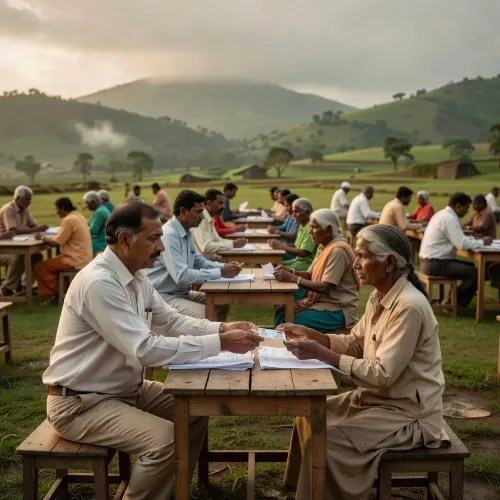
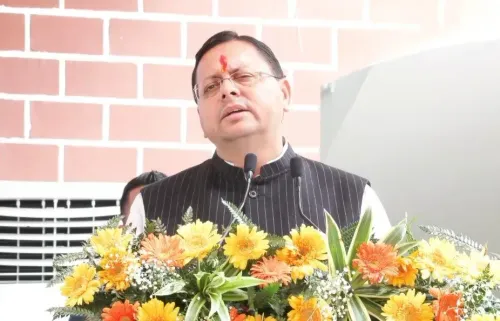
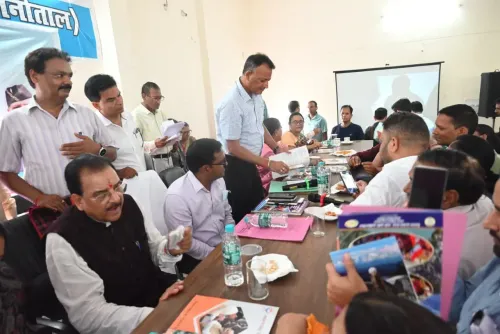
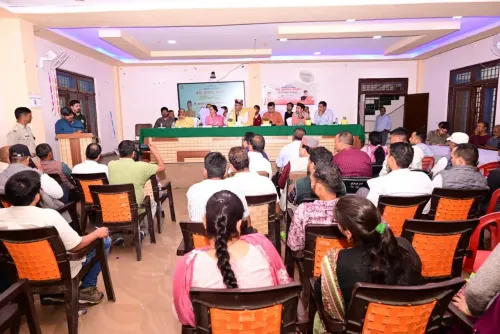
In the fold of Pauri Garhwal's hills, where a trip to a government office can mean hours on mountain roads, the state brought the office to the people. The Chief Minister's Office of Uttarakhand announced on Wednesday, 30 September 2026 that a multi-purpose camp was held at Chipalghat in Pauri Garhwal district under the Seva Sankalp Abhiyan, with 15 government departments jointly informing rural residents about welfare schemes and services.
Fifteen Departments, One Village Square
The camp at Chipalghat brought together departments spanning health, agriculture, revenue, social welfare, and more — a deliberate clustering designed to eliminate the need for villagers to make separate, often prohibitively difficult, journeys to district headquarters. The CMO's post described it as a 'bahuddesheey shivir' (multi-purpose camp), a format Uttarakhand has used periodically to bridge the information gap in its remote Himalayan settlements.
Pauri Garhwal — one of Uttarakhand's 13 districts — is characterised by dispersed hamlets and rugged terrain that makes last-mile delivery of government services a persistent administrative challenge. Residents in such areas frequently miss out on central and state scheme benefits simply because they are unaware of eligibility criteria or application processes.
Seva Sankalp Abhiyan and the Last-Mile Problem
The Seva Sankalp Abhiyan is Uttarakhand's structured outreach initiative aimed squarely at this information asymmetry. By rotating multi-departmental camps across rural pockets, the programme attempts to ensure that scheme awareness — and ideally, enrollment — reaches citizens who would otherwise fall through administrative cracks.
The model is not unique to Uttarakhand; several hill states have adopted similar convergence-camp formats to boost scheme uptake and provide on-the-spot grievance redressal. What distinguishes the Seva Sankalp format is the scale of departmental participation — a 15-department presence at a single rural venue signals a coordinated push rather than a token gesture.
Whether the Chipalghat camp translates into measurable beneficiary registrations will be the real test. The state government has not yet released enrollment or attendance figures from this event, and those numbers — when they arrive — will indicate whether the abhiyan is generating uptake or simply awareness.
A Template for Uttarakhand's Hill Districts
Pauri Garhwal's geography makes it a telling test case. If the camp model proves effective here — in terrain where connectivity is genuinely difficult — it carries a strong argument for replication across other hard-to-reach districts of the state. Announcements of similar events in neighbouring hill districts would signal that Chipalghat is a template, not a one-off.
For now, fifteen departments showed up where the people are. In Uttarakhand's hills, that alone is a significant logistical commitment — and the villagers of Chipalghat are the measure of whether it delivers.
Point of View
But its credibility will rest on post-camp enrollment data that the government has yet to publish. For the Uttarakhand administration, high-visibility outreach events also serve a political function — demonstrating governance reach in constituencies where state presence has historically been thin. The real policy question is whether these camps are building a durable enrollment pipeline or cycling through the same already-aware residents each time.
NationPress
30 Sept 2026
Frequently Asked Questions
What is the Seva Sankalp Abhiyan in Uttarakhand?
The Seva Sankalp Abhiyan is an Uttarakhand government outreach initiative that organises multi-departmental camps in rural areas to inform residents about welfare schemes and government services, particularly in hill districts where access to offices is difficult.
Where was the Seva Sankalp camp held on 30 September 2026?
The camp was held at Chipalghat in Pauri Garhwal district of Uttarakhand on 30 September 2026.
How many departments participated in the Chipalghat camp?
15 government departments participated in the multi-purpose camp at Chipalghat, providing information on various schemes and services to rural villagers.
Why are multi-department camps important in Pauri Garhwal?
Pauri Garhwal's hilly terrain and dispersed settlements make it difficult for residents to travel to district headquarters for government services, so bringing multiple departments to a single village location helps close the information and access gap.
Which other districts in Uttarakhand have similar outreach camps?
The Seva Sankalp Abhiyan is a state-wide initiative, and similar multi-department camps have been conducted across Uttarakhand's 13 districts, though specific upcoming locations have not been officially announced as of this report.