CM Office Uttarakhand Marks 12 Years of Garib Kalyan Health Outreach
Synopsis
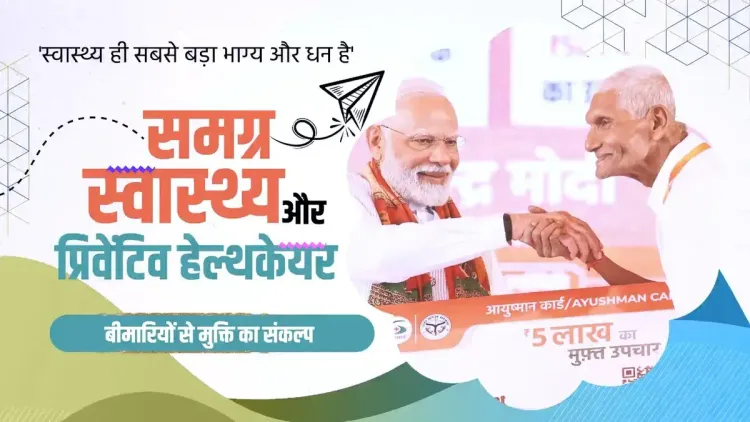
The Chief Minister's Office of Uttarakhand marked twelve years of the Garib Kalyan welfare agenda on 16 June 2026, highlighting how expanded health infrastructure and insurance schemes have brought medical services to remote Himalayan communities that were previously underserved.
Key Takeaways
The Chief Minister's Office of Uttarakhand posted on 16 June 2026 marking 12 years of the Garib Kalyan welfare agenda.
The post highlighted expansion of health services to remote and hilly regions as a key achievement.
Ayushman Bharat PMJAY , launched in 2018 , provides up to Rs 5 lakh per family in health insurance coverage annually.
The National Health Mission has funded primary health centres and mobile medical units in underserved areas since 2014.
Uttarakhand's difficult terrain makes healthcare access a particular challenge, with districts like Pithoragarh and Chamoli historically underserved.
State-level hospital empanelment under Ayushman Bharat and future Union Health Budget allocations remain key metrics to watch.
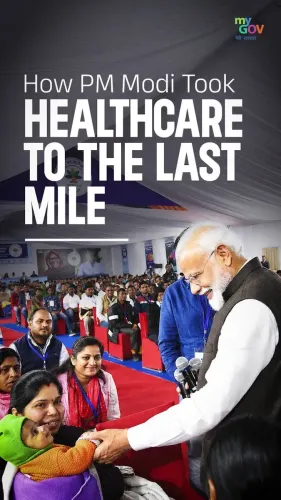
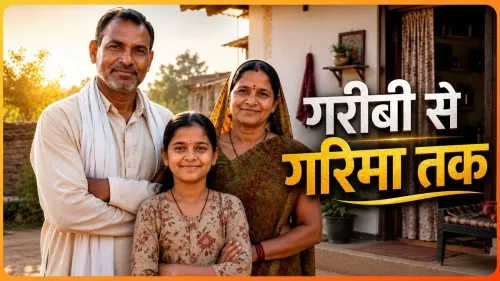
The Chief Minister's Office of Uttarakhand on Tuesday, 16 June 2026 marked twelve years of the central government's Garib Kalyan welfare agenda, highlighting the expansion of health services to remote and hilly regions of the country as a defining achievement of the period.
The post, shared under the hashtag #12YearsofGaribKalyan, stated: '12 saal vishwas aur jankalyan ke' — 'Twelve years of trust and public welfare' — underscoring how the extension of healthcare infrastructure has made medical services accessible in distant areas that were historically underserved.
Context
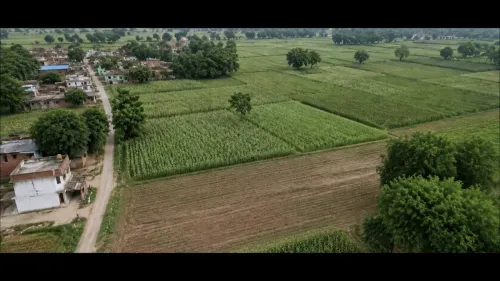
Uttarakhand is a Himalayan state characterised by difficult terrain, where dozens of villages in districts such as Pithoragarh, Chamoli, and Uttarkashi have long faced acute shortages of medical facilities. Reaching these communities has been a persistent challenge for state and central health planners alike. The CMO's post frames the past twelve years as a period in which this gap has been meaningfully narrowed.
Policy Backdrop
The Garib Kalyan brand encompasses a broad architecture of welfare programmes initiated after 2014 under Prime Minister Narendra Modi. In the health domain, the flagship initiative has been Ayushman Bharat Pradhan Mantri Jan Arogya Yojana, launched in 2018, which provides health insurance coverage of up to Rs 5 lakh per family per year for secondary and tertiary hospitalisation, targeting low-income households.
Alongside insurance coverage, the National Health Mission continued to fund the strengthening of primary health centres and the deployment of mobile medical units in underserved regions. The central government also expanded the network of AIIMS institutions and new medical colleges as part of a supply-side push to reduce geographic inequity in healthcare access.
Stakeholders and Impact
The primary beneficiaries identified in official communications are residents of remote and rural areas — particularly the rural poor in hilly and tribal districts — who previously had to travel long distances or bear heavy out-of-pocket costs for even basic medical care. Ayushman Bharat's empanelment of hospitals has been a key mechanism for extending cashless treatment options to these populations.
For Uttarakhand specifically, the combination of insurance coverage and upgraded primary health infrastructure has been positioned by the state government as a model of how central welfare schemes can be adapted to geographically challenging terrain. The CMO's communication reinforces this narrative at a moment when the twelve-year milestone is being observed nationally.
What's Next
Observers will watch state-level data on Ayushman Bharat hospital empanelment in Uttarakhand and forthcoming Union Health Budget allocations for remote-area infrastructure to assess whether the gains highlighted in official communications are reflected in measurable outcomes. As the Garib Kalyan anniversary communications continue, the focus on healthcare access in hilly states is likely to remain central to the political messaging of both the state and central governments.
Point of View
With health access in remote areas serving as one of the most politically resonant proof points. Highlighting geographic equity in healthcare is a strategic choice: it speaks directly to voters in hilly and tribal constituencies where physical access to hospitals remains a lived concern. The Garib Kalyan framing bundles disparate welfare schemes under a single emotive umbrella, reinforcing the narrative of a welfare-oriented state. Whether the messaging translates into electoral dividends will depend on how concretely residents of districts like Pithoragarh and Chamoli feel the difference on the ground.
NationPress
26 Sept 2026
Frequently Asked Questions
What is Garib Kalyan and why is it being celebrated for 12 years?
Garib Kalyan refers to the welfare architecture of programmes launched by the central government from 2014 onwards, covering health insurance, direct benefit transfers, and infrastructure. The 12-year mark in 2026 is being observed as a milestone of this governance period, with state governments including Uttarakhand sharing communications highlighting achievements.
What health schemes has the central government expanded in Uttarakhand?
Key schemes include Ayushman Bharat Pradhan Mantri Jan Arogya Yojana, which provides up to Rs 5 lakh per family in health insurance, and the National Health Mission, which funds primary health centres and mobile medical units in remote and hilly areas of Uttarakhand.
How does Ayushman Bharat work in remote areas of Uttarakhand?
Ayushman Bharat empanels hospitals to provide cashless treatment to eligible beneficiaries. In remote Uttarakhand districts, this means low-income families can access secondary and tertiary care without large out-of-pocket payments, provided empanelled hospitals are within reachable distance.
Which districts in Uttarakhand have the most difficulty accessing healthcare?
Districts such as Pithoragarh, Chamoli, and Uttarkashi, located in the higher Himalayan ranges, have historically faced the greatest challenges in healthcare access due to difficult terrain, sparse population, and limited road connectivity.
What is the National Health Mission's role in Uttarakhand?
The National Health Mission funds the strengthening of primary health centres and the deployment of mobile medical units in underserved regions, including hilly and tribal districts of Uttarakhand, to extend basic healthcare to populations far from urban hospitals.