Uttarakhand Govt Brings Farm Services Closer to Villages in Tehri Garhwal
Synopsis
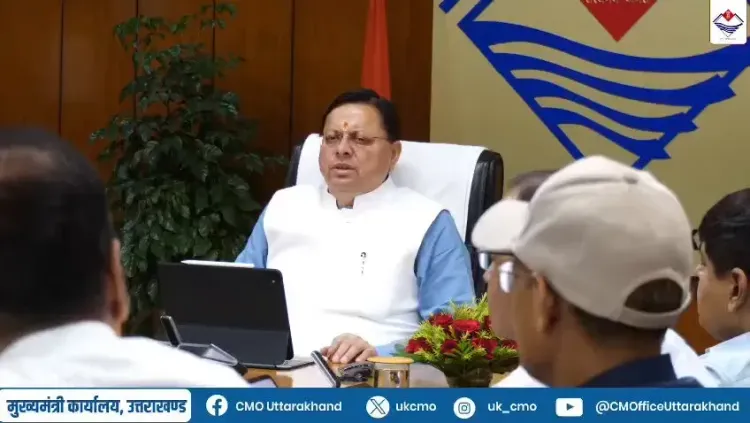
The Chief Minister's Office of Uttarakhand announced on 7 August 2026 that the state government is bringing better agricultural facilities closer to farmers' villages in Tehri Garhwal, reinforcing the state's long-standing push for decentralised rural service delivery in its challenging hill terrain.
Key Takeaways
The Chief Minister's Office of Uttarakhand announced on 7 August 2026 that better facilities are being provided to farmers near their villages.
The announcement specifically highlights Tehri Garhwal , a hilly district where distance to services is a persistent barrier for smallholder farmers.
Uttarakhand has a documented policy history of pushing decentralised, village-level agricultural support to counter out-migration from hill districts.
The exact nature of the facilities referenced has not been specified in the post or verified from public record.
District-level rollout reports and state budget allocations for agricultural infrastructure in Tehri Garhwal will be key indicators of on-ground impact.
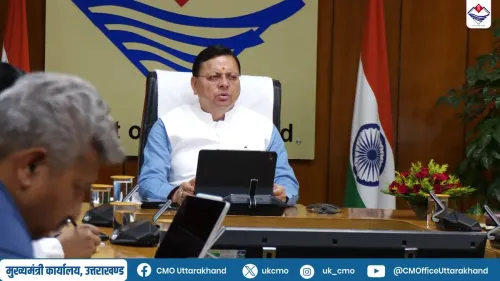
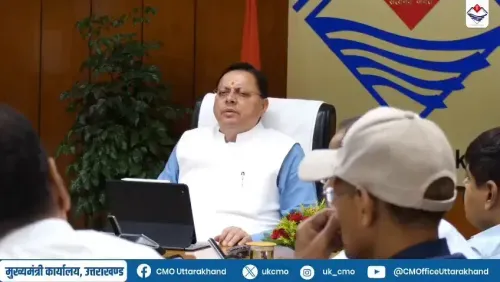
In the steep, terraced farmlands of Tehri Garhwal, the distance between a farmer and the nearest agricultural support centre has long been a quiet but crushing burden. The Chief Minister's Office of Uttarakhand signalled on Friday, 7 August 2026 that the state government is actively working to close that gap — bringing better facilities directly to farmers near their own villages.
The state government's post, shared in Hindi, stated: 'उत्तराखण्ड में किसानों को उनके गांव के निकट ही बेहतर सुविधा दे रही राज्य सरकार' — 'The state government is providing better facilities to farmers close to their villages in Uttarakhand.' The message was tagged specifically to Tehri Garhwal, a hilly district where agriculture is a primary livelihood but geography makes every trip to a distant service centre a half-day affair.
Why Proximity Matters in Tehri Garhwal's Hills
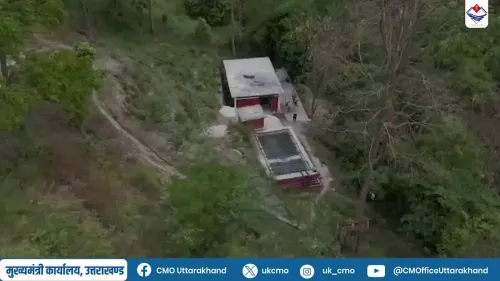
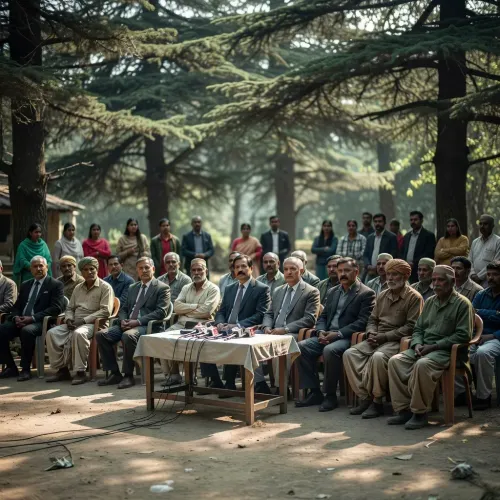
Tehri Garhwal sits deep in the Garhwal Himalayas — a district of narrow roads, seasonal landslides, and scattered hamlets where smallholder farmers grow wheat, pulses, and vegetables on terraced slopes. Centralised facilities in a town headquarters are often hours away by foot and bus. The practical result: farmers frequently forgo services entirely rather than lose a working day to travel.
Uttarakhand governments across successive administrations have recognised this structural problem. The state has consistently pushed for decentralised rural service delivery — local input centres, agricultural extension workers posted at the block level, and village-level outreach — as a counter to the district's long-running out-migration crisis. When young people leave for the plains, it is often because farming in the hills feels unviable. Accessible, village-proximate support is one lever the state has tried to pull.
Village-Level Delivery as a Policy Anchor
The broader pattern is clear: Uttarakhand has repeatedly framed decentralised agricultural infrastructure as essential to keeping hill communities economically rooted. Extension services, soil-testing facilities, seed and fertiliser access points, and crop advisory programmes — when placed closer to the farmer rather than in a district headquarters — reduce the friction that pushes smallholders toward abandonment of cultivation.
The government's emphasis on 'near their village' is not incidental phrasing. It is a direct acknowledgement that for hill farmers, geography is policy. Whether this round of facilities translates into measurable uptake will depend on district-level rollout and budget follow-through — both worth watching in upcoming state budget disclosures.
For the farmers of Tehri Garhwal, the promise is simple and the stakes are real: support that arrives at your doorstep is support you will actually use.
Point of View
Aimed at making hill farming viable enough to slow out-migration. By anchoring the message in Tehri Garhwal specifically, the state signals targeted intent rather than a blanket claim. The real test, however, lies downstream — whether facility proximity translates into measurable farmer uptake or remains a communications milestone. Watching the budget line items and block-level implementation reports will reveal whether this is policy with teeth or policy with a hashtag.
NationPress
7 Aug 2026
Frequently Asked Questions
What facilities is the Uttarakhand government providing to farmers in Tehri Garhwal?
The Chief Minister's Office of Uttarakhand announced that better facilities are being made available to farmers close to their villages in Tehri Garhwal, though the specific nature of those facilities has not been detailed in the official communication.
Why is Tehri Garhwal highlighted for farmer welfare in Uttarakhand?
Tehri Garhwal is a hilly, remote district where difficult terrain and limited connectivity make it hard for farmers to access centralised services. Village-proximity delivery is especially critical here to make agricultural support practically usable.
What is Uttarakhand's approach to rural agricultural services?
Uttarakhand has consistently pursued decentralised rural service delivery — placing extension services, input centres, and advisory programmes at the block and village level — to address the challenges of its mountainous geography and to counter out-migration.
How does village-level agricultural support help hill farmers in Uttarakhand?
When services are located near villages, farmers avoid losing a full working day to travel, making it far more likely they will actually use soil testing, crop advisory, seed access, and other support — directly improving farm viability.
What should one watch for after this Uttarakhand farmer welfare announcement?
Key indicators include state budget allocations specifically for agricultural infrastructure in Tehri Garhwal and similar hill districts, as well as district-level rollout reports confirming on-ground implementation.