CM Uttarakhand: Health Infrastructure Grows in Pauri Garhwal
Synopsis
The Chief Minister's Office of Uttarakhand announced on 10 July 2026 that health infrastructure in Pauri Garhwal district is continuously strengthening, with modern facilities now delivering better services to residents of the hilly terrain district under national health mission frameworks.
Key Takeaways
The Chief Minister's Office of Uttarakhand posted on 10 July 2026 highlighting health infrastructure growth in Pauri Garhwal district.
The post states that modern facilities are providing improved health services to common residents of the hill district.
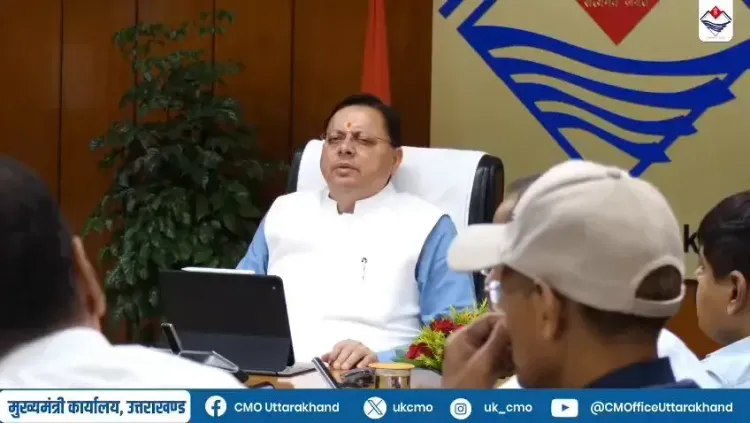
A video was attached to the post, indicating on-ground documentation of the reported progress.
Pauri Garhwal's mountainous terrain has historically limited access to primary and secondary healthcare for local communities.
Upgrades build on national frameworks including the National Rural Health Mission (2005) and Ayushman Bharat (2018) .
Future state health budget cycles and NHM review meetings are expected to detail further planned upgrades for the district.
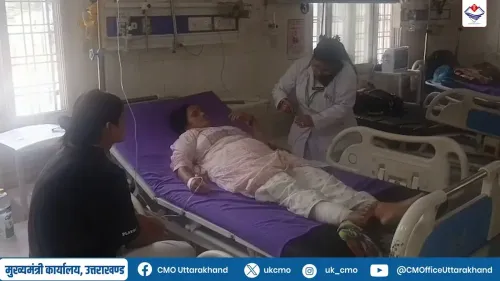
The Chief Minister's Office of Uttarakhand on Friday, 10 July 2026, highlighted the strengthening of healthcare infrastructure in Pauri Garhwal district, stating that modern facilities are now delivering improved health services to ordinary residents of the hill district.
Context
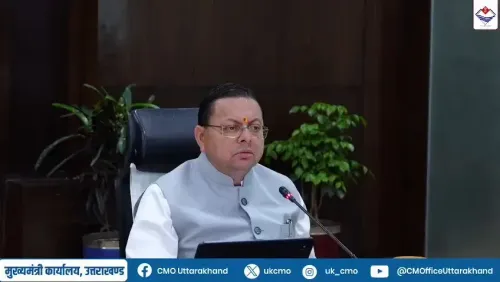
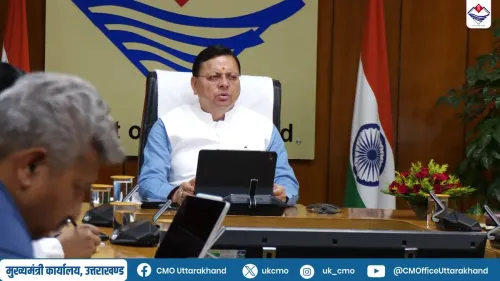
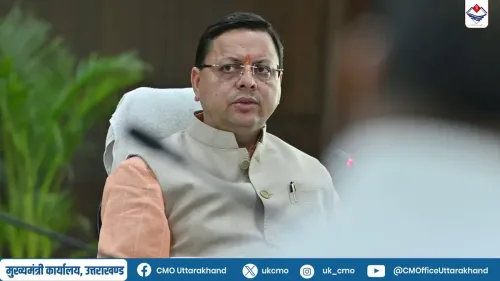
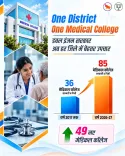
The post, shared by the official Chief Minister's Office of Uttarakhand account, states in Hindi: 'जनपद पौड़ी गढ़वाल में लगातार मजबूत हो रहा स्वास्थ्य ढांचा, आधुनिक सुविधाओं से आमजन को मिल रही बेहतर स्वास्थ्य सेवाएं' — meaning, 'The health infrastructure in Pauri Garhwal district is continuously strengthening, and modern facilities are providing better health services to the common people.' The update was accompanied by a video, indicating on-ground documentation of the progress being reported.
Pauri Garhwal is a mountainous district in the Garhwal region of Uttarakhand, where rugged terrain has historically posed significant challenges to the delivery of primary and secondary healthcare. Residents in remote pockets of the district have long depended on limited sub-centres and primary health centres that were under-resourced relative to urban facilities.
Policy Backdrop
The push to upgrade health infrastructure in districts such as Pauri Garhwal draws on two major national frameworks. The National Rural Health Mission (NRHM), launched in 2005, set the foundation for strengthening primary health centres and sub-centres across rural and hilly states including Uttarakhand. Building on that, the Ayushman Bharat Pradhan Mantri Jan Arogya Yojana, rolled out in 2018, extended health insurance coverage and channelled support for district-level infrastructure upgrades in terrain-challenged states.
The Government of Uttarakhand has pursued incremental upgrades to district hospitals and primary centres across the Garhwal region as part of its state-level implementation of these national health missions. The emphasis has been on both physical infrastructure — buildings, equipment, and connectivity — and service delivery quality, particularly for communities in remote Himalayan areas where access to specialists and emergency care remains limited.
Stakeholders and Impact
The primary beneficiaries of these upgrades are the rural residents of Pauri Garhwal, many of whom previously had to travel long distances to district headquarters or even to Dehradun for secondary and tertiary care. Improved local infrastructure reduces both the financial and physical burden on patients, particularly the elderly, women, and children who are most vulnerable to healthcare access gaps.
District health workers — including doctors, nurses, and Accredited Social Health Activists (ASHAs) — also stand to benefit from better-equipped facilities, which can improve working conditions and enable more effective delivery of preventive and curative services. The state government's public communication around these upgrades signals accountability to constituents and reinforces the political priority placed on health outcomes in hill districts.
What's Next
Analysts tracking Uttarakhand's health sector will watch upcoming state health budget allocations and National Health Mission (NHM) review meetings, expected in the next fiscal cycle, for specifics on further facility upgrades or equipment procurement planned for Pauri Garhwal and neighbouring districts. Similar progress updates have been issued for other districts across the state, suggesting a broader, systematic effort to document and communicate health-system strengthening ahead of future policy reviews. Sustained momentum will depend on adequate fund flows from both central and state budgets and on addressing the perennial challenge of retaining trained medical staff in remote hill postings.
Point of View
' the Chief Minister's Office is signalling delivery on welfare commitments ahead of future electoral cycles. The update also reflects the broader national push — through Ayushman Bharat and NHM — to make hill-state health outcomes a visible governance metric. The real test, however, lies in verified utilisation data and staff retention figures that go beyond the communication exercise.
NationPress
9 Oct 2026
Frequently Asked Questions
What is the health infrastructure update for Pauri Garhwal in 2026?
The Chief Minister's Office of Uttarakhand announced on 10 July 2026 that health infrastructure in Pauri Garhwal district is continuously strengthening, with modern facilities delivering better services to residents.
Which government schemes are improving healthcare in Pauri Garhwal?
Health upgrades in Pauri Garhwal are supported by the National Rural Health Mission, launched in 2005, and the Ayushman Bharat Pradhan Mantri Jan Arogya Yojana, rolled out in 2018, both of which fund infrastructure and service delivery improvements in hilly districts.
Why is healthcare access difficult in Pauri Garhwal?
Pauri Garhwal's rugged, mountainous terrain in the Garhwal region of Uttarakhand has historically limited access to primary and secondary healthcare, forcing many residents to travel long distances for medical services.
Who benefits from the health infrastructure upgrades in Pauri Garhwal?
Rural residents — particularly the elderly, women, and children — benefit most from improved local facilities, alongside district health workers who gain better-equipped workplaces for delivering preventive and curative care.
What should we watch for next on Uttarakhand's health sector?
Upcoming state health budget allocations and National Health Mission review meetings in the next fiscal cycle are expected to outline further facility upgrades and equipment procurement planned for Pauri Garhwal and neighbouring districts.