Uttarakhand Govt Flags Off Somnath Swabhiman Parv Train from Uttarkashi

Synopsis
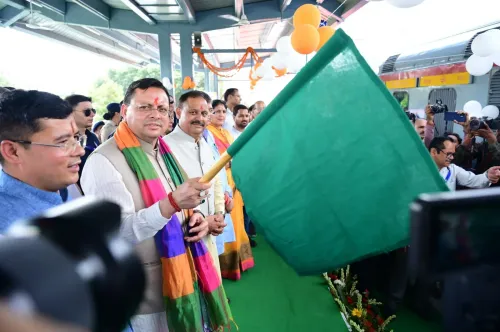
The Uttarakhand government flagged off a batch of pilgrims from Uttarkashi to the Somnath Jyotirlinga shrine in Gujarat on 13 July 2026 under its Somnath Swabhiman Parv special train initiative, framing the yatra as an effort to strengthen the state's cultural and spiritual heritage.
Key Takeaways
The Chief Minister's Office of Uttarakhand announced the departure of a pilgrim batch from Uttarkashi on Monday, 13 July 2026 .
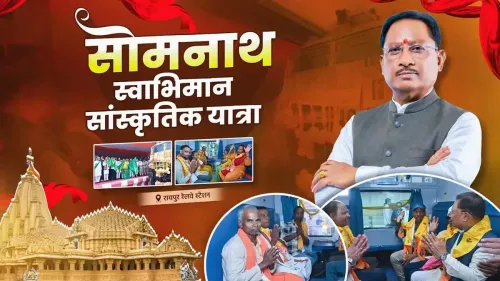
The journey is part of the state government's Somnath Swabhiman Parv special train yatra programme.
The initiative is framed as an effort to empower Uttarakhand's culture, faith, and heritage .
The destination is the Somnath Temple in Prabhas Patan, Gujarat , one of the twelve Jyotirlinga shrines of Lord Shiva.
The scheme extends Uttarakhand's established tradition of state-facilitated religious travel, most notably the Char Dham Yatra infrastructure.
Further special trains or yatra packages under the programme may be announced ahead of upcoming festivals.
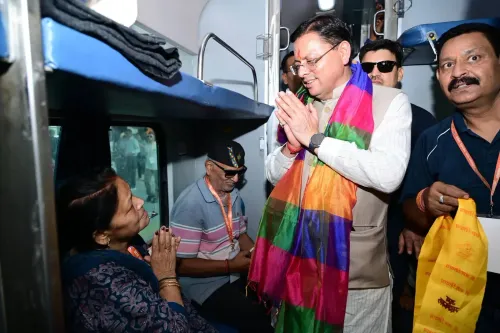
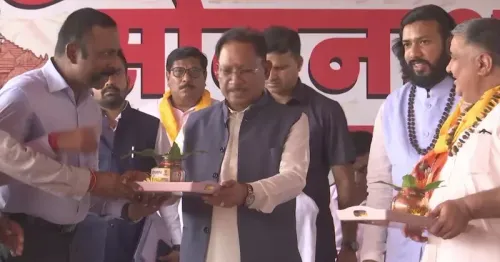
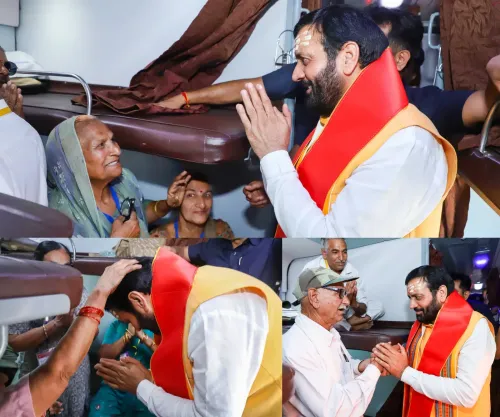
The Chief Minister's Office of Uttarakhand announced on Monday, 13 July 2026 that a batch of pilgrims from Uttarkashi has been flagged off under the state government's Somnath Swabhiman Parv special train yatra — an initiative aimed at strengthening the cultural, spiritual, and heritage identity of Uttarakhand.
The official post stated: 'Uttarakhand ki sanskriti, aastha aur virasat ko sashakt karne ki disha mein' ('In the direction of empowering Uttarakhand's culture, faith, and heritage'), the state government's Somnath Swabhiman Parv special train yatra has dispatched a group of devotees from Uttarkashi on Monday.
Context
The Somnath Swabhiman Parv is a state-backed pilgrimage initiative that connects devotees from Uttarakhand with the Somnath Temple in Prabhas Patan, Gujarat — one of the twelve sacred Jyotirlinga shrines of Lord Shiva. The programme frames the journey not merely as religious tourism but as an assertion of the state's cultural identity and devotion to shared Hindu heritage. Uttarkashi, a district in the upper reaches of Uttarakhand, is home to major pilgrimage corridors including Gangotri, making its residents among the most devout pilgrimage communities in the country.
Policy Backdrop
The Uttarakhand government has a well-established history of facilitating organised religious travel, most notably through dedicated transport, registration systems, and infrastructure for the annual Char Dham Yatra — a framework built up over more than two decades. The Somnath Swabhiman Parv extends this tradition beyond state borders, reflecting a broader pattern seen across Indian states of organising special trains and yatra packages to connect devotees with major shrines outside their home regions. Such programmes typically combine cultural outreach with efforts to increase footfall at established pilgrimage centres.
Inter-state religious tourism initiatives of this kind often involve coordination between state governments and railway authorities, and in some cases with destination-state tourism bodies. The choice of Somnath — a shrine with deep historical resonance and a symbol of civilisational continuity — carries particular cultural and political weight in the current national climate.
Stakeholders and Impact
The primary beneficiaries are Uttarakhand pilgrims, particularly those from Uttarkashi district, who gain state-facilitated, organised access to a major shrine that would otherwise require independent travel to Gujarat. The religious tourism sector in both states stands to benefit, as organised yatra groups generate demand for hospitality, transport, and local services at the destination. For the Uttarakhand government, the scheme reinforces its positioning as an administration actively invested in the spiritual and cultural welfare of its citizens.
What's Next
Observers will watch for the rollout of additional special trains or state-supported yatra packages under the Somnath Swabhiman Parv banner, particularly ahead of major festivals in the Hindu calendar. Possible coordination with Gujarat tourism authorities for return journeys or extended pilgrimage circuits could further expand the programme's reach. The initiative may also serve as a template for similar inter-state yatra schemes connecting Uttarakhand devotees with other Jyotirlinga or significant pilgrimage sites across India.
Point of View
The state government signals that the yatra carries cultural-nationalist weight beyond mere religious tourism. This fits a broader pattern of BJP-governed states using state machinery to facilitate pilgrimages to symbolically significant Hindu shrines, reinforcing both electoral and cultural messaging. The choice of Uttarkashi — a district synonymous with Himalayan devotion — as the departure point adds geographic and symbolic coherence to the initiative.
NationPress
14 Jul 2026
Frequently Asked Questions
What is the Somnath Swabhiman Parv special train yatra?
The Somnath Swabhiman Parv is a state government-backed special train pilgrimage initiative that transports devotees from Uttarakhand to the Somnath Jyotirlinga temple in Gujarat, framed as an effort to celebrate and strengthen the state's cultural and spiritual heritage.
Where did the Somnath Swabhiman Parv train depart from on 13 July 2026?
The pilgrim batch that departed on 13 July 2026 originated from Uttarkashi, a district in Uttarakhand known for its major Himalayan pilgrimage sites including Gangotri.
What is the Somnath Temple and why is it significant?
The Somnath Temple, located in Prabhas Patan in Gujarat, is one of the twelve Jyotirlinga shrines of Lord Shiva and holds deep historical and religious significance in Hindu tradition, having been rebuilt multiple times over centuries.
Has Uttarakhand organised similar pilgrimage schemes before?
Yes. Uttarakhand has a well-established track record of facilitating organised religious travel, most notably through dedicated transport, registration, and infrastructure for the annual Char Dham Yatra, a framework developed over more than two decades.
Will more Somnath Swabhiman Parv trains be flagged off?
The current announcement covers the Uttarkashi batch; observers expect additional special trains or yatra packages under the programme to be announced, potentially ahead of major Hindu festivals, and possibly in coordination with Gujarat tourism authorities.