CM Dhami Makes Canal Irrigation Free, Allocates Rs 200 Cr for Farmers
Synopsis
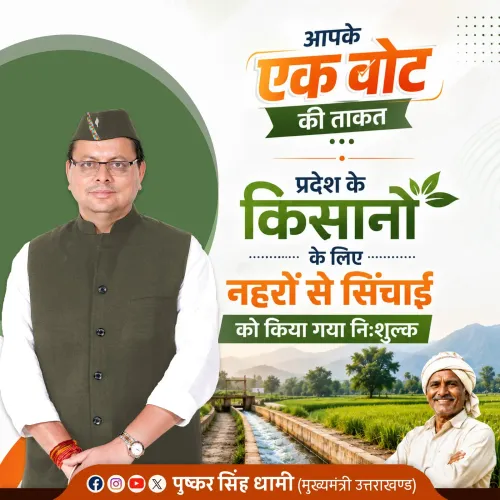
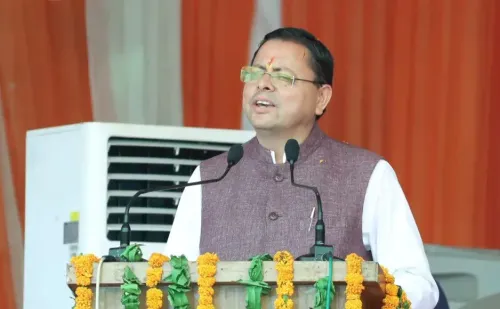
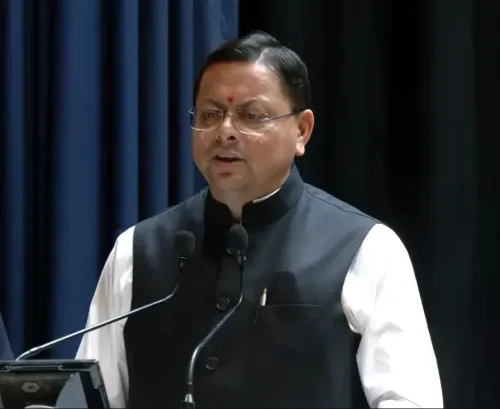
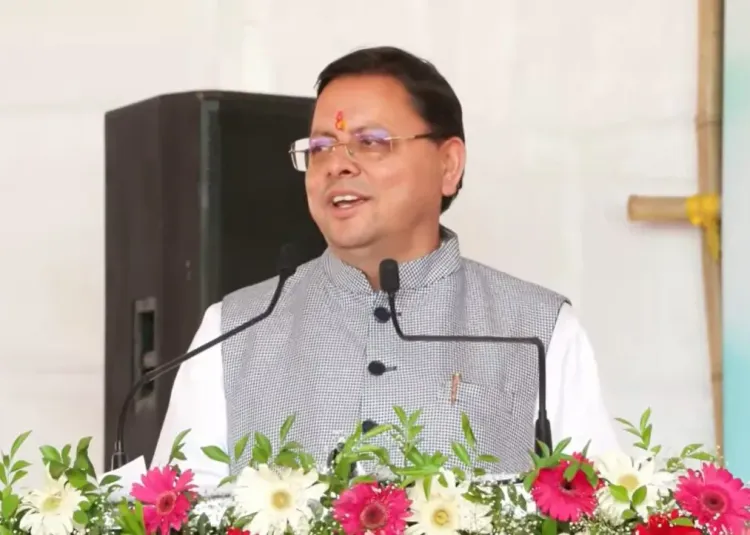
Uttarakhand Chief Minister Pushkar Singh Dhami has announced that canal irrigation will be made completely free for farmers, and that Rs 200 crore has been allocated in the state budget to increase agricultural incomes, in a significant farm-welfare push by the BJP-led government.
Key Takeaways
The Uttarakhand government has made canal irrigation completely free for farmers, eliminating a recurring input cost.
Chief Minister Pushkar Singh Dhami announced a Rs 200 crore budget provision specifically aimed at raising farmer incomes.
Key beneficiary districts include Haridwar , Udham Singh Nagar , and Nainital , where canal-fed agriculture is most prevalent.
The move builds on the state's Organic Uttarakhand (2018) policy lineage of reducing input costs for small farmers.
Formal government orders detailing the waiver's operational scope and the Rs 200 crore fund's distribution are awaited.
The Chief Minister's Office of Uttarakhand announced on Saturday, 6 June 2026 that the state government has made canal irrigation completely free for farmers and has earmarked Rs 200 crore in the budget to boost agricultural incomes, citing a statement from Chief Minister Pushkar Singh Dhami.
Context
Quoting Chief Minister Pushkar Singh Dhami, the official post stated: 'Hamari sarkar ne kisanon ke hit mein bada faisla lete hue nahalon se sinchai ko poori tarah muft kar diya hai' ('Our government has taken a major decision in the interest of farmers by making canal irrigation completely free'). Alongside this, the post noted that Rs 200 crore has been provisioned in the budget to increase farmer incomes. The announcement positions the move as a direct welfare measure for the state's agrarian communities.
Policy Backdrop
Canal irrigation is a lifeline for agricultural districts in Uttarakhand's plains belt, particularly Haridwar, Udham Singh Nagar, and Nainital, where farmers depend on an extensive network of canals fed by Himalayan rivers. The state had previously launched the Organic Uttarakhand initiative in 2018, which included expanded irrigation support and subsidies for small and marginal farmers, signalling a continued policy thrust toward reducing input costs in agriculture. Waiving canal-water charges eliminates a recurring financial burden that had long been cited by farming communities as a barrier to expanding cultivated area.
Across India, state governments have periodically waived or subsidised canal-water charges and agricultural power tariffs as part of budget-season policy packages aimed at aligning with the national objective of doubling farmer incomes. Such measures have been a recurring feature in several BJP-governed states, where farm-welfare announcements often accompany pre-monsoon legislative sessions or budget presentations.
Stakeholders and Impact
The primary beneficiaries are the farming households of Uttarakhand, particularly smallholders in the Terai and foothills districts who rely on state-managed canal networks for kharif and rabi crop cycles. By removing the cost of canal water, the government aims to directly reduce per-acre cultivation costs, potentially improving net margins for growers of paddy, wheat, sugarcane, and horticultural produce. The dedicated Rs 200 crore budget allocation signals an intent to channel additional resources toward income-enhancement programmes, though the precise breakdown of this fund across schemes is yet to be detailed in official budget documents.
Agricultural labourers and tenant farmers who cultivate leased land stand to benefit as well, since lower input costs can translate into more favourable sharecropping terms. Local farmer unions and cooperatives are expected to be key intermediaries in communicating the scheme's operational details to beneficiaries at the village level.
What's Next
The government is expected to publish a formal order outlining the operational modalities of zero canal-water charges, including the applicable canal network, the billing cycle from which the waiver takes effect, and the administrative mechanism for enforcement. Scrutiny will also fall on the line-item allocation of the Rs 200 crore within the state budget to verify how the funds will be distributed across specific income-enhancement programmes. Agricultural economists and farmer-body representatives are likely to seek clarity on whether the waiver covers all categories of canal users or is restricted to small and marginal landholders. The announcements set a benchmark against which CM Dhami's government will be measured in the run-up to future electoral cycles in the state.
Point of View
Translating budget rhetoric into a tangible reduction of input costs. Coming ahead of the kharif season, the timing is politically astute, reinforcing the BJP's farmer-outreach narrative in a state where Terai agriculture is electorally significant. The Rs 200 crore earmark, however, will face scrutiny over whether it represents fresh spending or a repackaging of existing schemes, a pattern common in state-level agricultural budgets. If the waiver is operationalised efficiently, it could serve as a model for other hill states grappling with the twin challenges of agrarian distress and out-migration from rural areas.
NationPress
20 Sept 2026
Frequently Asked Questions
Has Uttarakhand made canal irrigation free for farmers?
Yes. Chief Minister Pushkar Singh Dhami announced on 6 June 2026 that the Uttarakhand government has made canal irrigation completely free for farmers, removing all charges on canal water used for agriculture.
How much money has Uttarakhand allocated for farmer income in the budget?
The Uttarakhand government has provisioned Rs 200 crore in its budget specifically to increase farmer incomes, as announced by CM Pushkar Singh Dhami.
Which districts in Uttarakhand benefit most from canal irrigation?
The plains districts of Haridwar, Udham Singh Nagar, and Nainital are the primary beneficiaries, as they have the most extensive canal-fed agricultural land in the state.
What is the Organic Uttarakhand initiative?
Launched in 2018, Organic Uttarakhand is a state government programme that included expanded irrigation support and subsidies for small farmers, forming part of the policy lineage behind the current canal-water waiver.
When will the formal order on free canal irrigation be issued?
The government has not yet announced a specific date. Analysts expect a formal order detailing the waiver's operational scope, applicable canal networks, and effective billing cycle to be published in the coming weeks.