CM Uttarakhand: Mass Yoga Event at Rishikesh Parmarth Niketan
Synopsis
The Uttarakhand Chief Minister's Office announced a grand yoga event at Parmarth Niketan in Rishikesh under the 'Gangotri se Gangasagar' campaign, held on 20 June 2026 ahead of International Yoga Day, reinforcing the state's identity as India's wellness and spiritual tourism hub.
Key Takeaways
A large yoga programme was held at Parmarth Niketan, Rishikesh on 20 June 2026 , organised under the Gangotri se Gangasagar campaign.
The campaign traces the Ganga from its source at Gangotri, Uttarakhand to Gangasagar, West Bengal , integrating cultural and spiritual activities.
Rishikesh is globally recognised as the yoga capital of the world and hosts multiple ashrams including the prominent Parmarth Niketan .
International Yoga Day falls on 21 June , established by a UN General Assembly resolution in 2014 on India's proposal.
The event aligns with Uttarakhand 's broader policy of promoting wellness and spiritual tourism along the Ganga corridor.
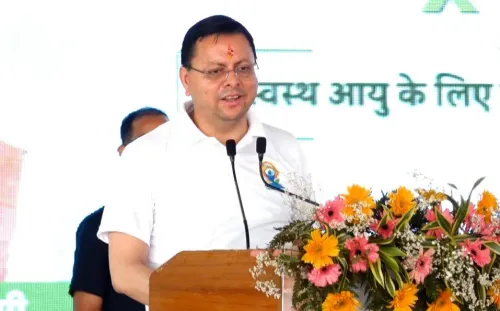
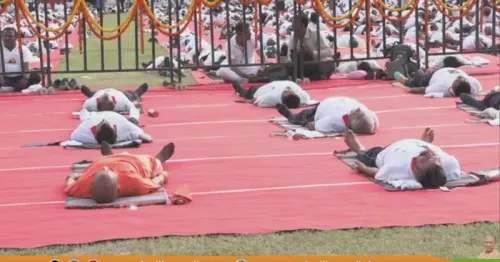
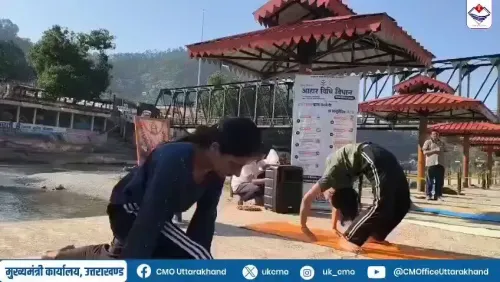
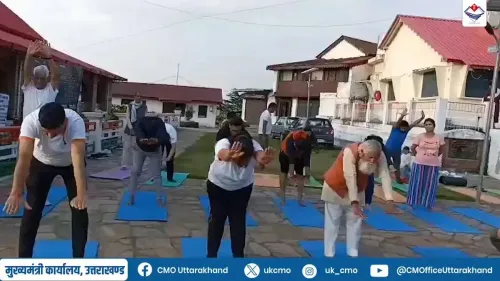
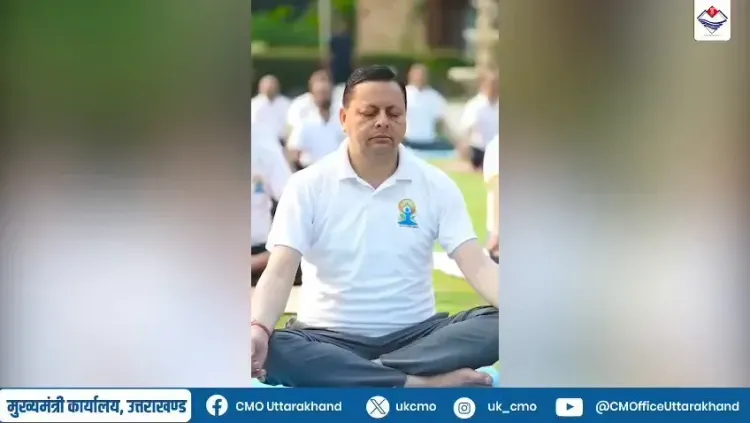
The Chief Minister's Office of Uttarakhand announced on Saturday, 20 June 2026 that a large-scale yoga programme was held at Parmarth Niketan in Rishikesh under the 'Gangotri se Gangasagar' ('From Gangotri to Gangasagar') campaign, marking the run-up to International Yoga Day on 21 June.
Context
The event took place at Parmarth Niketan, one of the most prominent ashrams on the banks of the Ganga in Rishikesh — a city globally recognised as the yoga capital of the world. The 'Gangotri se Gangasagar' campaign traces the course of the Ganges from its Himalayan source at Gangotri in Uttarakhand to its mouth at Gangasagar in West Bengal, weaving together cultural, spiritual and river-related activities along the way.
The programme was described by the CMO as a 'vishaal yoga karyakram' — a grand yoga event — held in Rishikesh, which the state government routinely refers to as 'Yoga Nagri' (Yoga City). Parmarth Niketan has historically hosted large gatherings for yoga, meditation and the famous Ganga aarti, drawing thousands of domestic and international visitors each year.
Policy Backdrop
The United Nations General Assembly declared 21 June as the International Day of Yoga in 2014, following a resolution moved by India. Since then, successive Indian governments have used the annual observance to project yoga as a pillar of cultural soft power and public health outreach, with states like Uttarakhand anchoring flagship events along the Ganga corridor.
The broader Gangotri se Gangasagar campaign sits alongside the Namami Gange programme, launched by the Government of India in 2014 to rejuvenate the river, which has since incorporated cultural and spiritual outreach activities spanning the full length of the Ganges basin. Linking river conservation messaging with mass yoga events reflects a deliberate policy of combining religious heritage, environmental awareness and wellness tourism promotion.
Stakeholders and Impact
Rishikesh and its ashram ecosystem — including Parmarth Niketan — stand to benefit directly from the visibility generated by state-backed events of this scale. Yoga practitioners, spiritual tourists and international visitors are the primary audience, and events on the eve of International Yoga Day typically draw significant footfall to the town's hotels, ashrams and riverside venues.
Uttarakhand has consistently positioned itself as a centre for wellness and spiritual tourism, and government-organised mass yoga programmes reinforce that brand nationally and globally. The campaign's geographic sweep — from the Himalayas to the Bay of Bengal — also signals an ambition to extend the state's cultural influence beyond its own borders through the shared identity of the Ganga.
What's Next
The main International Yoga Day events on 21 June 2026 are expected to draw the largest participation figures, with Rishikesh likely to remain a focal venue. Observers will watch whether the Gangotri se Gangasagar campaign expands its footprint to other Ganges-basin states in the coming months, potentially pulling in more state governments and central ministries into a coordinated cultural corridor initiative.
Point of View
Giving local events national and even international resonance. By anchoring the programme at Parmarth Niketan, a venue already embedded in global yoga tourism circuits, the administration maximises organic amplification without heavy expenditure. This fits a well-established pattern in which hill states leverage federal cultural calendars to drive footfall and tourism revenue. The campaign's geographic ambition — spanning two states and the full length of the Ganga — also hints at a possible push for multi-state coordination that could draw central government backing under the Namami Gange umbrella.
NationPress
18 Sept 2026
Frequently Asked Questions
What is the Gangotri se Gangasagar campaign?
The 'Gangotri se Gangasagar' campaign traces the course of the Ganga from its Himalayan source at Gangotri in Uttarakhand to its mouth at Gangasagar in West Bengal, integrating cultural, spiritual and river-related activities along the way.
Where was the yoga event held on 20 June 2026?
The mass yoga programme was held at Parmarth Niketan ashram in Rishikesh, Uttarakhand, as part of the Gangotri se Gangasagar campaign.
Why is Rishikesh called the yoga capital of the world?
Rishikesh is home to hundreds of ashrams, yoga schools and spiritual centres on the banks of the Ganga, and has hosted international yoga festivals for decades, earning it global recognition as the yoga capital of the world.
When is International Yoga Day celebrated?
International Yoga Day is celebrated every year on 21 June. The date was declared by the United Nations General Assembly in 2014 following a resolution proposed by India.
What is Parmarth Niketan in Rishikesh?
Parmarth Niketan is one of the largest and most well-known ashrams in Rishikesh, famous for hosting mass yoga and meditation sessions, the evening Ganga aarti and international spiritual gatherings attended by thousands of visitors annually.