West Bengal STF probes Jaish module's honey-trap plot against ministers' sons
Synopsis
The West Bengal STF has uncovered a Jaish-e-Mohammed module allegedly directed by Pakistan's ISI to do far more than plant bombs — it was tasked with honey-trapping ministers' sons, running kidnap-for-ransom operations, and recruiting women influencers for espionage. The case signals a calculated ISI pivot from high-risk terror attacks to lower-profile, harder-to-trace hybrid operations.
Key Takeaways
The West Bengal STF has busted a Jaish-e-Mohammed -linked module allegedly directed by Pakistan's ISI .
The module was reportedly tasked with honey-trapping sons of ministers in West Bengal and other states using recruited women operatives.
Plans to abduct ministers' sons and demand ransom through an extortion racket were also uncovered by investigators.
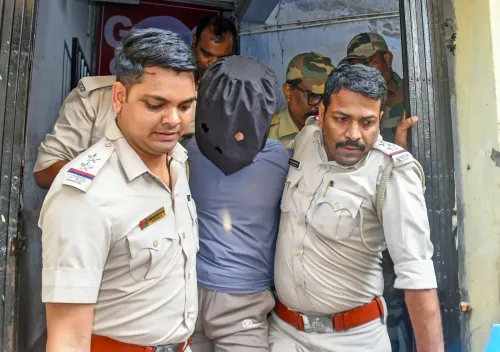
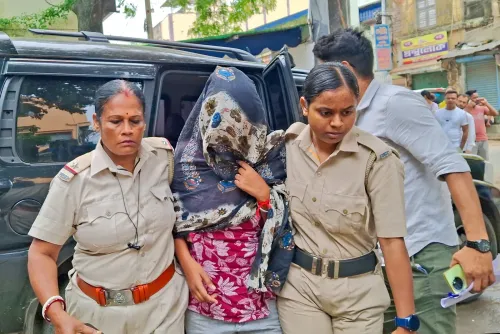
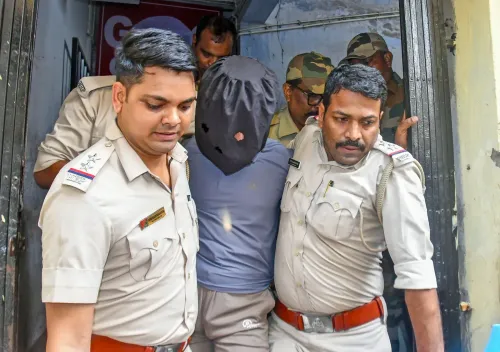
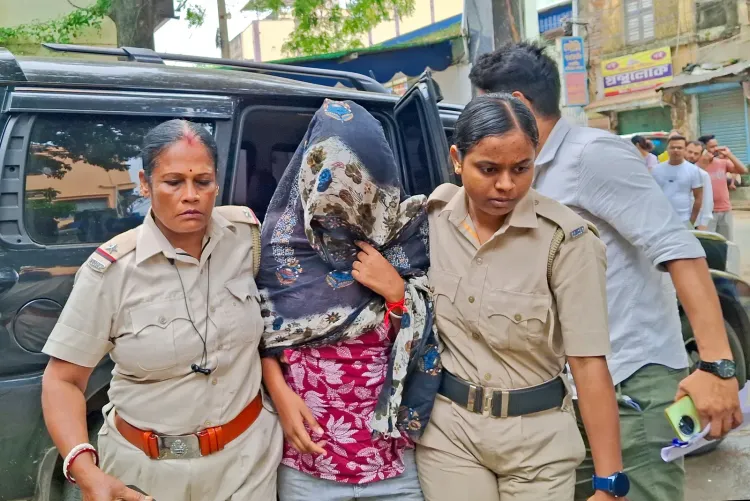
Alleged influencer Arpita Sarkar , 22 , from Jharkhand , and module key accused Hamim Mondal of West Bengal have been arrested.
The module was also allegedly planning to incite violence at Jantar Mantar, New Delhi and procuring police uniforms for infiltration.
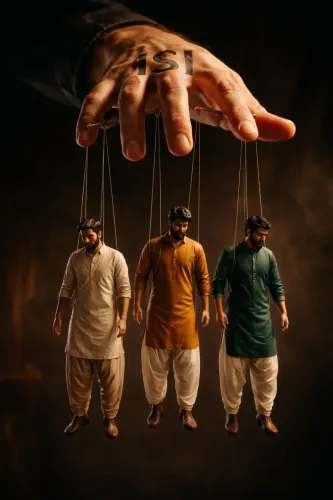
Officials say the module represents a deliberate ISI shift from bomb attacks to disinformation, espionage, honey-traps, and extortion — a lower-risk hybrid model.
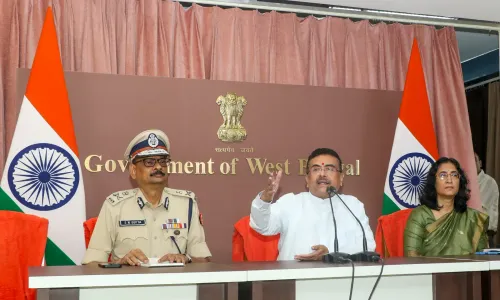
The West Bengal Special Task Force (STF) is probing a Jaish-e-Mohammed-linked module — recently dismantled by the agency — that was allegedly tasked by Pakistan's Inter-Services Intelligence (ISI) with recruiting women to run honey-trap operations targeting the sons of ministers across West Bengal and other states. Investigators say the module was designed as a multi-purpose network with objectives far beyond conventional terror strikes.
Scope of the Alleged Plot
According to officials, the module had been assigned at least three distinct objectives by its ISI handlers: targeting the Chief Minister of West Bengal, expanding an influencer-based disinformation network, and recruiting women operatives for honey-trap assignments. 'Setting honey traps was one of the main intentions of this module,' an official said.
Investigators have further established that the module was allegedly scouting for young women who would be promised 'hefty payments' in exchange for targeting specific individuals — identified as sons of sitting ministers. Once recruited, these women were reportedly directed to set traps on designated targets.
Abduction and Extortion Plans Uncovered
Beyond honey-trapping, the STF probe has uncovered what investigators describe as plans to abduct the sons of ministers and demand large ransoms through an organised extortion racket. Officials have not yet publicly disclosed the identities of the intended targets, citing the ongoing investigation.
The module was also allegedly exploring ways to incite violence at Jantar Mantar in New Delhi. Members were reportedly in the process of procuring police uniforms to infiltrate influential circles and extract sensitive information, officials said.
A Shift in ISI Tactics, Officials Say
An Intelligence Bureau official described the operational model as a deliberate strategic shift away from traditional bomb-and-blast modules. Earlier ISI-backed networks, according to investigators, were focused narrowly on procuring materials, assembling explosives, and striking high-value locations. The newer modules — reportedly created by influencer-turned-ISI operative Shehzad Bhatti — have moved away from that model entirely.
'These modules are more into running disinformation campaigns, espionage, setting honey traps, abductions, extortion and targeted strikes,' the official said. Officials noted that this approach carries lower operational risk for the ISI: 'A bomb blast requires expertise, logistical support, among others. Such an activity also tends to leave a major trail, which makes it relatively easier for the agencies to track. This is something that the ISI wants to avoid at any cost,' an official explained.
Key Arrests: Arpita Sarkar and Hamim Mondal
The West Bengal STF has arrested alleged influencer Arpita Sarkar, a 22-year-old woman from Jharkhand, in connection with the module. Investigators are examining her alleged links with the module's key accused, Hamim Mondal of West Bengal. Her digital records are under scrutiny, and authorities are probing the purpose behind her frequent travel between Jharkhand and Kolkata.
This comes amid a broader pattern identified by agencies following Operation Sindoor, during which noted influencer Jyoti Malhotra was arrested. She was accused of creating pro-Pakistan content and allegedly attempting to gather and relay sensitive information to Pakistani officials through its embassy in New Delhi.
What Comes Next
The STF investigation is ongoing, with officials indicating that the full network — including handlers, recruiters, and intended targets — has not yet been fully mapped. The Intelligence Bureau has flagged the evolving module structure as 'highly disturbing,' and central agencies are reportedly coordinating with state counterparts to assess exposure in other states as well.
Point of View
This case confirms the pattern is being replicated with greater operational depth: honey-traps, abduction plans, uniform procurement, and Jantar Mantar incitement all within one module. What is striking is the targeting logic — ministers' sons are softer, less-protected targets than ministers themselves, suggesting ISI handlers are stress-testing Indian security's blind spots. Indian agencies have so far been reactive; the question is whether inter-state coordination is fast enough to neutralise networks that deliberately straddle state jurisdictions, as this one did between Jharkhand and West Bengal.
NationPress
4 Aug 2026
Frequently Asked Questions
What is the Jaish-e-Mohammed honey-trap module busted by the West Bengal STF?
It is a multi-purpose network allegedly set up on ISI directions, with objectives including honey-trapping sons of ministers, running abduction-and-ransom operations, spreading disinformation, and recruiting women influencers for espionage. The West Bengal Special Task Force recently dismantled the module and made key arrests.
Who has been arrested in connection with the West Bengal STF case?
Among those arrested is alleged influencer Arpita Sarkar, a 22-year-old from Jharkhand, and Hamim Mondal of West Bengal, described as a key accused in the module. Investigators are examining Sarkar's digital records and her frequent travel between Jharkhand and Kolkata.
What were the module's alleged targets?
According to investigators, the module was tasked with targeting the Chief Minister of West Bengal, honey-trapping sons of ministers across multiple states, and potentially abducting those targets for ransom. The module also allegedly planned to incite violence at Jantar Mantar in New Delhi.
How does this module differ from earlier ISI-backed terror networks?
Earlier modules focused on procuring explosives and carrying out bomb attacks or fedayeen strikes. The newer modules, reportedly created by influencer-turned-ISI operative Shehzad Bhatti, prioritise disinformation, espionage, honey-traps, abductions, and extortion — activities that leave a smaller operational trail and are harder for agencies to detect.
What is the connection to the Jyoti Malhotra case?
Post Operation Sindoor, agencies arrested influencer Jyoti Malhotra, who was accused of creating pro-Pakistan content and allegedly relaying sensitive information to Pakistani officials via their New Delhi embassy. The West Bengal STF says the Arpita Sarkar arrest follows a similar pattern of recruiting women influencers for ISI-linked espionage.