Unveiling ISI's Strategies: Lashkar Module's Delhi and Bengal Attack Plans Ahead of Elections

Synopsis
The recent dismantling of a Lashkar-e-Tayiba module reveals alarming insights into ISI's strategies for orchestrating attacks in India. This report uncovers the intricate links and future threats posed by these operations, especially around the upcoming elections.
Key Takeaways
Lashkar-e-Tayiba module planned attacks in Delhi and West Bengal .
The module was managed by Shabbir Ahmed Lone , linked to the ISI.
Focus was on propaganda and testing security responses.
Groups like HuJI and JMB are involved in operations.
Threat levels are expected to increase around the upcoming elections.
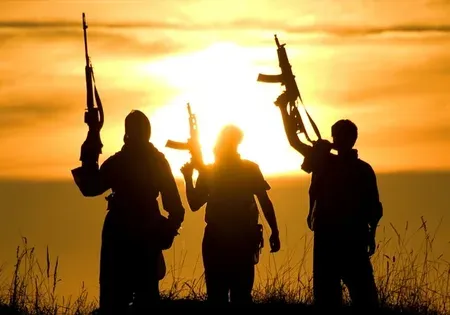
New Delhi, Feb 23 (NationPress) The dismantling of a module linked to Lashkar-e-Tayiba, which had intentions to execute strikes in Delhi and nearby regions, has unveiled critical insights into the ISI's strategies for future operations within the country.
This module was dismantled after the apprehension of eight individuals from Tamil Nadu and West Bengal, and it was being managed from various locations to obscure its connections to Pakistan.
Investigators have indicated that, similar to the Faridabad module, this one also had ties to Jammu and Kashmir.
Shabbir Ahmed Lone, a resident of Ganderbal in Kashmir, was dispatched to Bangladesh by the ISI to oversee this module. The ISI had been nurturing Lone since 2019, the year he was released from prison. He had been incarcerated in 2007 following the discovery of AK-47s and grenades in his possession. Upon his release in 2019, he was immediately sent to Bangladesh.
In the Faridabad module investigation, it was revealed that an Imam was directing the members of the group, receiving instructions from a handler affiliated with Jaish-e-Mohammad based in Afghanistan.
An official from the Intelligence Bureau reported that the module had conducted several dry runs, testing their capabilities while challenging Indian security forces. They prioritized propaganda over actual attacks.
In their initial phase, they concentrated on distributing posters across various regions of the country, specifically addressing the Kashmir issue. Similar posters were discovered in Delhi and West Bengal, with significant sightings in Kolkata metro stations on February 10.
The investigation has unveiled that this module was plotting a substantial attack in Delhi and its neighboring areas. However, additional findings suggest that the focus was also prominently on Kolkata. With elections approaching, the module aimed to strike at temples and other crowded locations such as bus terminals and metro stations.
The ISI is strategizing a significant assault in West Bengal to disrupt the electoral process. Moreover, the Pakistani intelligence agency has established multiple modules along the India-Bangladesh border.
With the Jamaat-e-Islami achieving considerable victories in constituencies adjacent to West Bengal, the ISI believes executing operations in these areas will be relatively straightforward.
Organizations such as Harkat-ul-Jihad-Islami (HuJI) and Jamaat-ul-Mujahideen Bangladesh (JMB) have been enlisted for this operation, according to officials.
These groups have already begun funneling large numbers of illegal immigrants into these border regions and have been sheltering them in madrasas. The objective is to infiltrate them into India approximately one month before the West Bengal elections to instigate demographic shifts, potentially leading to communal conflicts.
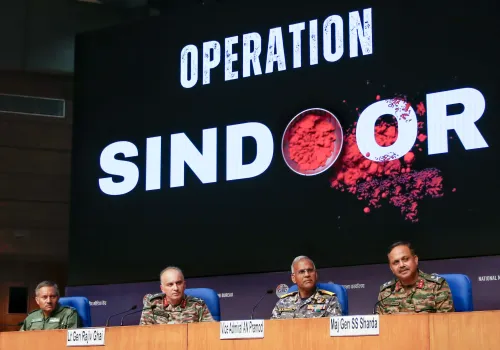
Under the direction of Muhammad Yunus, the caretaker of the interim government, the ISI transformed Bangladesh into its operational base. Following 'Operation Sindoor,' the ISI required another launch pad for executing attacks against India, and Bangladesh emerged as that solution.
The recent dismantling of this module clearly illustrates that the ISI intends to orchestrate operations from Bangladesh, intentionally obscuring the trail back to Islamabad, as stated by officials.
Counter-terrorism experts emphasize that the focus will increasingly shift to operations originating from Bangladesh, with border areas becoming major points of concern as the ISI continues to exploit the Jamaat's influence in these regions to maintain tensions along the Indian border.
Experts predict that future attacks in India will be coordinated from these border zones in Bangladesh.
Point of View
The recent revelations about ISI's operations underscore the importance of vigilance and preparedness. The focus on upcoming elections highlights a strategic intent to disrupt stability in India, necessitating a robust response from security agencies to safeguard citizens.
NationPress
1 Oct 2026
Frequently Asked Questions
What was the purpose of the Lashkar-e-Tayiba module?
The module aimed to execute strikes in Delhi and West Bengal, particularly focusing on disrupting the upcoming elections.
Who was leading the module in Bangladesh?
Shabbir Ahmed Lone, a resident of Ganderbal, Kashmir, was sent by the ISI to manage the module.
How did the module plan to operate without detection?
The module was managed from multiple locations to obscure its connections to Pakistan and minimize detection by Indian security forces.
What groups are involved in this operation?
The ISI has enlisted groups such as Harkat-ul-Jihad-Islami (HuJI) and Jamaat-ul-Mujahideen Bangladesh (JMB) for these operations.
What were the initial actions taken by the module?
Initially, the module conducted propaganda through posters related to the Kashmir issue, testing the waters for more significant operations.