Vaigai Dam level rises to 34 feet, easing water crisis in 5 Tamil Nadu districts
Synopsis
Vaigai Dam has climbed from a near-crisis 20 feet to 34 feet — not because the monsoon recovered, but because Mullaperiyar catchment rains triggered a 300-cusec release into the reservoir. Five southern Tamil Nadu districts now have two months of drinking water secured, but farmers in Madurai and Dindigul are still waiting on an irrigation call that depends entirely on what the monsoon does next.
Key Takeaways
Vaigai Dam water level has risen to 34 feet as of 12 July , up from a low of 20 feet last month.
The recovery was driven by a 300 cusecs release from Mullaperiyar Dam after its catchment received moderate rainfall.
PWD officials confirmed drinking water supply is secured for the next two months across five districts : Theni, Dindigul, Madurai, Sivaganga, and Ramanathapuram.
Irrigation releases — normally made in June — remain suspended until storage levels improve further.
The southwest monsoon has remained below expectations over southern Tamil Nadu, keeping the longer-term outlook uncertain.
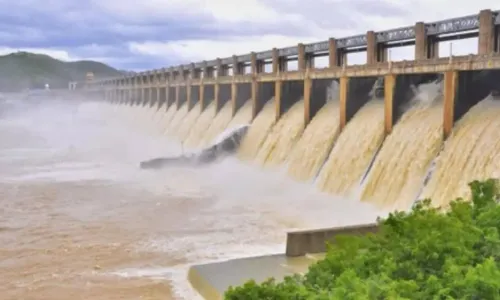
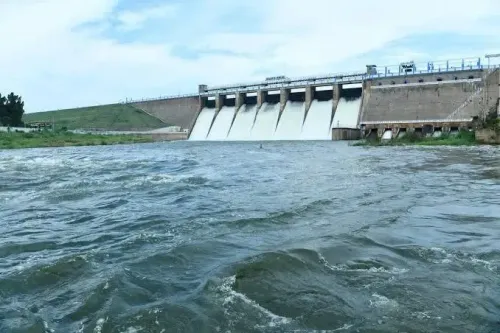
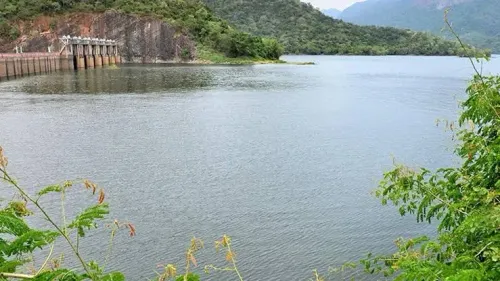
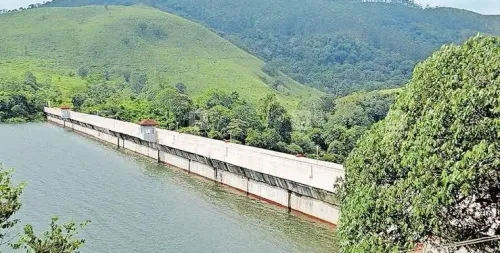
The water level in Vaigai Dam, the primary drinking water and irrigation source for five districts in southern Tamil Nadu, has recovered to 34 feet as of 12 July, offering significant relief after a weak southwest monsoon had pushed storage to a critical low of 20 feet last month. Public Works Department (PWD) officials confirmed that the current storage is adequate to sustain uninterrupted drinking water supply to all dependent regions for at least the next two months.
Background: A Dam Under Pressure
Vaigai Dam, a 71-foot-high reservoir located near Andipatti in Theni district, serves as the lifeline for Theni, Dindigul, Madurai, Sivaganga, and Ramanathapuram districts. When the southwest monsoon, which typically sets in during June, delivered below-normal rainfall this year, inflows into the reservoir dropped sharply — sending storage levels to just 20 feet and triggering fears of a severe drinking water crisis across the region.
How the Recovery Happened
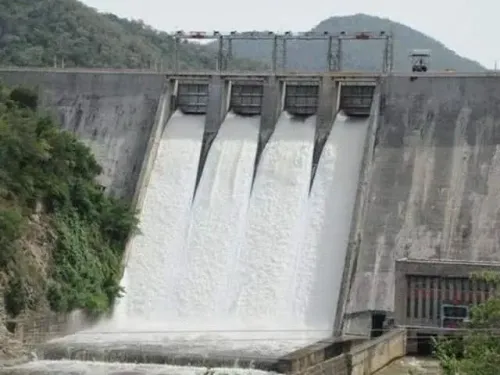
The turnaround came not from direct monsoon rains over the Vaigai catchment, but from moderate rainfall received by the catchment areas of Mullaperiyar Dam. As inflows into Mullaperiyar increased, authorities released 300 cubic feet per second (cusecs) of water into the Vaigai Dam, gradually replenishing its storage. The reservoir has since climbed 14 feet from its recent low — a recovery that PWD officials describe as substantial given the continued weak monsoon over much of the southern region.
Drinking Water Supply Secured — Irrigation Still on Hold
While the immediate threat of drinking water scarcity has been removed, officials cautioned that the dam has not yet reached levels that would permit routine irrigation releases. Under normal circumstances, water is discharged from Vaigai Dam every June to support the first irrigation season in parts of Madurai and Dindigul districts. This year, that release is unlikely unless storage improves further. Officials said the decision will hinge on rainfall patterns over the coming days — if catchment areas receive widespread rain and inflows rise substantially, the government may consider opening the dam for irrigation. Until then, drinking water security for the five districts remains the overriding priority.
What Officials Said
PWD officials confirmed that the rise in reservoir level has effectively neutralised the immediate drinking water threat. They added, however, that the situation remains contingent on monsoon behaviour in the weeks ahead. The continued underperformance of the southwest monsoon over southern Tamil Nadu means the recovery, while welcome, is not yet a cause for complacency.
Outlook
With storage sufficient for two months of drinking water supply, the immediate crisis has been averted — but the agricultural calendar for Madurai and Dindigul farmers hangs in the balance. If the monsoon strengthens over Mullaperiyar and Vaigai catchments in the coming weeks, irrigation could resume; if it does not, the current season's crop prospects face mounting uncertainty.
Point of View
But it exposes a structural vulnerability: southern Tamil Nadu's water security is effectively contingent on rainfall in Kerala's Mullaperiyar catchment, not its own monsoon. That dependence has deepened as the southwest monsoon grows increasingly erratic over the peninsula. The two-month drinking water buffer is real, but the irrigation gap signals a harder conversation ahead — one about crop choices, reservoir management, and whether the current season's agricultural calendar is viable at all if the monsoon does not strengthen soon.
NationPress
12 Jul 2026
Frequently Asked Questions
What is the current water level in Vaigai Dam?
As of 12 July, the water level in Vaigai Dam stands at 34 feet, recovering from a recent low of 20 feet last month. PWD officials say this is sufficient to ensure uninterrupted drinking water supply for the next two months.
Which districts depend on Vaigai Dam for drinking water?
Vaigai Dam supplies drinking water and irrigation to five southern Tamil Nadu districts: Theni, Dindigul, Madurai, Sivaganga, and Ramanathapuram. The 71-foot-high dam is located near Andipatti in Theni district.
Why did the Vaigai Dam water level drop so sharply?
The southwest monsoon, which typically arrives in June, remained below expectations this year, leading to poor inflows into the Vaigai reservoir. Storage fell to just 20 feet, raising fears of a severe drinking water crisis across the five dependent districts.
How did the water level recover if the monsoon was weak?
The recovery came from Mullaperiyar Dam's catchment areas receiving moderate rainfall. Authorities subsequently released 300 cusecs of water from Mullaperiyar into Vaigai Dam, gradually replenishing its storage despite the continued weak monsoon over southern Tamil Nadu.
Will water be released from Vaigai Dam for irrigation this season?
Not immediately. Officials said irrigation releases — normally made in June — are unlikely unless storage levels improve further. The decision will depend on rainfall over the coming days; if catchment areas receive widespread rain, the government may consider opening the dam for irrigation.